

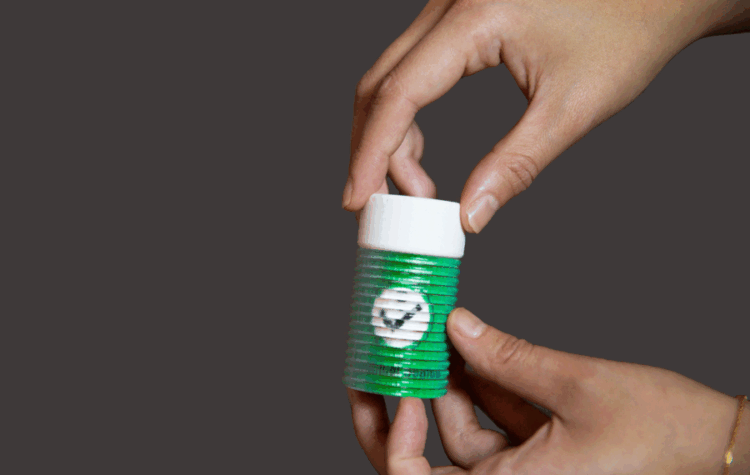
The “ShiftLens” design and fabrication system creates objects that change their surface appearance based on user interactions, without any electronics.
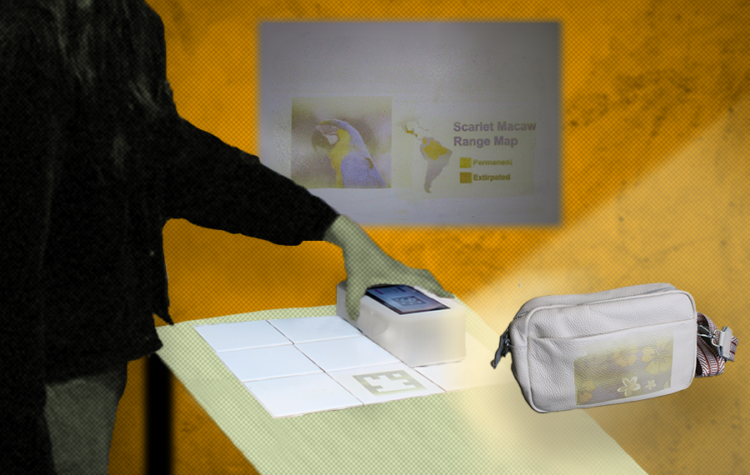
The portable “ChromoLCD” device combines LCD and LED lighting to customize high-quality designs onto things like shirts and whiteboards.

“MorphoChrome,” developed at MIT, pairs software with a handheld device to make everyday objects iridescent.

Holography’s legacy is inspiring new directions at MIT CSAIL, where the Human-Computer Interaction Engineering (HCIE) group, led by Professor Stefanie Mueller, is pioneering programmable color — a future in which light and material appearance can be dynamically controlled.

3D modeling you can feel
TactStyle, a system developed by CSAIL researchers, uses image prompts to replicate both the visual appearance and tactile properties of 3D models.
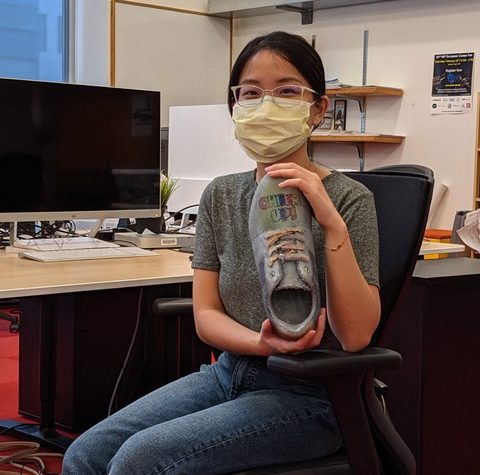
Editing tool makes fabrication process available to all.

Invisible machine-readable labels that identify and track objects
An MIT team develops 3D-printed tags to classify and store data on physical objects.