


Study finds non-experts deferred to LLM-based diagnostic assistance, even when it was wrong, while clinicians caught AI errors.
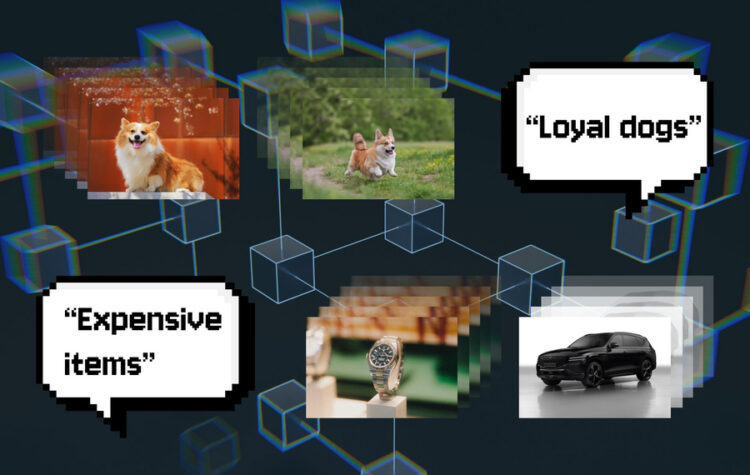
A new debiasing technique called WRING avoids creating or amplifying biases that can occur with existing debiasing approaches.

New research demonstrates how AI models can be tested to ensure they don’t cause harm by revealing anonymized patient health data.
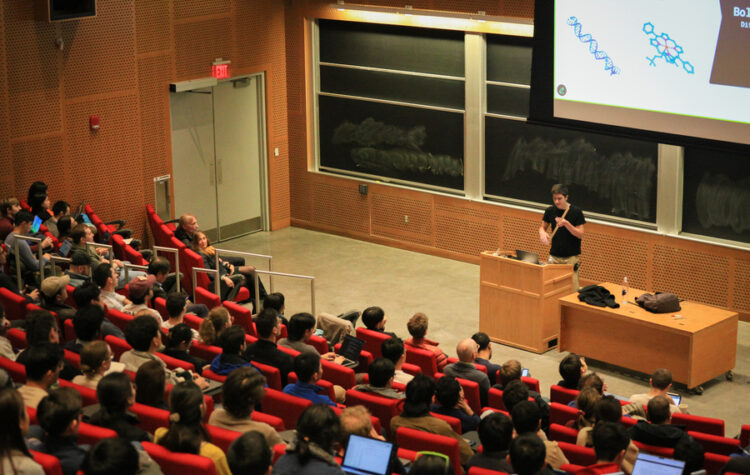
MIT scientists debut a generative AI model that could create molecules addressing hard-to-treat diseases
BoltzGen generates protein binders for any biological target from scratch, expanding AI’s reach from understanding biology toward engineering it.
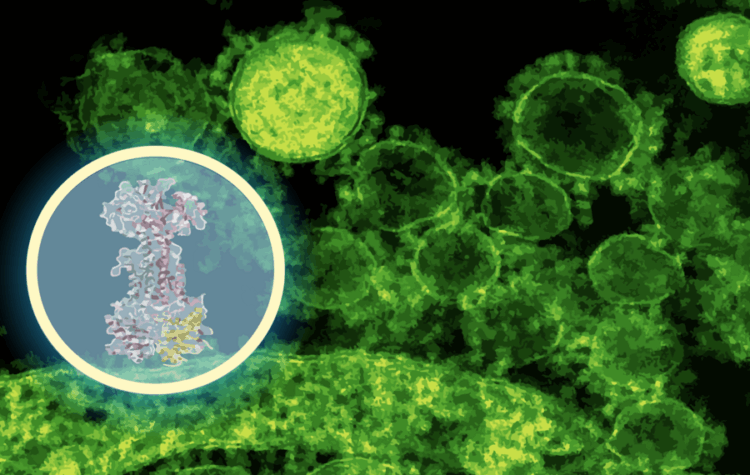
AI maps how a new antibiotic targets gut bacteria
MIT CSAIL and McMaster researchers used a generative AI model to reveal how a narrow-spectrum antibiotic attacks disease-causing bacteria, speeding up a process that normally takes years.

Anantha Chandrakasan named MIT provost
A faculty member since 1994, Chandrakasan has also served as dean of engineering and MIT’s inaugural chief innovation and strategy officer, among other roles.
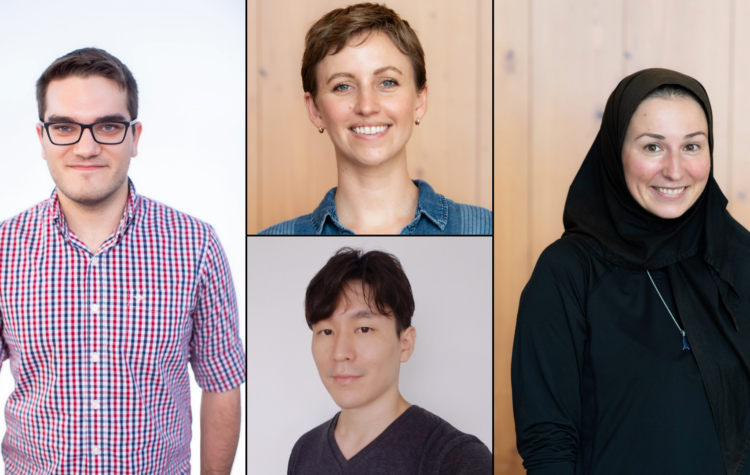
Beery, Farina, Ghassemi, Kim named AI2050 Early Career Fellows
The new crop of AI2050 Early Career Fellows was announced Dec. 10th.
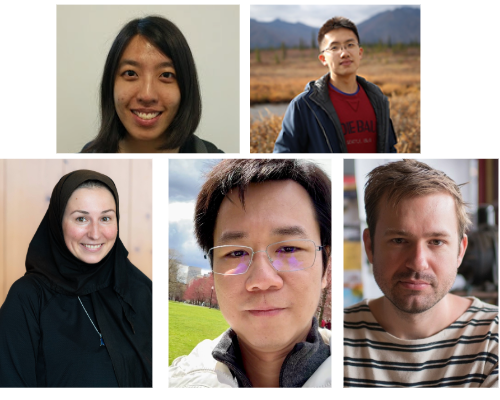
The career development chair recipients are Cheng-Zhi Anna Huang, Kuikui Liu, Marzyeh Ghassemi, Kaiming He, and Alexander Rives.

MIT-Takeda Program wraps up with 16 publications, a patent, and nearly two dozen projects completed
The program focused on AI in health care, drawing on Takeda’s R&D experience in drug development and MIT’s deep expertise in AI.
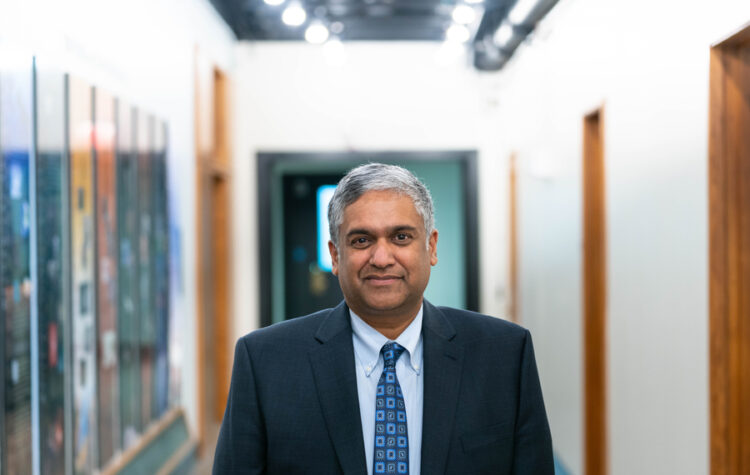
Caption:Anantha Chandrakasan, dean of the School of Engineering and the Vannevar Bush Professor of Electrical Engineering and Computer Science, has been named as MIT’s first chief innovation and strategy officer.