

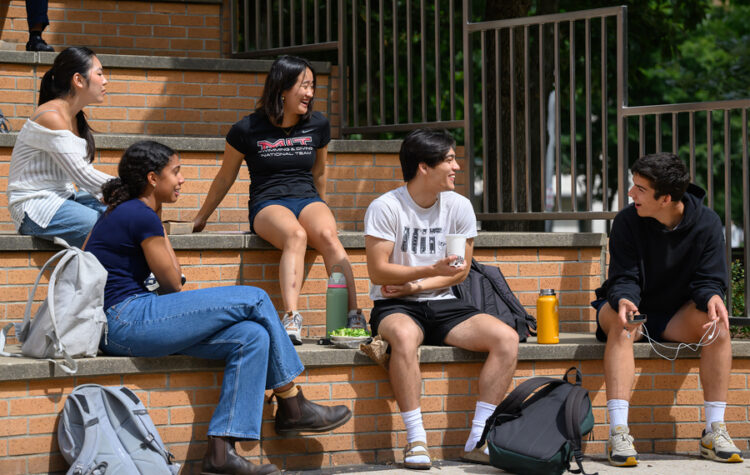
The Institute’s undergraduate engineering, computer science, and economics programs are No. 1; its business program is No. 2.
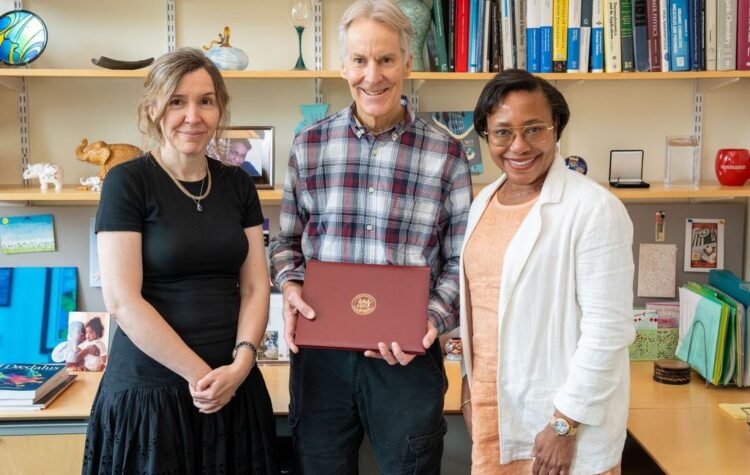
The award is given annually to faculty members who have demonstrated a lasting commitment to the personal and professional development of others.

Jas Brooks
KDD Career Development Professor in Communications and Technology, Assistant Professor, [CS]
Office: 32-312
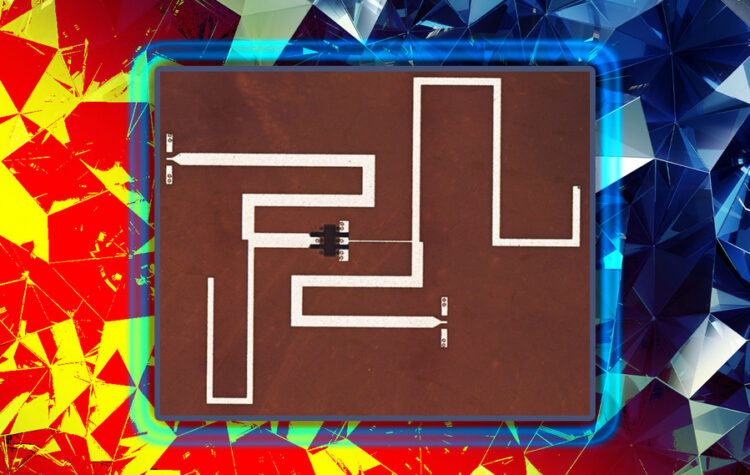
By using a thin layer of diamond to manage excessive heat, researchers can boost the speed and energy-efficiency of next-generation wireless devices.

Ultra-efficient chip design enables extremely strong cryptography algorithms to run on energy-constrained edge devices.

By enabling two chips to authenticate each other using a shared fingerprint, this technique can improve privacy and energy efficiency.

By stacking multiple active components based on new materials on the back end of a computer chip, this new approach reduces the amount of energy wasted during computation.

The flexible chip could boost the performance of current electronics and meet the more stringent efficiency requirements of future 6G technologies.
📅 Date: Tuesday, July 29, 2025🕙 Time: 1:00 PM 📍 Location: Grier Room A (34-401A) / Zoom: https://mit.zoom.us/j/93908105610 Title: Reconfigurable and Interference-Tolerant Receivers for Next Generation Wireless Systems Abstract: An “all-in-one” radio,…
Time: July 16 at 3 pm Location: Room 3-133. Supervisors: Prof. Duane Boning and Prof. Carl Thompson. Title: Techniques for Reliability and Robustness in Integrated Electronic and Photonic…