

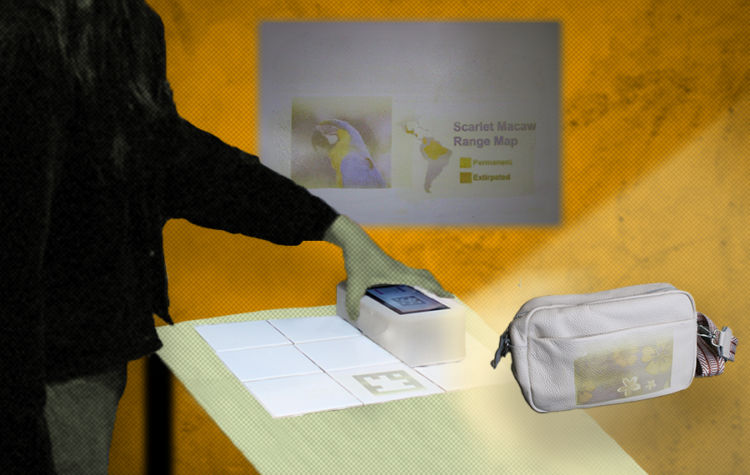
The portable “ChromoLCD” device combines LCD and LED lighting to customize high-quality designs onto things like shirts and whiteboards.
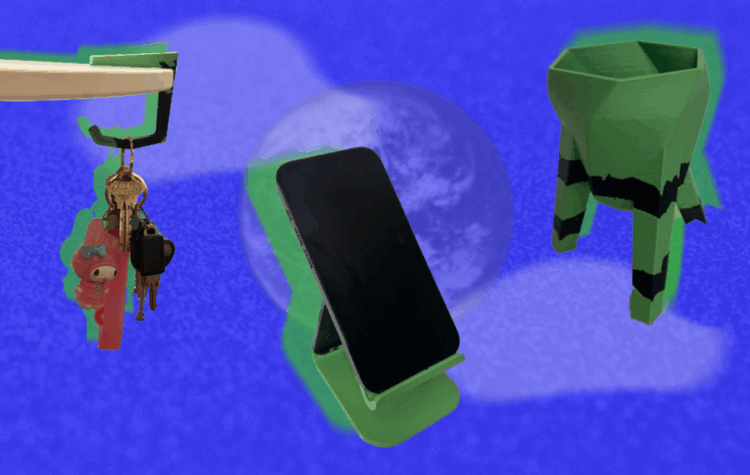
MIT CSAIL researchers developed SustainaPrint, a system that reinforces only the weakest zones of eco-friendly 3D prints, achieving strong results with less plastic.
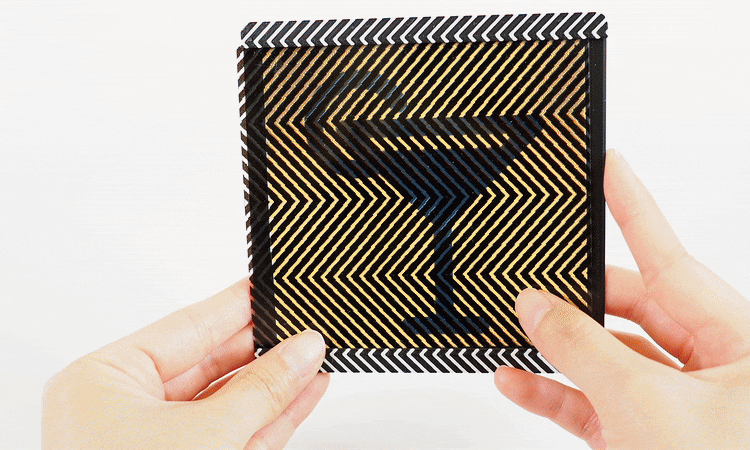
The FabObscura system helps users design and print barrier-grid animations without electronics, and can help produce dynamic household, workplace, and artistic objects.

Balancing automation and agency, Associate Professor Arvind Satyanarayan develops interactive data visualizations that amplify human creativity and cognition.

Mitchell Gordon
KDD Career Development Professor in Communications and Technology, Assistant Professor [CS]
Office: G-718
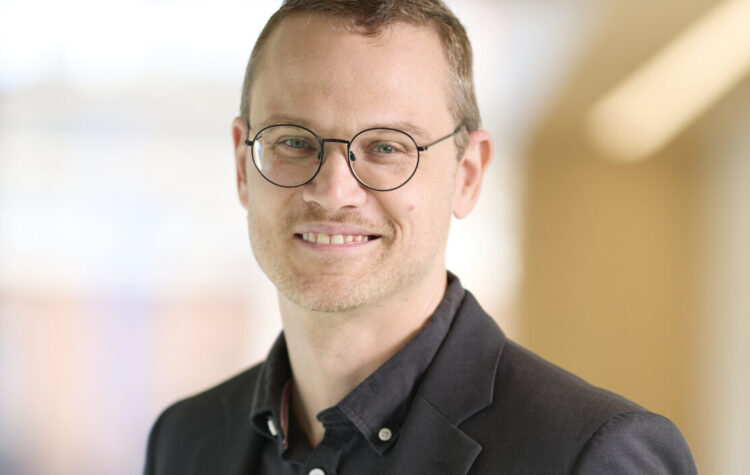
Ben Lindquist
Assistant Professor, Leo Marx Career Development Professor in the History and Culture of Science and Technology, shared appointment with Department of History, [CS]
Office: E51-288
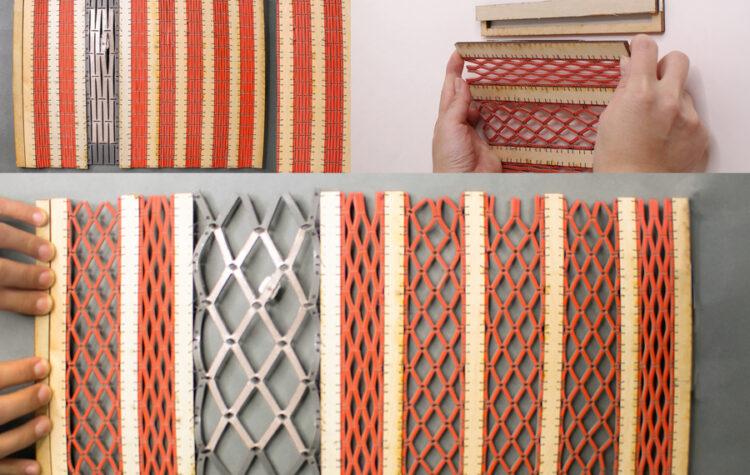
You can adjust the frequency range of this durable, inexpensive antenna by squeezing or stretching its structure.

Andrew Lo
Charles E. and Susan T. Harris Professor and the Director of the Laboratory for Financial Engineering in the Sloan School of Management; joint appointment in EECS, [CS]
(617) 253-0920
Office: E62-618
Thesis Defense: Robot Guidance ControlSpeaker: Ravi TejwaniAbstract: When human instructors guide learners through motor tasks, they naturally coordinate physical touch with verbal explanations – yet robots applying physical…

MAD Fellow Alexander Htet Kyaw connects humans, machines, and the physical world using AI and augmented reality.