


A more flexible training method can make AI text detectors more robust when new models emerge or AI-generated text is disguised to appear human.
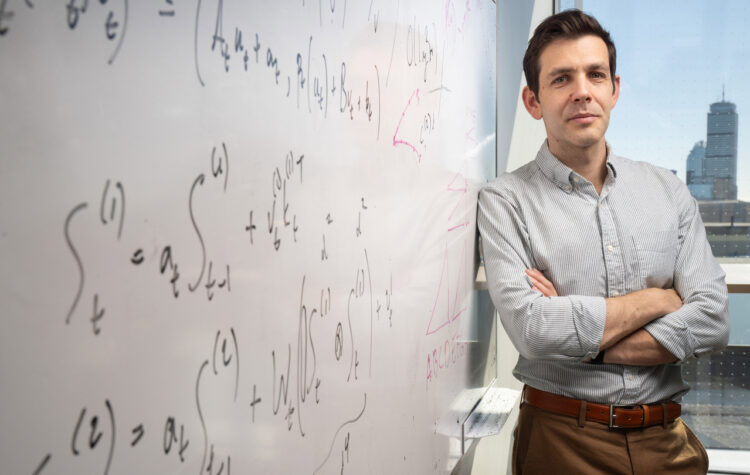
By studying the computational foundations of language learning, Associate Professor Jacob Andreas builds intelligent systems that can communicate effectively with humans.
Date: November 18th (Wednesday), 12:00-1:00pm Location: 45-600B or remotely via this Zoom link Speaker: Marija Ilić Presentation Title: Physics and ML/AI meet to manage uncertainties on the path to reliable and affordable decarbonization…

With up to $53 million from ARPA-H, the researchers will use AI to generate safer herbicides that reduce dependence on imports and improve the security of the U.S. food supply.

By learning how matter moves, the WorldParticle system could assist with developing soft robots, medicines, and more.

Professor Paris Smaragdis develops computers with superhuman hearing for applications like speech recognition, music understanding, and environmental monitoring.
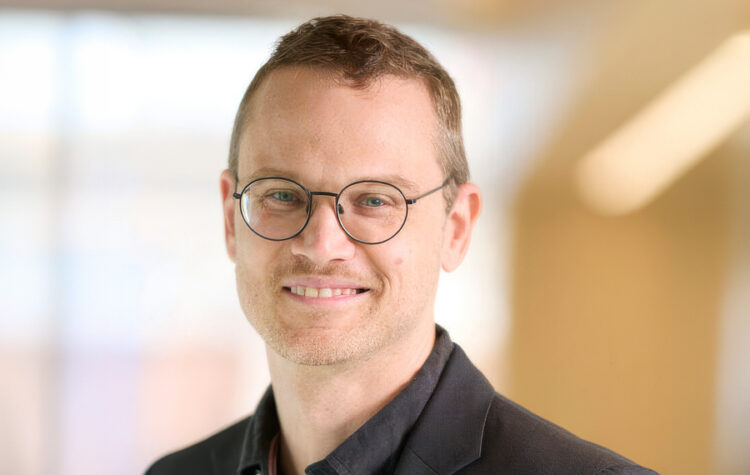
Assistant Professor Benjamin Lindquist studies how engineers deliberately injected randomness into early AI, giving rise to deep-learning models that sometimes hallucinate.

By rethinking how large cloud computing systems operate, Associate Professor Christina Delimitrou seeks to make data centers more energy efficient.
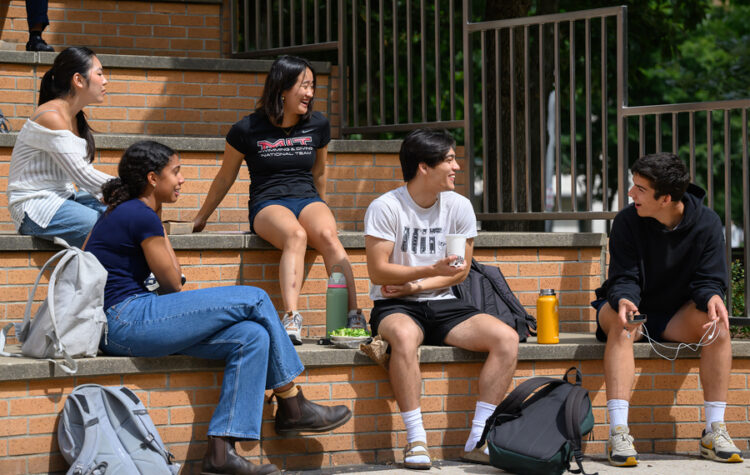
The Institute’s undergraduate engineering, computer science, and economics programs are No. 1; its business program is No. 2.
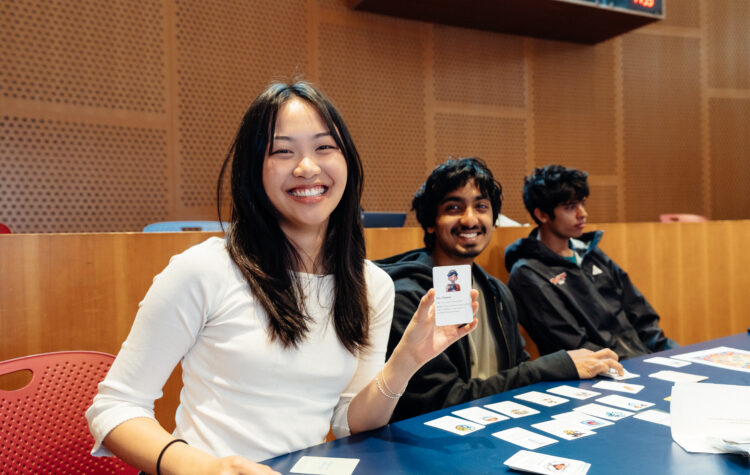
In “Hack Yourself”, students apply computer science strategies to personal growth goals.