

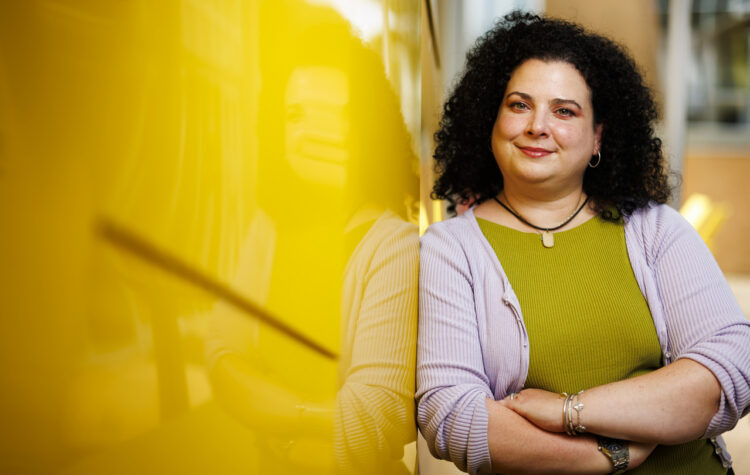
By rethinking how large cloud computing systems operate, Associate Professor Christina Delimitrou seeks to make data centers more energy efficient.
The Institute’s undergraduate engineering, computer science, and economics programs are No. 1; its business program is No. 2.
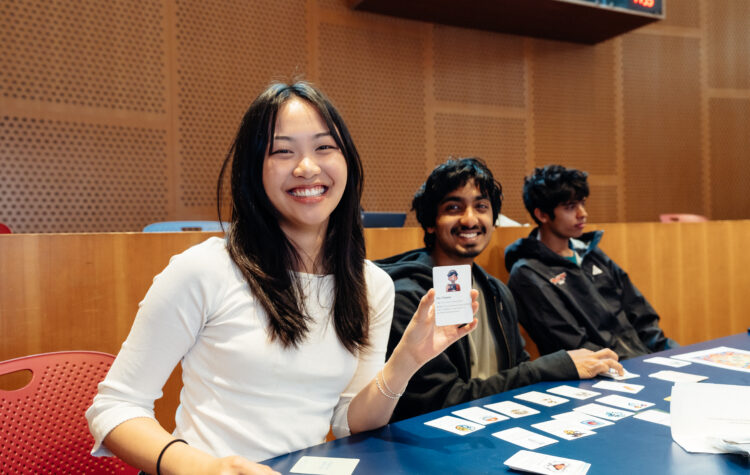
In “Hack Yourself”, students apply computer science strategies to personal growth goals.
Schmidt Center – MIT EECS Colloquium: Marin: An Open Lab For Frontier AI by Percy Liang 📅 Friday, September 18⏰ 4:00 – 5:00 pm (refreshments at 3:30 pm)📍 Broad Institute…
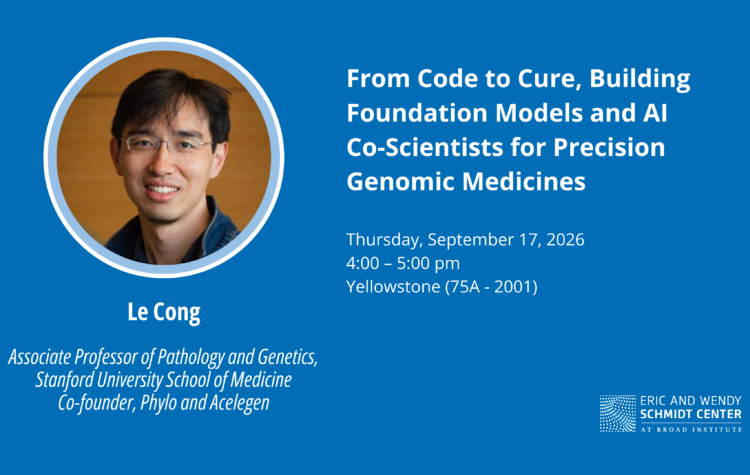
✨ From Code to Cure, Building Foundation Models and AI Co-Scientists for Precision Genomic Medicines 💬 Le Cong 🏫 Associate Professor of Pathology and Genetics, Stanford University School…
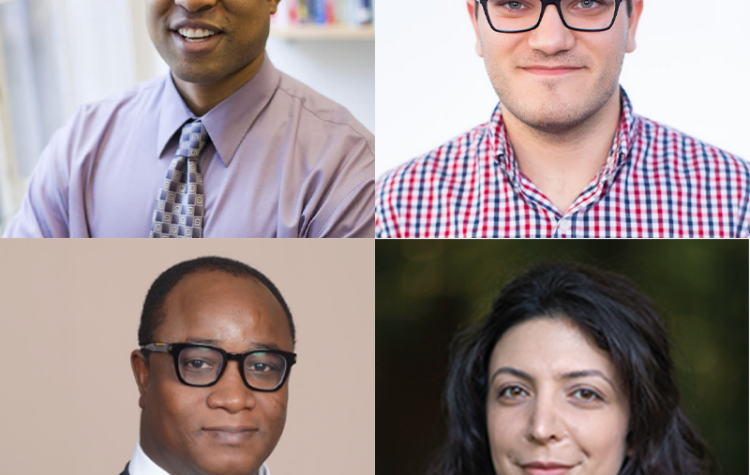
The recipients of the 2026 Ruth and Joel Spira Awards for Excellence in Teaching are Cullen Buie, Gabriele Farina, Ericmoore Jossou, and Farnaz Niroui.
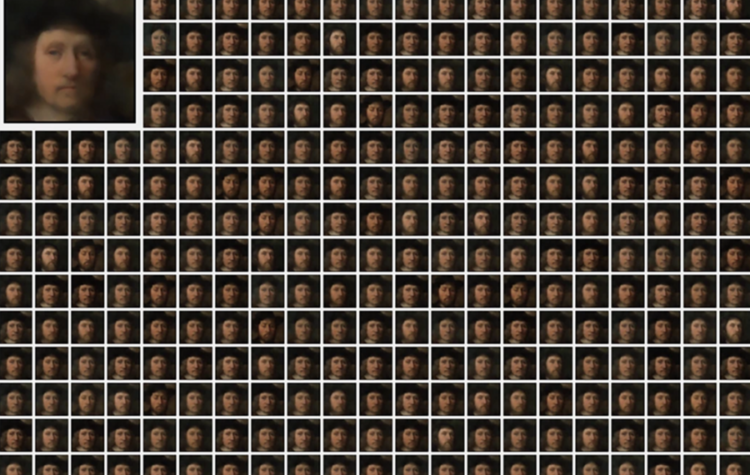
A new method for surgically removing training examples from a model reveals that as datasets grow, the link between what a model learns and what it produces dissolves.
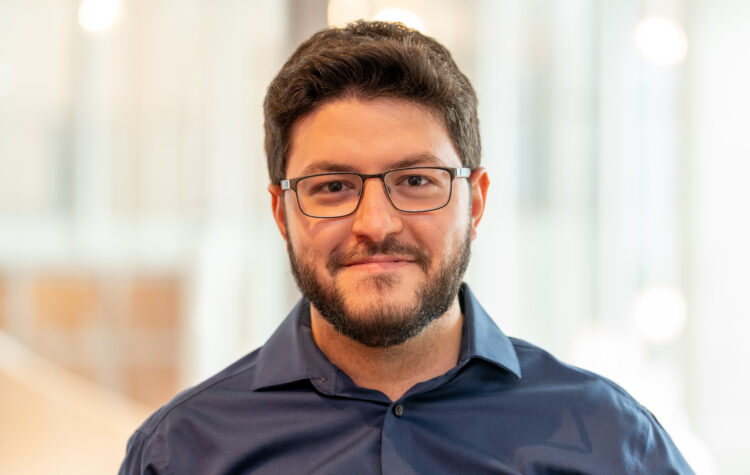
Before joining MIT in 2025, Assistant Professor Omar Khattab had already created several transformative tools that made their mark on industry.
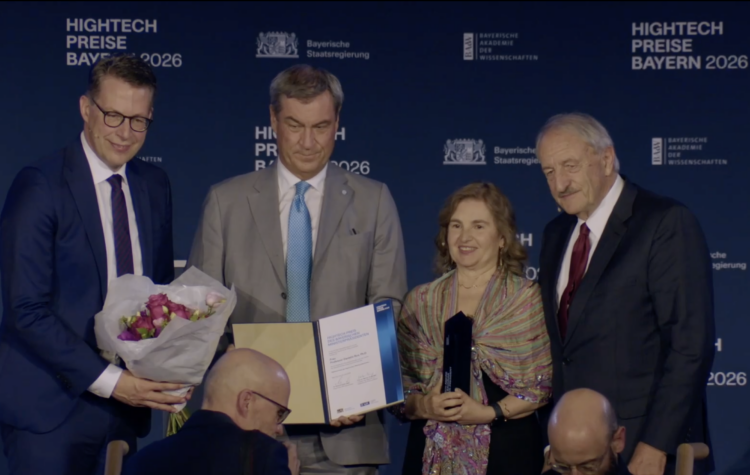
Awarded jointly by the Bavarian State Government and the Bavarian Academy of Sciences and Humanities, it is the most highly endowed award for technology and engineering in Germany.
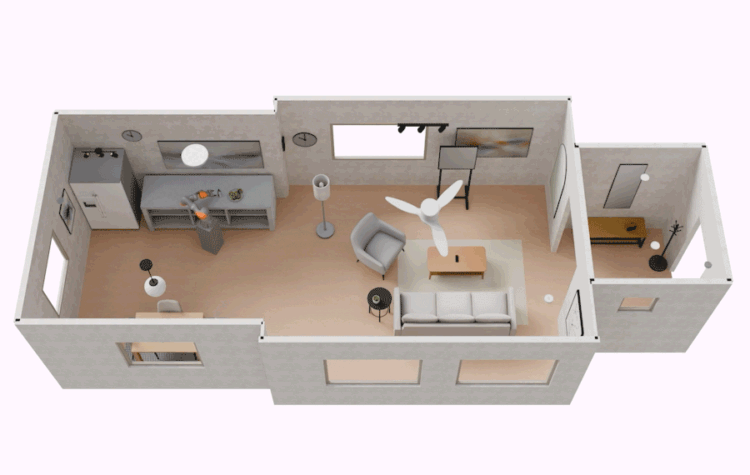
“SceneSmith” system uses collaborative AI agents to create realistic 3D environments of places like kitchens, hotels, and living rooms, where robots can simulate everyday chores.