


By providing holistic information on a cell, an AI-driven method could help scientists better understand disease mechanisms and plan experiments.

Tuesday, February 3, 2026 4:00 – 5:00 pm (refreshments at 3:30 pm) Broad Institute Auditorium (415 Main St., Cambridge, MA 02142) and virtually at broad.io/ewsc 📅 Add to calendar ✍️ Learn more and register…

New research demonstrates how AI models can be tested to ensure they don’t cause harm by revealing anonymized patient health data.
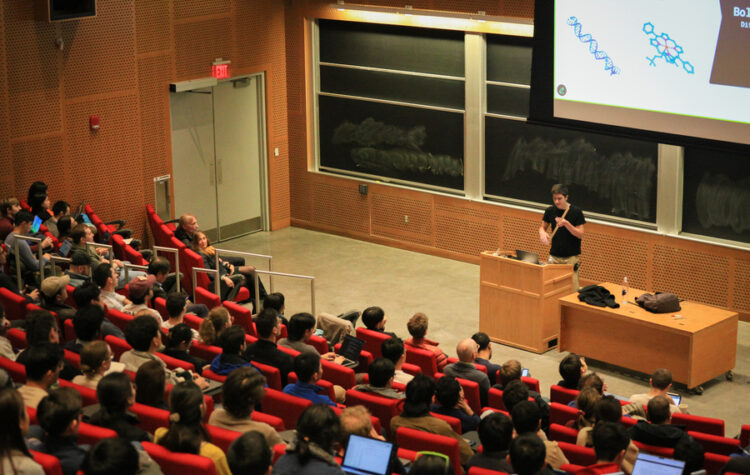
BoltzGen generates protein binders for any biological target from scratch, expanding AI’s reach from understanding biology toward engineering it.

Co-founded by an EECS alumnus, Watershed Bio offers researchers who aren’t software engineers a way to run large-scale analyses to accelerate biology.
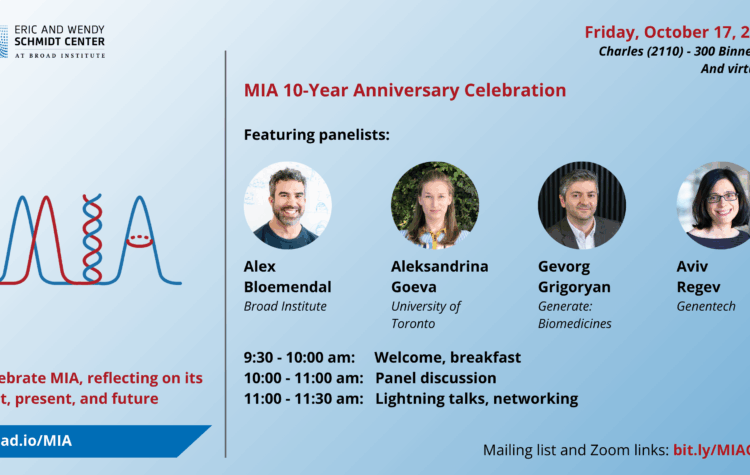
🥳 You’re invited – please join us on Friday, October 17 for our MIA 10-Year Anniversary Celebration! 📅 Friday, October 17 📍 Broad Institute – 300 Binney St. (2110 – Charles) ✍️ Register…
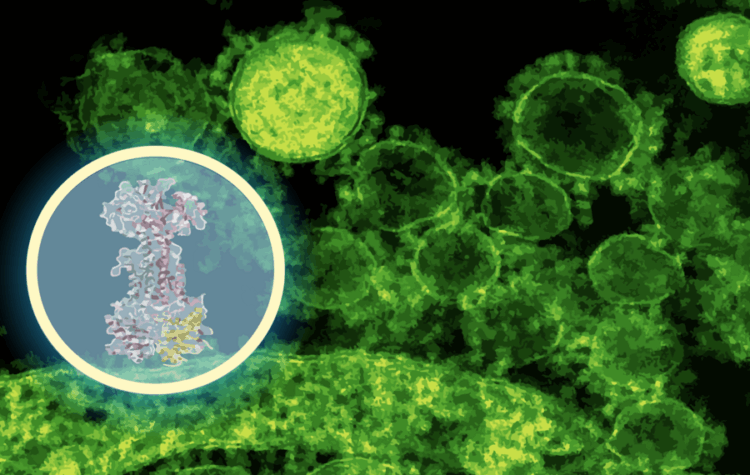
MIT CSAIL and McMaster researchers used a generative AI model to reveal how a narrow-spectrum antibiotic attacks disease-causing bacteria, speeding up a process that normally takes years.
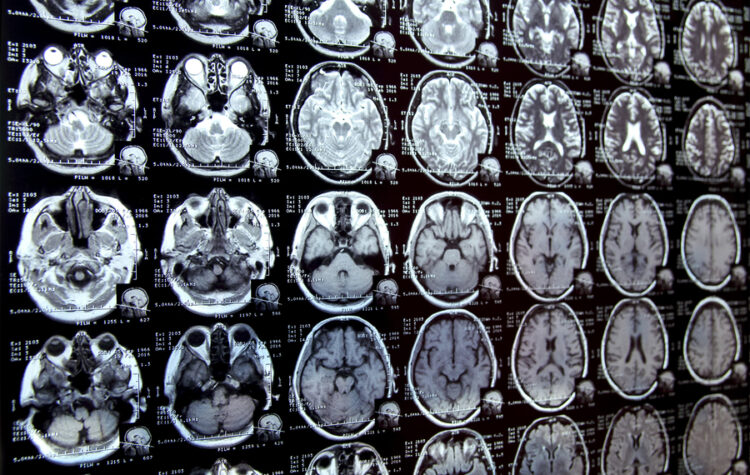
By enabling rapid annotation of areas of interest in medical images, the tool can help scientists study new treatments or map disease progression.
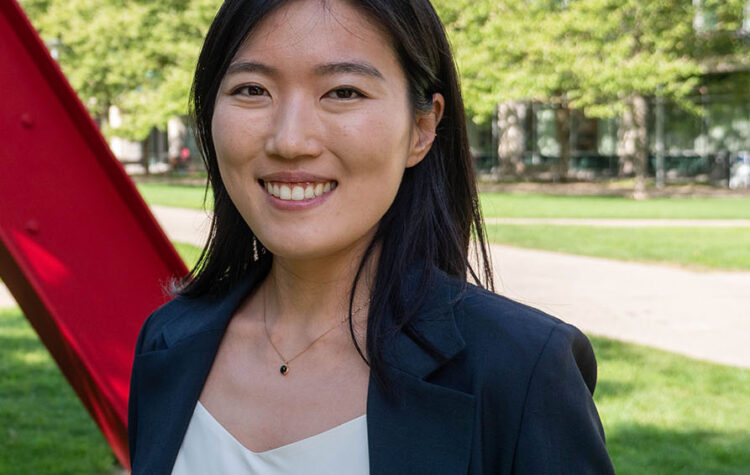
Yunha Hwang
Assistant Professor, shared appointment with Department of Biology, Samuel A. Goldblith Career Development Professor of Applied Biology, [AI+D]
617-258-7676
Office: 68-370A

VaxSeer uses machine learning to predict virus evolution and antigenicity, aiming to make vaccine selection more accurate and less reliant on guesswork.