

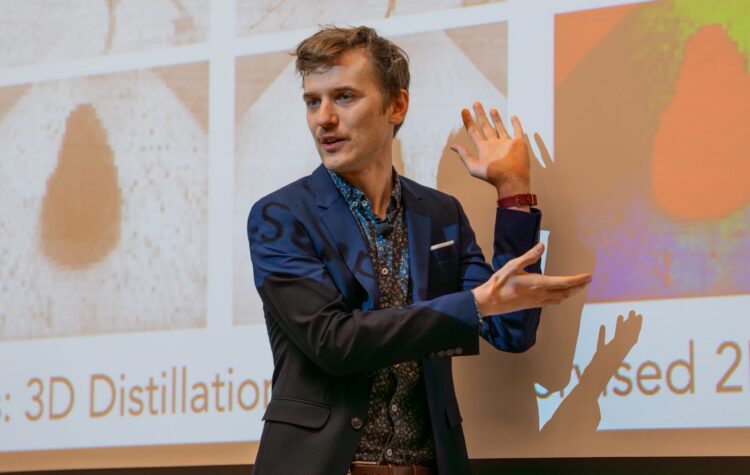
The award is given annually to an outstanding contributor to education from among the faculty members who are being proposed for promotion to associate professor without tenure.
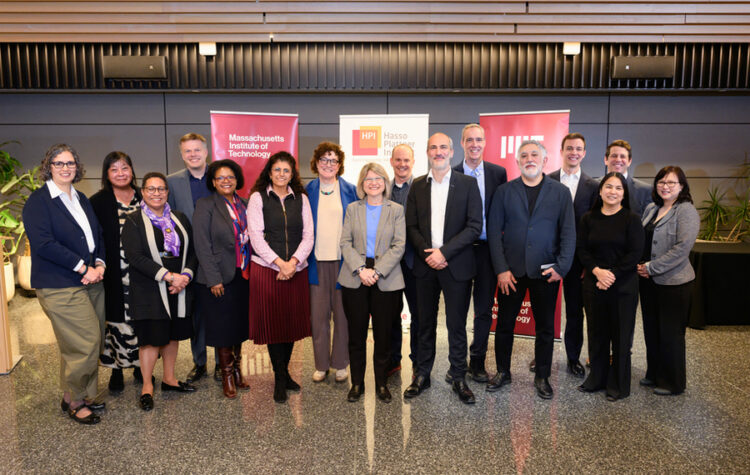
Jointly led by the MIT Morningside Academy for Design, MIT Schwarzman College of Computing, and the Hasso Plattner Institute in Potsdam, the hub will foster a dynamic community where computing, creativity, and human-centered innovation meet.

To help generative AI models create durable, real-world accessories and decor, the PhysiOpt system runs physics simulations and makes subtle tweaks to its 3D blueprints.

The context of long-term conversations can cause an LLM to begin mirroring the user’s viewpoints, possibly reducing accuracy or creating a virtual echo-chamber.
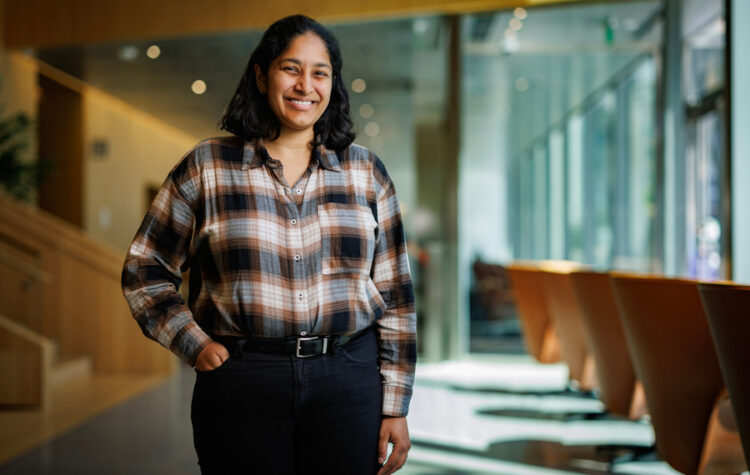
While the growing energy demands of AI are worrying, some techniques can also help make power grids cleaner and more efficient.

New research demonstrates how AI models can be tested to ensure they don’t cause harm by revealing anonymized patient health data.
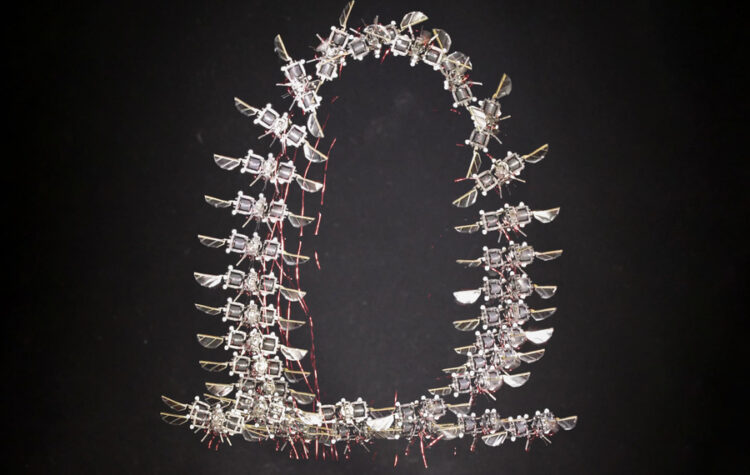
With insect-like speed and agility, the tiny robot could someday aid in search-and-rescue missions.

Large language models can learn to mistakenly link certain sentence patterns with specific topics — and may then repeat these patterns instead of reasoning.
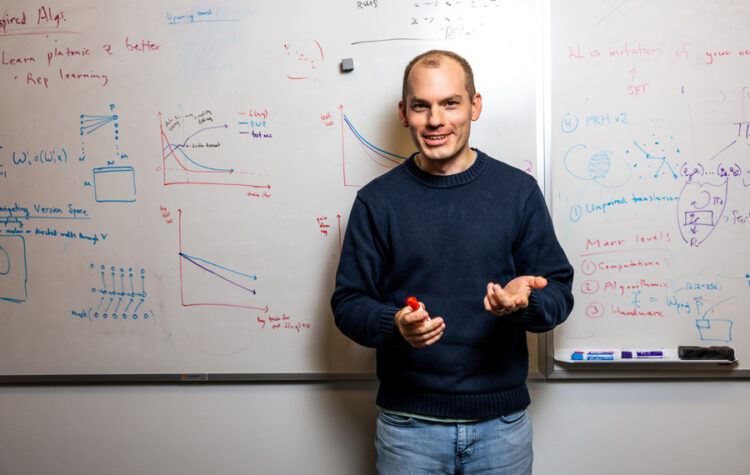
Associate Professor Phillip Isola studies the ways in which intelligent machines “think,” in an effort to safely integrate AI into human society.

New tool from MIT CSAIL creates realistic virtual kitchens and living rooms where simulated robots can interact with models of real-world objects, scaling up training data for robot foundation models.