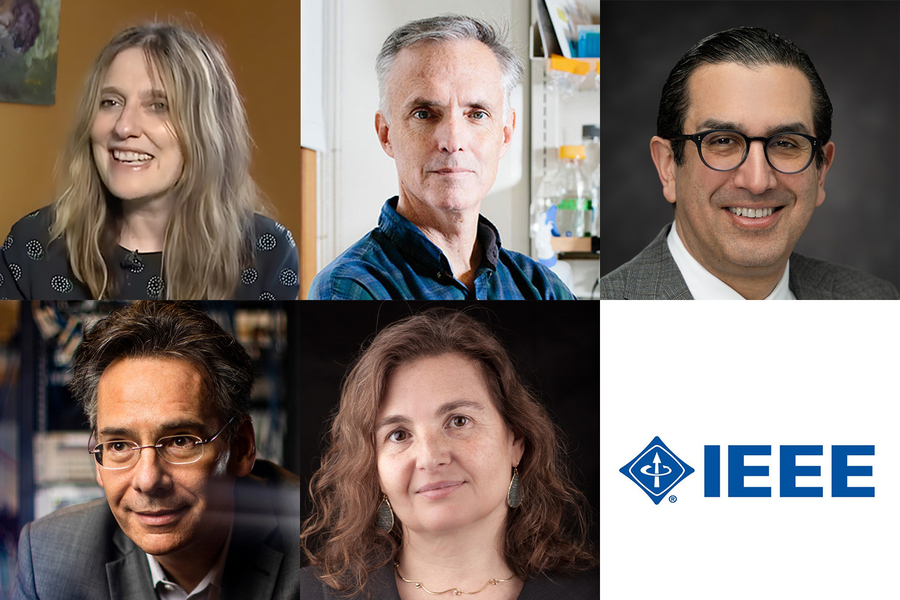
The IEEE recently announced the winners of their 2025 prestigious medals, technical awards, and fellowships. Four MIT faculty members, one staff member, and five alumni were recognized.
Regina Barzilay, the School of Engineering Distinguished Professor for AI and Health within the Department of Electrical Engineering and Computer Science (EECS) at MIT, received the IEEE Frances E. Allen Medal for “innovative machine learning algorithms that have led to advances in human language technology and demonstrated impact on the field of medicine.” Barzilay focuses on machine learning algorithms for modeling molecular properties in the context of drug design, with the goal of elucidating disease biochemistry and accelerating the development of new therapeutics. In the field of clinical AI, she focuses on algorithms for early cancer diagnostics. She is also the AI faculty lead within the MIT Abdul Latif Jameel Clinic for Machine Learning in Health and an affiliate of the Computer Science and Artificial Intelligence Laboratory, Institute for Medical Engineering and Science, and Koch Institute for Integrative Cancer Research. Barzilay is a member of the National Academy of Engineering, the National Academy of Medicine, and the American Academy of Arts and Sciences. She has earned the MacArthur Fellowship, MIT’s Jamieson Award for excellence in teaching, and the Association for the Advancement of Artificial Intelligence’s $1 million Squirrel AI Award for Artificial Intelligence for the Benefit of Humanity. Barzilay is a fellow of AAAI, ACL, and AIMBE.
James J. Collins, the Termeer Professor of Medical Engineering and Science, professor of biological engineering at MIT, and member of the Harvard-MIT Health Sciences and Technology faculty, earned the 2025 IEEE Medal for Innovations in Healthcare Technology for his work in “synthetic gene circuits and programmable cells, launching the field of synthetic biology, and impacting healthcare applications.” He is a core founding faculty member of the Wyss Institute for Biologically Inspired Engineering at Harvard University and an Institute Member of the Broad Institute of MIT and Harvard. Collins is known as a pioneer in synthetic biology, and currently focuses on employing engineering principles to model, design, and build synthetic gene circuits and programmable cells to create novel classes of diagnostics and therapeutics. His patented technologies have been licensed by over 25 biotech, pharma, and medical device companies, and he has co-founded several companies, including Synlogic, Senti Biosciences, Sherlock Biosciences, Cellarity, and the nonprofit Phare Bio. Collins’ many accolades are the MacArthur “Genius” Award, the Dickson Prize in Medicine, and election to the National Academies of Sciences, Engineering, and Medicine.
Roozbeh Jafari, principal staff member in MIT Lincoln Laboratory’s Biotechnology and Human Systems Division, was elected IEEE Fellow for his “contributions to sensors and systems for digital health paradigms.” Jafari seeks to establish impactful and highly collaborative programs between Lincoln Laboratory, MIT campus, and other U.S. academic entities to promote health and wellness for national security and public health. His research interests are wearable-computer design, sensors, systems, and AI for digital health, most recently focusing on digital twins for precision health. He has published more than 200 refereed papers and served as general chair and technical program committee chair for several flagship conferences focused on wearable computers. Jafari has received a National Science Foundation Faculty Early Career Development (CAREER) Award (2012), the IEEE Real-Time and Embedded Technology and Applications Symposium Best Paper Award (2011), the IEEE Andrew P. Sage Best Transactions Paper Award (2014), and the Association for Computing Machinery Transactions on Embedded Computing Systems Best Paper Award (2019), among other honors.
William Oliver, the Henry Ellis Warren (1894) Professor of Electrical Engineering and Computer Science and professor of physics at MIT, was elected an IEEE Fellow for his “contributions to superconductive quantum computing technology and its teaching.” Director of the MIT Center for Quantum Engineering and associate director of the MIT Research Laboratory of Electronics, Oliver leads the Engineering Quantum Systems (EQuS) group at MIT. His research focuses on superconducting qubits, their use in small-scale quantum processors, and the development of cryogenic packaging and control electronics. The EQuS group closely collaborates with the Quantum Information and Integrated Nanosystems Group at Lincoln Laboratory, where Oliver was previously a staff member and a Laboratory Fellow from 2017 to 2023. Through MIT xPRO, Oliver created four online professional development courses addressing the fundamentals and practical realities of quantum computing. He is member of the National Quantum Initiative Advisory Committee and has published more than 130 journal articles and seven book chapters. Inventor or co-inventor on more than 10 patents, he is a fellow of the American Association for the Advancement of Science and the American Physical Society; serves on the U.S. Committee for Superconducting Electronics; and is a lead editor for the IEEE Applied Superconductivity Conference.
Daniela Rus, director of the MIT Computer Science and Artificial Intelligence Laboratory, MIT Schwarzman College of Computing deputy dean of research, and the Andrew (1956) and Erna Viterbi Professor within the Department of Electrical Engineering and Computer Science, was awarded the IEEE Edison Medal for “sustained leadership and pioneering contributions in modern robotics.” Rus’ research in robotics, artificial intelligence, and data science focuses primarily on developing the science and engineering of autonomy, where she envisions groups of robots interacting with each other and with people to support humans with cognitive and physical tasks. Rus is a Class of 2002 MacArthur Fellow, a fellow of the Association for Computing Machinery, of the Association for the Advancement of Artificial Intelligence and of IEEE, and a member of the National Academy of Engineers and the American Academy of Arts and Sciences.
Five MIT alumni were also recognized.
Steve Mann PhD ’97, a graduate of the Program in Media Arts and Sciences, received the Masaru Ibuka Consumer Technology Award “for contributions to the advancement of wearable computing and high dynamic range imaging.” He founded the MIT Wearable Computing Project and is currently professor of computer engineering at the University of Toronto as well as an IEEE Fellow.
Thomas Louis Marzetta ’72 PhD ’78, a graduate of the Department of Electrical Engineering and Computer Science, received the Eric E. Sumner Award “for originating the Massive MIMO technology in wireless communications.” Marzetta is a distinguished industry professor at New York University’s (NYU) Tandon School of Engineering and is director of NYU Wireless, an academic research center within the department. He is also an IEEE Life Fellow.
Michael Menzel ’81, a graduate of the Department of Physics, was awarded the Simon Ramo Medal “for development of the James Webb Space Telescope [JWST], first deployed to see the earliest galaxies in the universe,” along with Bill Ochs, JWST project manager at NASA, and Scott Willoughby, vice president and program manager for the JWST program at Northrop Grumman. Menzel is a mission systems engineer at NASA and a member of the American Astronomical Society.
Jose Manuel Fonseca Moura ’73, SM ’73, ScD ’75, a graduate of the Department of Electrical Engineering and Computer Science, received the Haraden Pratt Award “for sustained leadership and outstanding contributions to the IEEE in education, technical activities, awards, and global connections.” Currently, Moura is the Philip L. and Marsha Dowd University Professor at Carnegie Mellon University. He is also a member of the U.S. National Academy of Engineers, fellow of the U.S. National Academy of Inventors, a member of the Portugal Academy of Science, an IEEE Fellow, and a fellow of the American Association for the Advancement of Science.
Marc Raibert PhD ’77, a graduate of the former Department of Psychology, now a part of the Department of Brain and Cognitive Sciences, received the Robotics and Automation Award “for pioneering and leading the field of dynamic legged locomotion.” He is founder of Boston Dynamics, an MIT spinoff and robotics company, and The AI Institute, based in Cambridge, Massachusetts, where he also serves as the executive director. Raibert is an IEEE Member.
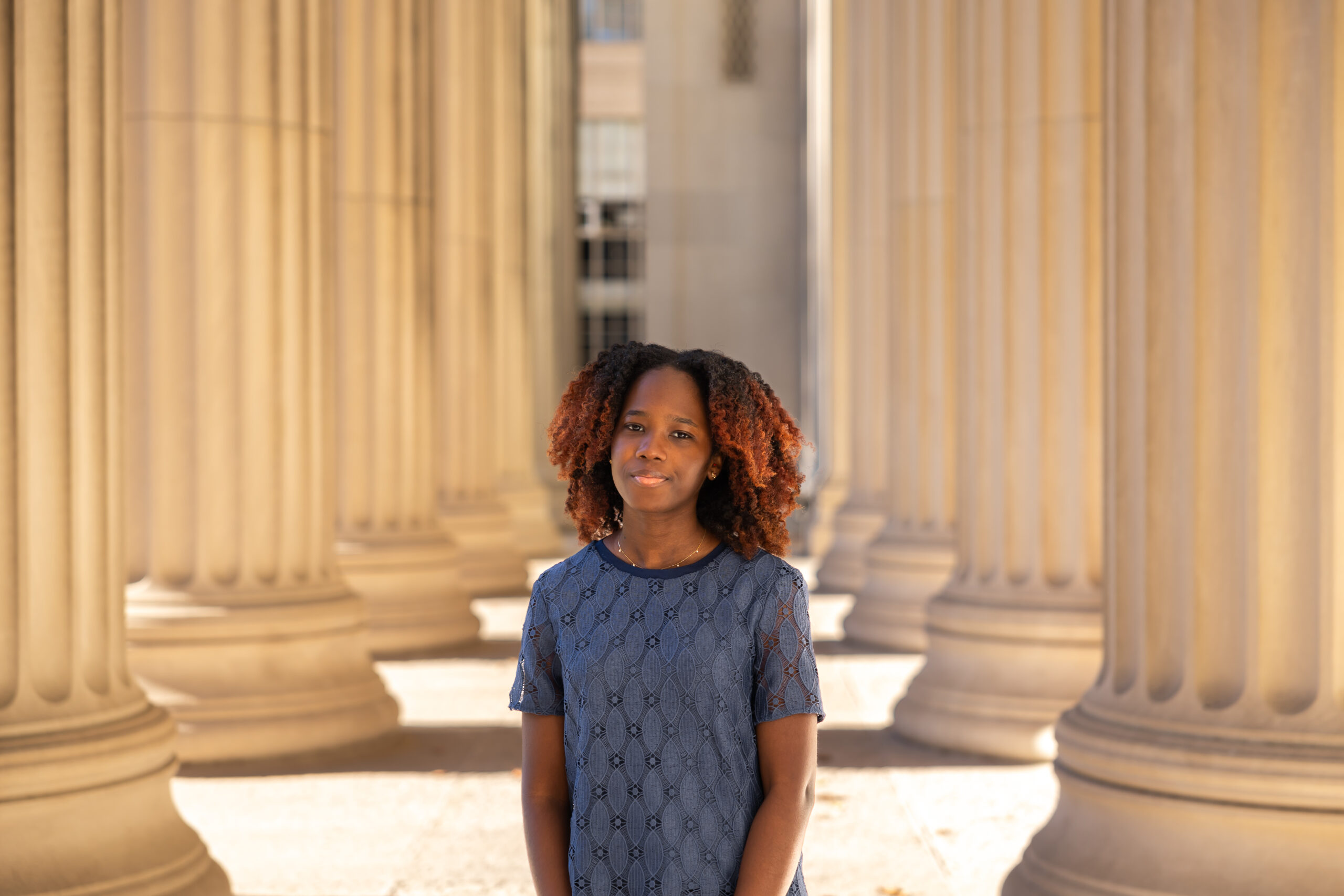
Lara Ozkan, an MIT senior from Oradell, New Jersey, has been selected as a 2025 Marshall Scholar and will begin graduate studies in the United Kingdom next fall. Funded by the British government, the Marshall Scholarship awards American students of high academic achievement with the opportunity to pursue graduate studies in any field at any university in the U.K. Up to 50 scholarships are granted each year.
“We are so proud that Lara will be representing MIT in the U.K.,” says Kim Benard, associate dean of distinguished fellowships. “Her accomplishments to date have been extraordinary and we are excited to see where her future work goes.” Ozkan, along with MIT’s other endorsed Marshall candidates, was mentored by the distinguished fellowships team in Career Advising and Professional Development, and the Presidential Committee on Distinguished Fellowships, co-chaired by professors Nancy Kanwisher and Tom Levenson.
Ozkan, a senior majoring in computer science and molecular biology, plans to pursue through her Marshall Scholarship an MPhil in biological science at Cambridge University’s Sanger Institute, followed by a master’s by research degree in artificial intelligence and machine learning at Imperial College London. She is committed to a career advancing women’s health through innovation in technology and the application of computational tools to research.
Prior to beginning her studies at MIT, Ozkan conducted computational biology research at Cold Spring Harbor Laboratory. At MIT, she has been an undergraduate researcher with the MIT Media Lab’s Conformable Decoders group, where she has worked on breast cancer wearable ultrasound technologies. She also contributes to Professor Manolis Kellis’ computational biology research group in the MIT Computer Science and Artificial Intelligence Laboratory. Ozkan’s achievements in computational biology research earned her the MIT Susan Hockfield Prize in Life Sciences.
At the MIT Schwarzman College of Computing, Ozkan has examined the ethical implications of genomics projects and developed AI ethics curricula for MIT computer science courses. Through internships with Accenture Gen AI Risk and pharmaceutical firms, she gained practical insights into responsible AI use in health care.
Ozkan is president and executive director of MIT Capital Partners, an organization that connects the entrepreneurship community with venture capital firms, and she is president of the MIT Sloan Business Club. Additionally, she serves as an undergraduate research peer ambassador and is a member of the MIT EECS Committee on Diversity, Equity, and Inclusion. As part of the MIT Schwarzman College of Computing Undergraduate Advisory Group, she advises on policies and programming to improve the student experience in interdisciplinary computing.
Beyond Ozkan’s research roles, she volunteers with MIT CodeIt, teaching middle-school girls computer science. As a counselor with Camp Kesem, she mentors children whose parents are impacted by cancer.
MIT scientists have released a powerful, open-source AI model, called Boltz-1, that could significantly accelerate biomedical research and drug development.
Developed by a team of researchers in the MIT Jameel Clinic for Machine Learning in Health, Boltz-1 is the first fully open-source model that achieves state-of-the-art performance at the level of AlphaFold3, the model from Google DeepMind that predicts the 3D structures of proteins and other biological molecules.
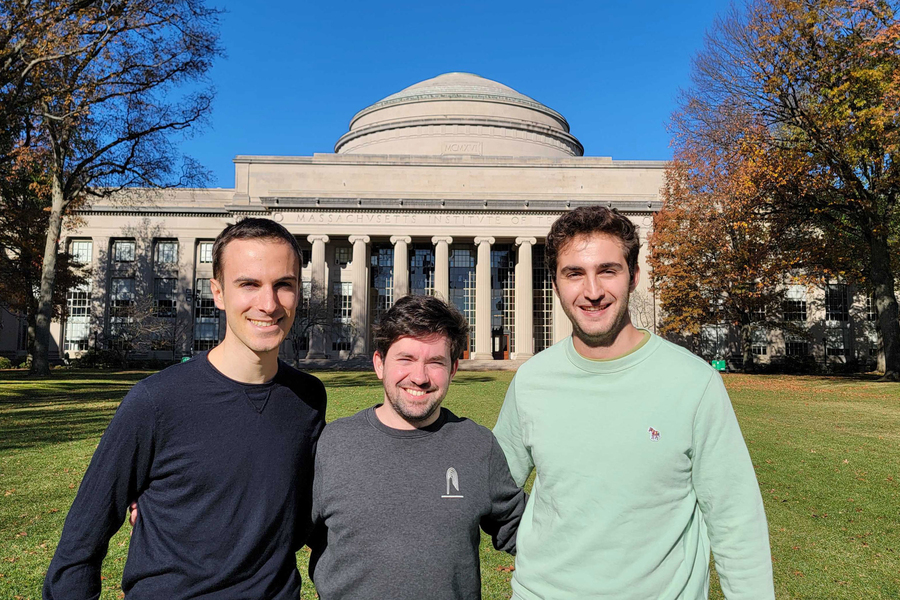
MIT EECS graduate students Jeremy Wohlwend and Gabriele Corso were the lead developers of Boltz-1, along with MIT Jameel Clinic Research Affiliate Saro Passaro and MIT professors of electrical engineering and computer science Regina Barzilay and Tommi Jaakkola. Wohlwend and Corso presented the model at a Dec. 5 event at MIT’s Stata Center, where they said their ultimate goal is to foster global collaboration, accelerate discoveries, and provide a robust platform for advancing biomolecular modeling.
“We hope for this to be a starting point for the community,” Corso said. “There is a reason we call it Boltz-1 and not Boltz. This is not the end of the line. We want as much contribution from the community as we can get.”
Proteins play an essential role in nearly all biological processes. A protein’s shape is closely connected with its function, so understanding a protein’s structure is critical for designing new drugs or engineering new proteins with specific functionalities. But because of the extremely complex process by which a protein’s long chain of amino acids is folded into a 3D structure, accurately predicting that structure has been a major challenge for decades.
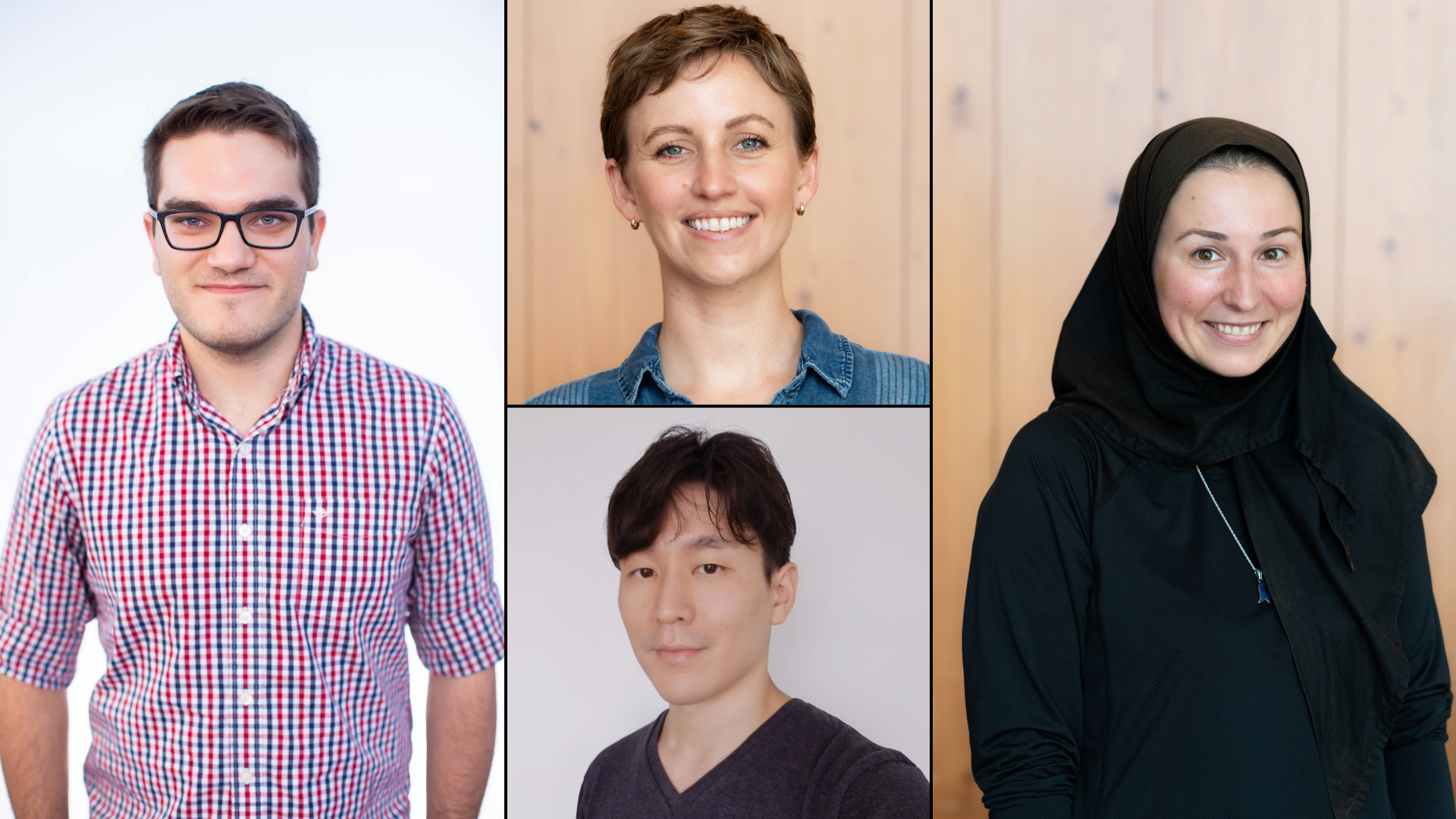
Caption:Left to right: Gabriele Corso, Jeremy Wohlwend, and Saro Passaro Credits:Credit: Maelle-Marie Troadec
DeepMind’s AlphaFold2, which earned Demis Hassabis and John Jumper the 2024 Nobel Prize in Chemistry, uses machine learning to rapidly predict 3D protein structures that are so accurate they are indistinguishable from those experimentally derived by scientists. This open-source model has been used by academic and commercial research teams around the world, spurring many advancements in drug development.
AlphaFold3 improves upon its predecessors by incorporating a generative AI model, known as a diffusion model, which can better handle the amount of uncertainty involved in predicting extremely complex protein structures. Unlike AlphaFold2, however, AlphaFold3 is not fully open source, nor is it available for commercial use, which prompted criticism from the scientific community and kicked off a global race to build a commercially available version of the model.
For their work on Boltz-1, the MIT researchers followed the same initial approach as AlphaFold3, but after studying the underlying diffusion model, they explored potential improvements. They incorporated those that boosted the model’s accuracy the most, such as new algorithms that improve prediction efficiency.
Along with the model itself, they open-sourced their entire pipeline for training and fine-tuning so other scientists can build upon Boltz-1.
“I am immensely proud of Jeremy, Gabriele, Saro, and the rest of the Jameel Clinic team for making this release happen. This project took many days and nights of work, with unwavering determination to get to this point. There are many exciting ideas for further improvements and we look forward to sharing them in the coming months,” Barzilay says.
It took the MIT team four months of work, and many experiments, to develop Boltz-1. One of their biggest challenges was overcoming the ambiguity and heterogeneity contained in the Protein Data Bank, a collection of all biomolecular structures that thousands of biologists have solved in the past 70 years.
“I had a lot of long nights wrestling with these data. A lot of it is pure domain knowledge that one just has to acquire. There are no shortcuts,” Wohlwend says.
In the end, their experiments show that Boltz-1 attains the same level of accuracy as AlphaFold3 on a diverse set of complex biomolecular structure predictions.
“What Jeremy, Gabriele, and Saro have accomplished is nothing short of remarkable. Their hard work and persistence on this project has made biomolecular structure prediction more accessible to the broader community and will revolutionize advancements in molecular sciences,” says Jaakkola.
The researchers plan to continue improving the performance of Boltz-1 and reduce the amount of time it takes to make predictions. They also invite researchers to try Boltz-1 on their GitHub repository and connect with fellow users of Boltz-1 on their Slack channel.
“We think there is still many, many years of work to improve these models. We are very eager to collaborate with others and see what the community does with this tool,” Wohlwend adds.
Mathai Mammen, CEO and president of Parabilis Medicines, calls Boltz-1 a “breakthrough” model. “By open sourcing this advance, the MIT Jameel Clinic and collaborators are democratizing access to cutting-edge structural biology tools,” he says. “This landmark effort will accelerate the creation of life-changing medicines. Thank you to the Boltz-1 team for driving this profound leap forward!”
“Boltz-1 will be enormously enabling, for my lab and the whole community,” adds Jonathan Weissman, an MIT professor of biology and member of the Whitehead Institute for Biomedical Engineering who was not involved in the study. “We will see a whole wave of discoveries made possible by democratizing this powerful tool.” Weissman adds that he anticipates that the open-source nature of Boltz-1 will lead to a vast array of creative new applications.
This work was also supported by a U.S. National Science Foundation Expeditions grant; the Jameel Clinic; the U.S. Defense Threat Reduction Agency Discovery of Medical Countermeasures Against New and Emerging (DOMANE) Threats program; and the MATCHMAKERS project supported by the Cancer Grand Challenges partnership financed by Cancer Research UK and the U.S. National Cancer Institute.
One might argue that one of the primary duties of a physician is to constantly evaluate and re-evaluate the odds: What are the chances of a medical procedure’s success? Is the patient at risk of developing severe symptoms? When should the patient return for more testing? Amidst these critical deliberations, the rise of artificial intelligence promises to reduce risk in clinical settings and help physicians prioritize the care of high-risk patients.
Despite its potential, researchers from the MIT Department of Electrical Engineering and Computer Science (EECS), Equality AI, and Boston University are calling for more oversight of AI from regulatory bodies in a new commentary published in the New England Journal of Medicine AI’s (NEJM AI) October issue after the U.S. Office for Civil Rights (OCR) in the Department of Health and Human Services (HHS) issued a new rule under the Affordable Care Act (ACA).
In May, the OCR published a final rule in the ACA that prohibits discrimination on the basis of race, color, national origin, age, disability, or sex in “patient care decision support tools,” a newly established term that encompasses both AI and non-automated tools used in medicine.
According to senior author and associate professor of EECS Marzyeh Ghassemi, “the rule is an important step forward.” Ghassemi, who is affiliated with the MIT Abdul Latif Jameel Clinic for Machine Learning in Health (Jameel Clinic), the Computer Science and Artificial Intelligence Laboratory (CSAIL), and the Institute for Medical Engineering and Science (IMES), adds that the rule “should dictate equity-driven improvements to the non-AI algorithms and clinical decision-support tools already in use across clinical subspecialties.”
The number of U.S. Food and Drug Administration-approved, AI-enabled devices has risen dramatically in the past decade since the approval of the first AI-enabled device in 1995 (PAPNET Testing System, a tool for cervical screening). As of October, the FDA has approved nearly 1,000 AI-enabled devices, many of which are designed to support clinical decision-making.
However, researchers point out that there is no regulatory body overseeing the clinical risk scores produced by clinical-decision support tools, despite the fact that the majority of U.S. physicians (65 percent) use these tools on a monthly basis to determine the next steps for patient care.
To address this shortcoming, the Jameel Clinic will host another regulatory conference in March 2025. Last year’s conference ignited a series of discussions and debates amongst faculty, regulators from around the world, and industry experts focused on the regulation of AI in health.
“Clinical risk scores are less opaque than ‘AI’ algorithms in that they typically involve only a handful of variables linked in a simple model,” comments Isaac Kohane, chair of the Department of Biomedical Informatics at Harvard Medical School and editor-in-chief of NEJM AI. “Nonetheless, even these scores are only as good as the datasets used to ‘train’ them and as the variables that experts have chosen to select or study in a particular cohort. If they affect clinical decision-making, they should be held to the same standards as their more recent and vastly more complex AI relatives.”
Moreover, while many decision-support tools do not use AI, researchers note that these tools are just as culpable in perpetuating biases in health care, and require oversight.
“Regulating clinical risk scores poses significant challenges due to the proliferation of clinical decision support tools embedded in electronic medical records and their widespread use in clinical practice,” says co-author Maia Hightower, CEO of Equality AI. “Such regulation remains necessary to ensure transparency and nondiscrimination.”
However, Hightower adds that under the incoming administration, the regulation of clinical risk scores may prove to be “particularly challenging, given its emphasis on deregulation and opposition to the Affordable Care Act and certain nondiscrimination policies.”
Metabolic imaging is a noninvasive method that enables clinicians and scientists to study living cells using laser light, which can help them assess disease progression and treatment responses.
But light scatters when it shines into biological tissue, limiting how deep it can penetrate and hampering the resolution of captured images.
Now, MIT researchers have developed a new technique that more than doubles the usual depth limit of metabolic imaging. Their method also boosts imaging speeds, yielding richer and more detailed images.
This new technique does not require tissue to be preprocessed, such as by cutting it or staining it with dyes. Instead, a specialized laser illuminates deep into the tissue, causing certain intrinsic molecules within the cells and tissues to emit light. This eliminates the need to alter the tissue, providing a more natural and accurate representation of its structure and function.
The researchers achieved this by adaptively customizing the laser light for deep tissues. Using a recently developed fiber shaper — a device they control by bending it — they can tune the color and pulses of light to minimize scattering and maximize the signal as the light travels deeper into the tissue. This allows them to see much further into living tissue and capture clearer images.
This animation shows deep metabolic imaging of living intact 3D multicellular systems, which were grown in the Roger Kamm lab at MIT. The clearer side is the result of the researchers’ new imaging method, in combination with their previous work on physics-based deblurring. Credit: Courtesy of the researchers
Greater penetration depth, faster speeds, and higher resolution make this method particularly well-suited for demanding imaging applications like cancer research, tissue engineering, drug discovery, and the study of immune responses.
“This work shows a significant improvement in terms of depth penetration for label-free metabolic imaging. It opens new avenues for studying and exploring metabolic dynamics deep in living biosystems,” says Sixian You, assistant professor in the Department of Electrical Engineering and Computer Science (EECS), a member of the Research Laboratory for Electronics, and senior author of a paper on this imaging technique.
She is joined on the paper by lead author Kunzan Liu, an EECS graduate student; Tong Qiu, an MIT postdoc; Honghao Cao, an EECS graduate student; Fan Wang, professor of brain and cognitive sciences; Roger Kamm, the Cecil and Ida Green Distinguished Professor of Biological and Mechanical Engineering; Linda Griffith, the School of Engineering Professor of Teaching Innovation in the Department of Biological Engineering; and other MIT colleagues. The research appears today in Science Advances.
Laser-focused
This new method falls in the category of label-free imaging, which means tissue is not stained beforehand. Staining creates contrast that helps a clinical biologist see cell nuclei and proteins better. But staining typically requires the biologist to section and slice the sample, a process that often kills the tissue and makes it impossible to study dynamic processes in living cells.
In label-free imaging techniques, researchers use lasers to illuminate specific molecules within cells, causing them to emit light of different colors that reveal various molecular contents and cellular structures. However, generating the ideal laser light with certain wavelengths and high-quality pulses for deep-tissue imaging has been challenging.
The researchers developed a new approach to overcome this limitation. They use a multimode fiber, a type of optical fiber which can carry a significant amount of power, and couple it with a compact device called a “fiber shaper.” This shaper allows them to precisely modulate the light propagation by adaptively changing the shape of the fiber. Bending the fiber changes the color and intensity of the laser.
Building on prior work, the researchers adapted the first version of the fiber shaper for deeper multimodal metabolic imaging.
“We want to channel all this energy into the colors we need with the pulse properties we require. This gives us higher generation efficiency and a clearer image, even deep within tissues,” says Cao.
Once they had built the controllable mechanism, they developed an imaging platform to leverage the powerful laser source to generate longer wavelengths of light, which are crucial for deeper penetration into biological tissues.
“We believe this technology has the potential to significantly advance biological research. By making it affordable and accessible to biology labs, we hope to empower scientists with a powerful tool for discovery,” Liu says.
Dynamic applications
When the researchers tested their imaging device, the light was able to penetrate more than 700 micrometers into a biological sample, whereas the best prior techniques could only reach about 200 micrometers.
“With this new type of deep imaging, we want to look at biological samples and see something we have never seen before,” Liu adds.
The deep imaging technique enabled them to see cells at multiple levels within a living system, which could help researchers study metabolic changes that happen at different depths. In addition, the faster imaging speed allows them to gather more detailed information on how a cell’s metabolism affects the speed and direction of its movements.
This new imaging method could offer a boost to the study of organoids, which are engineered cells that can grow to mimic the structure and function of organs. Researchers in the Kamm and Griffith labs pioneer the development of brain and endometrial organoids that can grow like organs for disease and treatment assessment.
However, it has been challenging to precisely observe internal developments without cutting or staining the tissue, which kills the sample.
This new imaging technique allows researchers to noninvasively monitor the metabolic states inside a living organoid while it continues to grow.
With these and other biomedical applications in mind, the researchers plan to aim for even higher-resolution images. At the same time, they are working to create low-noise laser sources, which could enable deeper imaging with less light dosage.
They are also developing algorithms that react to the images to reconstruct the full 3D structures of biological samples in high resolution.
In the long run, they hope to apply this technique in the real world to help biologists monitor drug response in real-time to aid in the development of new medicines.
“By enabling multimodal metabolic imaging that reaches deeper into tissues, we’re providing scientists with an unprecedented ability to observe nontransparent biological systems in their natural state. We’re excited to collaborate with clinicians, biologists, and bioengineers to push the boundaries of this technology and turn these insights into real-world medical breakthroughs,” You says.
“This work is exciting because it uses innovative feedback methods to image cell metabolism deeper in tissues compared to current techniques. These technologies also provide fast imaging speeds, which was used to uncover unique metabolic dynamics of immune cell motility within blood vessels. I expect that these imaging tools will be instrumental for discovering links between cell function and metabolism within dynamic living systems,” says Melissa Skala, an investigator at the Morgridge Institute for Research who was not involved with this work.
“Being able to acquire high resolution multi-photon images relying on NAD(P)H autofluorescence contrast faster and deeper into tissues opens the door to the study of a wide range of important problems,” adds Irene Georgakoudi, a professor of biomedical engineering at Tufts University who was also not involved with this work. “Imaging living tissues as fast as possible whenever you assess metabolic function is always a huge advantage in terms of ensuring the physiological relevance of the data, sampling a meaningful tissue volume, or monitoring fast changes. For applications in cancer diagnosis or in neuroscience, imaging deeper — and faster — enables us to consider a richer set of problems and interactions that haven’t been studied in living tissues before.”
This research is funded, in part, by MIT startup funds, a U.S. National Science Foundation CAREER Award, an MIT Irwin Jacobs and Joan Klein Presidential Fellowship, and an MIT Kailath Fellowship.
When you ask MIT students to tell you the story of how they came to Cambridge, you might hear some common themes: a favorite science teacher; an interest in computers that turned into an obsession; a bedroom decorated with NASA posters and glow-in-the-dark stars.
But for a few, the road to MIT starts with an invitation to a special summer program: not a camp with canoes or cabins or campgrounds, but instead one taking place in classrooms and labs with discussions of Arduinos, variable scope and aliasing, and Michaelis-Menten enzyme kinetics. The classroom and labs are in Barbados at the Cave Hill campus of the University of the West Indies, and all the students are gifted Caribbean high schoolers, ages 16-18, who’ve been selected for the extremely competitive Student Program for Innovation in Science and Engineering (SPISE). Their summer will not include much time for leisure or lots of sleep; instead, they’ll be tackling a five-week high-intensity curriculum with courses in university-level calculus, physics, biochemistry, computer programming, electronics and entrepreneurship, including hands-on projects in the last three. For several students currently on campus, SPISE was their gateway to MIT.
“The full story is even bigger,” says Cardinal Warde, Professor of Electrical Engineering, the founder of SPISE and originally from Barbados in the Caribbean. “Over the past 10 years, exactly 30 of the 245 students in total from the SPISE program have attended MIT as undergrads and/or graduate students.”
While many SPISE alumni have gone on to Harvard, Stanford, Caltech, Princeton, Columbia, U Penn and other prestigious schools, the emphasis on science and technology creates a natural pipeline to MIT, whose faculty and instructors volunteered their time and expertise to help Warde design a curriculum that was both challenging and engaging.
Jacob White, the Cecil H. Green Professor in Electrical Engineering, was one of the first of those volunteers. “When COVID forced SPISE to run remotely, Professor Warde felt it was critical to continue having hands-on engineering labs, and sought my help,” White explains. “Kits were cobbled together using EECS-donated microcontroller boards, motors and magnets; Dinah Sah (the SPISE director) got those kits to students spread over half-a-dozen islands.” White, and several of his graduate students, collaborated to write a curriculum which would give the students enough grounding in fundamentals to empower them to create their own designs.
When SPISE returned to in-person education, Steve Leeb, Emanuel E. Landsman (1958) Professor in the Department of EECS and a member of the Research Laboratory of Electronics (RLE), was inspired by the challenge of teaching electronics remotely.
“SPISE is exactly the kind of opportunity we’re looking for in the RLE educational outreach programs: bright, enthusiastic young folks who would benefit from new perspectives on science and engineering — a community of folks where we can bring new perspectives, share energy and excitement, and, ideally, make lifelong connections to our academic programs here at MIT. It’s a natural fit that benefits us all,” says Leeb, who, together with his graduate students, adapted the portable “take-home” Electronics FIRST curriculum pioneered at MIT and taught in course 6.2030. “The Electronics FIRST exercises and lectures are designed to connect electronic circuit techniques – digital gates, microcontrollers, and other electronics technologies – that are recognizable as elements of commercial products,” says Leeb. “So the projects naturally engage students in building with components that have a connection to commercial products and product ideas. This flows naturally into a “final project” that the students create in SPISE, a product of their own conception, for example a music synthesizer.”
Steve Leeb (right) and Dan Monagle (left), a graduate student in Leeb’s research group and 2024 SPISE instructor, show off a dozen credit-card-sized circuit board projects mounted on a display. Each board is a separate project from the Electronics FIRST curriculum, which Monagle helped Leeb design. “The build exercises lead to a final project that allows the SPISE students to have a “mini-exposure” to a product design cycle,” reports Leeb. “They get a sense of what it’s like to define and prototype an electronic device that “does something” they’ve dreamed about.” Image credit: Frankie Schulte.
Crucially, the curriculum isn’t simplified for the high school students. “We adapted the projects to fit the different program length – SPISE is shorter than a full MIT term,” says Leeb. “We did not reduce the rigor or challenge of the activities, and, in fact, have brought new ideas from the SPISE students back to campus to improve 6.2030.”
Departments beyond EECS pitched in to develop SPISE, with major teaching contributions coming from the Department of Physics, where Alex Shvonski, Lecturer; Caleb Bonyun, Senior Technical Instructor; and Joshua Wolfe, Senior Technical Instructor and Manager of the Physics Instructional Resource Lab, collaborated on developing hands-on projects and on the teaching for both Physics I and Calculus I courses. Additional supplies came from the MIT Sea Grant Program, which supplied under-water robots to SPISE for six consecutive years before the COVID-19 pandemic. (After COVID, the program pivoted to focus on embedded systems.)
But the core inspiration for SPISE doesn’t come from an academic department at all. “SPISE was based on a model that’s proven to work: MITES,” explains Ebony Hearn, executive director of the MIT Introduction to Technology, Engineering, and Science. “The program, which offers access and opportunity to intensive courses in science, technology, engineering, and math for talented high school students in every zip code, has helped thousands of students for nearly 50 years gain admission to top universities and pursue successful careers in STEM while being immersed in a community of caring mentors and leaders in the profession.”
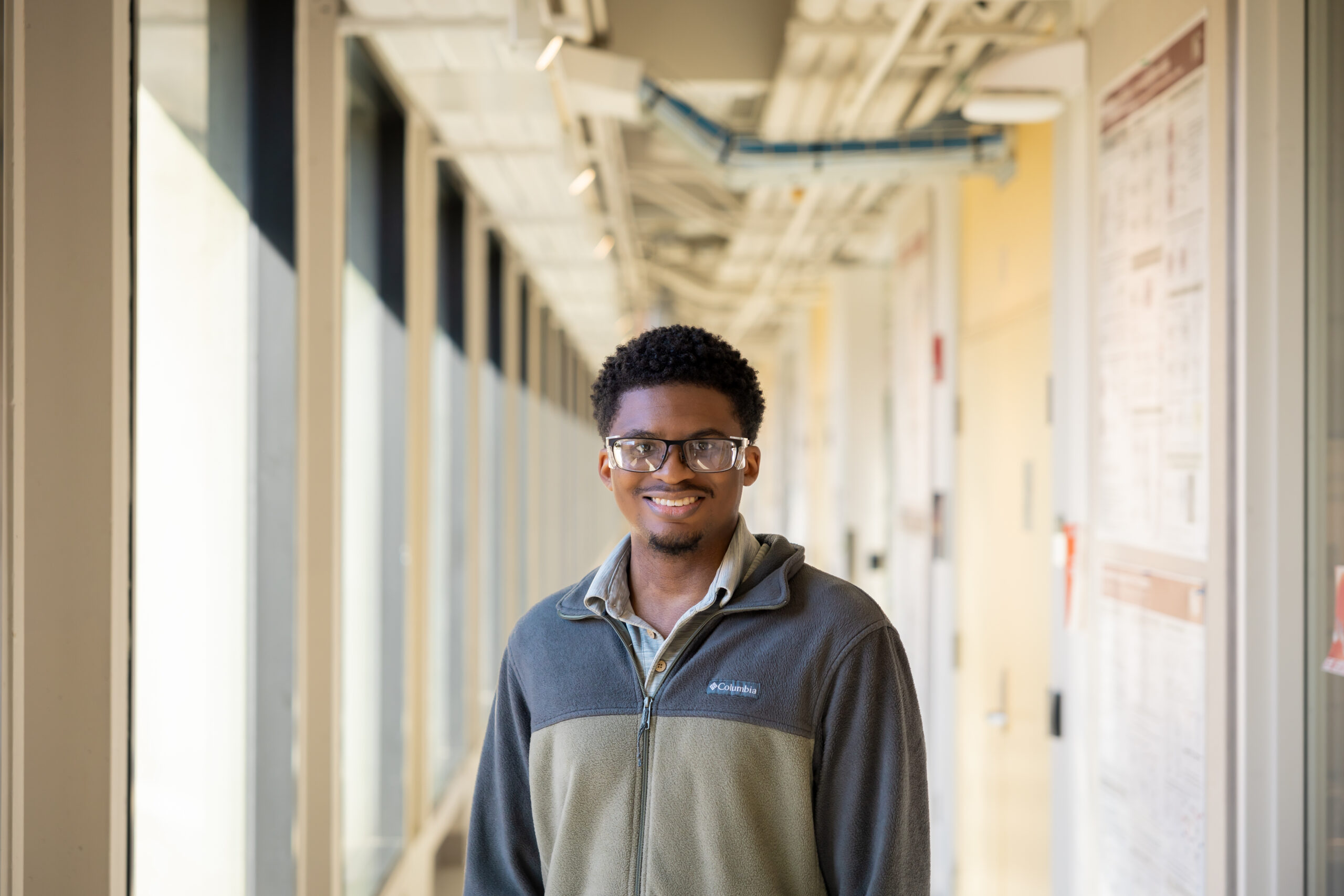
The shared DNA of the two programs is no coincidence. Cardinal Warde has been the Faculty Director of MITES for the past 27 years, and took the lessons of five decades of the transformative pre-college experience into account when envisioning an equivalent program in the Caribbean. Much like MITES, SPISE encourages its participants to develop a sense of belonging in STEM and to picture the possibilities at top schools; over the years, the program has added sessions with admissions officers from MIT, Columbia University, Princeton and U Penn. “SPISE changed my perspective of myself,” says Chenise Harper, a first-year student at MIT, currently interested in 6-5 Electrical Engineering With Computing. “It gave me the confidence to apply to universities I thought were completely out of my reach.”
Chenise Harper, who attended SPISE in 2023, says the program encouraged her to view herself as a scholar. “They had confidence in me and my ability and while it may have taken time for me to come to terms with that, I decided to believe in the ability of the accomplished personnel who reviewed my application. I am very glad that I did because now I am at MIT! What a dream!” Image credit: Frankie Schulte.
Harper’s trajectory is exactly what the designers of the program hoped for. “We have been very successful with the shorter-term goal of increasing the numbers of Caribbean students pursuing advanced degrees in STEM and grooming the next generation of STEM and business leaders in the Region,” says Dr. Dinah Sah SB ‘81, director of the program (and wife of Cardinal Warde). “We have SPISE graduates who have or are currently pursuing graduate degrees at the top universities around the world, including (but not limited to) MIT, Stanford, Harvard, Princeton, Dartmouth, Yale, Johns Hopkins, Carnegie Mellon, and Oxford, including a Rhodes Scholar. We fully believe that SPISE graduates represent part of the next generation of STEM and business leaders in the Caribbean and that SPISE has played a significant role in their trajectories.”
SPISE is championed by a power couple, Dr. Dinah Sah SB ‘81 and Prof. Cardinal Warde, who have collaborated to bring the transformational STEM experience to gifted Caribbean students for more than a decade now. Image credit: Frankie Schulte.
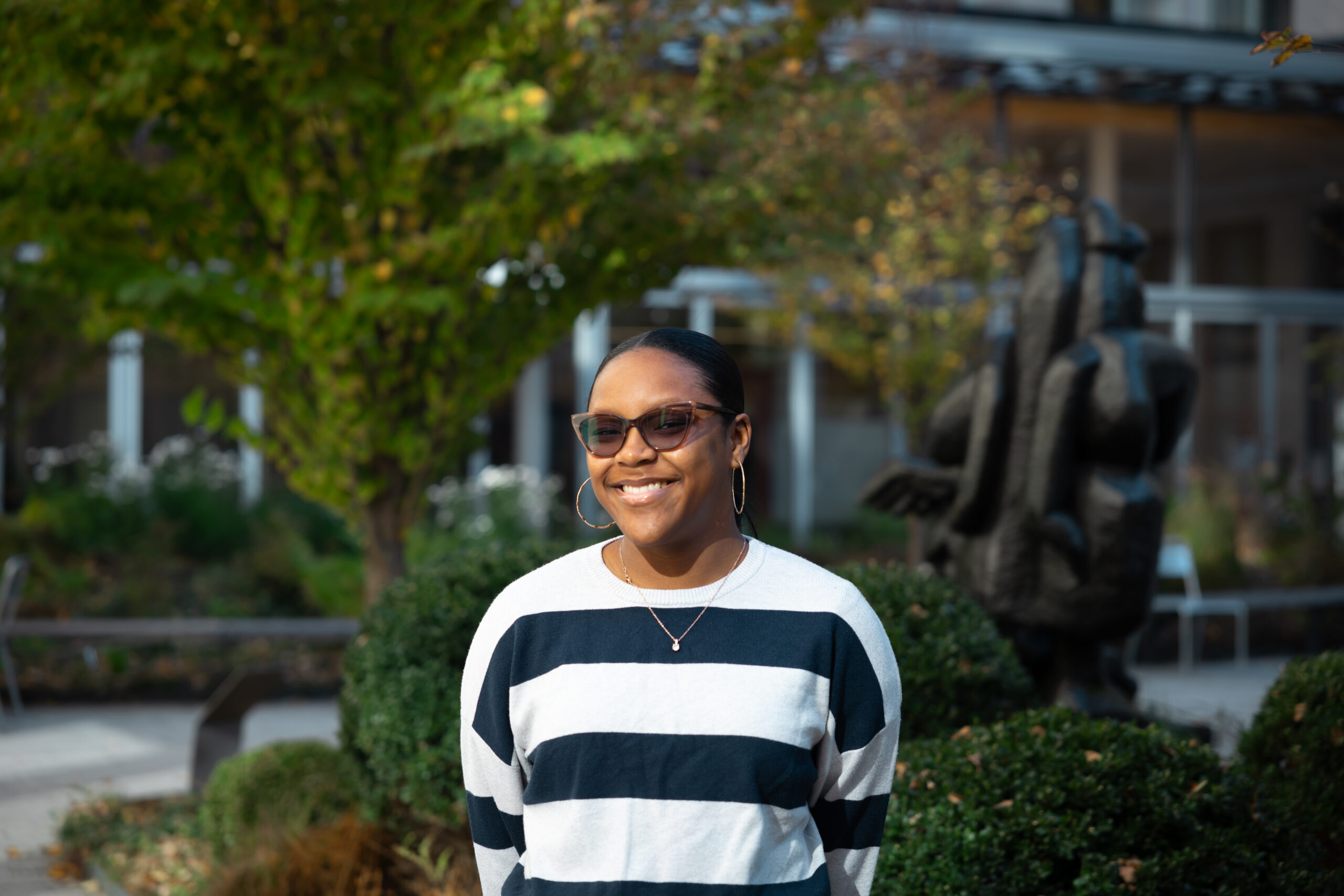
Notably, the SPISE program also includes an element of entrepreneurship, encouraging students to envision tech-based solutions to problems in their own backyards. Keonna Simon, who hails from St. Vincent and the Grenadines, developed a business pitch with other SPISE participants for an innovative “reverse vending machine”. “In the Caribbean, tourism is a key contributor to the economy, but littering is an issue that detracts from the beauty of our islands and harms our abundant marine life,” explains Simon, now a junior majoring in 6-7 Computer Science and Molecular Biology. “Our project aimed to tackle this by placing reverse vending machines in heavily polluted areas. People could deposit recyclable plastic bottles, and the machine would convert the weight of the plastic into cash rewards on a card, redeemable for discounts at supermarkets.”
Keonna Simon developed a full business model and competitive analysis while at SPISE, but she also encountered challenging hands-on projects, such as the creation of a magnetic levitation system for the electronics class taught by EECS professor Jacob White. “Before, I thought that success in certain subjects was mostly about natural aptitude. However, SPISE taught me that hard work is just as critical,” says Simon. “While I initially underestimated my abilities in physics and electronics, my persistent efforts culminated in impressive results. The experience helped me rediscover and redefine my potential.” Image credit: Frankie Schulte.
One SPISE alum, Quilee Simeon, decided to work on a renewable energy system at SPISE as a way of addressing global warming’s effects on his homeland of St. Lucia. “I chose to work on the renewable energy project, where we designed and built a prototype wind turbine using low-resource materials like PVC pipes. It was exciting because I thought it had real applications to developing island states like ours, where we don’t have an abundance of the manufacturing materials used in larger countries, and we are disproportionately affected by climate change,” says Simeon. “So building cheap and effective renewable energy resources was, in my view, an important problem to tackle.”
Quilee Simeon remembers his experience at SPISE fondly. “I slept very little during SPISE, but we all worked together to learn challenging new math and science. Electronics was especially difficult for me, but we had the greatest, funniest, craziest teacher who made it exciting. I wasn’t intimidated at SPISE because we all became instant friends, helped each other, and shared a lot of laughs from sleep-deprived delirium. I still consider my peers from SPISE some of my closest friends.” Image credit: Frankie Schulte.
As Simeon worked on his prototype turbine and tackled late nights with his new classmates at SPISE, he realized how different the experience was from his prior schooling. For most students, the summer program is a first time away from home–but for all, it is the first exposure to the firehose-like experience of tackling multiple college-level courses with simultaneous assignments and problem sets. “It was honestly a primer to MIT,” says Simeon. “They not only challenged us with rigorous math and science but also provided guidance on college applications and explained the vast opportunities a STEM degree could unlock. SPISE changed my view of myself as a scholar, though probably in an unexpected way. I thought I was smart before attending SPISE, but I realized how much I didn’t know and how many things were lacking or wrong with the style of education I had grown used to (rote learning, memorization, etc.). SPISE made me realize that being a scholar isn’t just about consuming knowledge—it’s about creating and applying it.”
In 2021, students worked from home due to the COVID-19 pandemic. The rigor of SPISE projects, however, remained high, thanks to the curriculum contributions of EECS professor Jacob White, among others. Here, students show off their maglev projects.
The difficulty of the SPISE curriculum is a deliberate choice, made to aid students in preparing for higher education, confirms Dr. Sah. “When we started SPISE in 2012, [we decided] to focus on teaching the fundamentals in each of the courses… The homework problems and the quizzes would require the application of these fundamentals to solving challenging problems. This is in distinct contrast to rote memorization of facts, which is the method of learning these students had generally been exposed to. So, yes, this was in fact a very deliberate choice and a critical change that we wanted to bring to these very high potential students in their approach to learning and thinking.”
MIT’s emphasis on creative, outside-the-box thinking was just the beginning of the culture shocks that awaited SPISE students who made the transition to an American university from the summer program. Many are surprised by the American students’ habit of referring to their professors by first name, which would be considered disrespectful at home. Conversely, small daily interactions in the Northeast can feel remote and chilly to Caribbean students. “Moving from a small island with just around 100,000 people to Harvard was initially jarring,” says Gerard Porter, who participated in SPISE in 2017 before attending Harvard for his undergraduate degree. “In my first year, I was often met with puzzled stares when I greeted strangers in an elevator or students in my dorm whom I did not know personally. I quickly learned that politeness meant something very different in the Northeastern United States compared to the warm Caribbean.”
Gerard Porter, now a graduate student in Chemistry at MIT, found community with other international students, including SPISE alumni in the Boston area, who “provided a much-needed piece of home.” Image credit: Frankie Schulte.
Other SPISE alumni report experiencing similar chilliness–literally. Quilee Simeon’s first winter in Cambridge was jarring. “I knew about the concept of winter and was told to expect cold weather, but I never actually knew how cold “cold” was until I felt it myself,” says Simeon. “That was terrible!” Ronaldo Lee, a first-year from Jamaica interested in computer science and electrical engineering, found warmth among fellow SPISE alumni here at MIT. “Nothing beats the tropical climate! But honestly, the community at MIT has been amazing. I was surprised by how quickly I felt comfortable, thanks to the incredible people around me. The Black and Caribbean community especially made me feel at home; I’ve met some truly fascinating, driven, and like-minded people who’ve become close friends. One of the biggest surprises was discovering how similar we all are, despite our different cultural backgrounds. Everyone here is incredibly smart and shares a common drive to make the world a better place and pursue exciting STEM projects.”
The common drive to improve the world through STEM is evident in the paths the SPISE alumni have taken.
Gerard Porter, now a graduate student in the Kiessling Group within the Department of Chemistry at MIT, conducts research “focusing on unraveling the biological roles of glycans that cover all cells on Earth. I work on developing chemical tools to study critical regions of the bacterial cell wall that have been relatively unexplored.” Porter hopes that learning more about the molecular mechanisms at play within cell walls will open the doorway to the development of novel antibiotics.
Quilee Simeon has discovered an affinity for computational neuroscience, and is currently developing a computational model of the C. elegans nervous system. “My hope is that this model organism will prove fruitful for computational neuroscience research as it has for biology,” says Simeon, who plans to work in industry after graduation.
Computational biology has also captured the attention of junior Keonna Simon, who is excited to take courses such as 6.8711: Computational Systems Biology: Deep Learning in the Life Sciences, saying, “This nexus holds a lot of potential for solving complex biological problems through computational methods, and I’m eager to dive deeper into that space!”
Chenise Harper found SPISE’s emphasis on bringing tech entrepreneurship home inspiring. “Living in the Caribbean has stimulated a dream of a future where robots are partners in rebuilding our community after natural disasters,” she says. “There are also so many issues that I would like to one day contribute to like climate change issues and even cybersecurity. Electrical Engineering with Computing is the kind of major that will allow me to at least touch on the areas I am interested in and allow me to explore both software and hardware concepts that excite me and will inspire me to develop a concrete way to give back to the community that has lifted me up to where I am now.”
Ronaldo Lee, who has developed an interest in power electronics, sees positive potential in green energy, both ecologically and economically. “There’s a real need to make energy accessible in underdeveloped communities, and I believe renewable energy has huge potential in the Caribbean.” Image credit: Frankie Schulte.
Ronaldo Lee also found his academic home in computer science and electrical engineering, fabricating and characterizing perovskite solar cells in his UROP and building a small offshore wind turbine for the Collegiate Wind Competition as part of the MIT WIND team. “I’d love to focus on the energy sector, particularly in improving the grid system and integrating renewable energy sources to ensure more reliable access,” says Lee. “I want to help make energy access more sustainable and inclusive, driving development for the region as a whole.”
Lee’s plans are perfectly in line with the long-term goals set by Warde and Sah as they planned SPISE. “Diversifying the economies of the Region and raising the standard of living by stimulating more technology-based entrepreneurship will take time,” says Sah. “We are optimistic that our SPISE graduates will, with time, change the world to make it a better place for all, including the Caribbean.”
Machine-learning models can fail when they try to make predictions for individuals who were underrepresented in the datasets they were trained on.
For instance, a model that predicts the best treatment option for someone with a chronic disease may be trained using a dataset that contains mostly male patients. That model might make incorrect predictions for female patients when deployed in a hospital.
To improve outcomes, engineers can try balancing the training dataset by removing data points until all subgroups are represented equally. While dataset balancing is promising, it often requires removing large amount of data, hurting the model’s overall performance.
MIT researchers developed a new technique that identifies and removes specific points in a training dataset that contribute most to a model’s failures on minority subgroups. By removing far fewer datapoints than other approaches, this technique maintains the overall accuracy of the model while improving its performance regarding underrepresented groups.
In addition, the technique can identify hidden sources of bias in a training dataset that lacks labels. Unlabeled data are far more prevalent than labeled data for many applications.
This method could also be combined with other approaches to improve the fairness of machine-learning models deployed in high-stakes situations. For example, it might someday help ensure underrepresented patients aren’t misdiagnosed due to a biased AI model.
“Many other algorithms that try to address this issue assume each datapoint matters as much as every other datapoint. In this paper, we are showing that assumption is not true. There are specific points in our dataset that are contributing to this bias, and we can find those data points, remove them, and get better performance,” says Kimia Hamidieh, an electrical engineering and computer science (EECS) graduate student at MIT and co-lead author of a paper on this technique.
She wrote the paper with co-lead authors Saachi Jain PhD ’24 and fellow EECS graduate student Kristian Georgiev; Andrew Ilyas MEng ’18, PhD ’23, a Stein Fellow at Stanford University; and senior authors Marzyeh Ghassemi, an associate professor in EECS and a member of the Institute of Medical Engineering Sciences and the Laboratory for Information and Decision Systems, and Aleksander Madry, the Cadence Design Systems Professor at MIT. The research will be presented at the Conference on Neural Information Processing Systems.
Removing bad examples
Often, machine-learning models are trained using huge datasets gathered from many sources across the internet. These datasets are far too large to be carefully curated by hand, so they may contain bad examples that hurt model performance.
Scientists also know that some data points impact a model’s performance on certain downstream tasks more than others.
The MIT researchers combined these two ideas into an approach that identifies and removes these problematic datapoints. They seek to solve a problem known as worst-group error, which occurs when a model underperforms on minority subgroups in a training dataset.
The researchers’ new technique is driven by prior work in which they introduced a method, called TRAK, that identifies the most important training examples for a specific model output.
For this new technique, they take incorrect predictions the model made about minority subgroups and use TRAK to identify which training examples contributed the most to that incorrect prediction.
“By aggregating this information across bad test predictions in the right way, we are able to find the specific parts of the training that are driving worst-group accuracy down overall,” Ilyas explains.
Then they remove those specific samples and retrain the model on the remaining data.
Since having more data usually yields better overall performance, removing just the samples that drive worst-group failures maintains the model’s overall accuracy while boosting its performance on minority subgroups.
A more accessible approach
Across three machine-learning datasets, their method outperformed multiple techniques. In one instance, it boosted worst-group accuracy while removing about 20,000 fewer training samples than a conventional data balancing method. Their technique also achieved higher accuracy than methods that require making changes to the inner workings of a model.
Because the MIT method involves changing a dataset instead, it would be easier for a practitioner to use and can be applied to many types of models.
It can also be utilized when bias is unknown because subgroups in a training dataset are not labeled. By identifying datapoints that contribute most to a feature the model is learning, they can understand the variables it is using to make a prediction.
“This is a tool anyone can use when they are training a machine-learning model. They can look at those datapoints and see whether they are aligned with the capability they are trying to teach the model,” says Hamidieh.
Using the technique to detect unknown subgroup bias would require intuition about which groups to look for, so the researchers hope to validate it and explore it more fully through future human studies.
They also want to improve the performance and reliability of their technique and ensure the method is accessible and easy-to-use for practitioners who could someday deploy it in real-world environments.
“When you have tools that let you critically look at the data and figure out which datapoints are going to lead to bias or other undesirable behavior, it gives you a first step toward building models that are going to be more fair and more reliable,” Ilyas says.
This work is funded, in part, by the National Science Foundation and the U.S. Defense Advanced Research Projects Agency.
For roboticists, one challenge towers above all others: generalization — the ability to create machines that can adapt to any environment or condition. Since the 1970s, the field has evolved from writing sophisticated programs to using deep learning, teaching robots to learn directly from human behavior. But a critical bottleneck remains: data quality. To improve, robots need to encounter scenarios that push the boundaries of their capabilities, operating at the edge of their mastery. This process traditionally requires human oversight, with operators carefully challenging robots to expand their abilities. As robots become more sophisticated, this hands-on approach hits a scaling problem: the demand for high-quality training data far outpaces humans’ ability to provide it.
Now, a team of MIT Computer Science and Artificial Intelligence Laboratory (CSAIL) researchers has developed a novel approach to robot training that could significantly accelerate the deployment of adaptable, intelligent machines in real-world environments. The new system, called “LucidSim,” uses recent advances in generative AI and physics simulators to create diverse and realistic virtual training environments, helping robots achieve expert-level performance in difficult tasks without any real-world data.
LucidSim: Can Robots Learn from Machine Dreams? Video: MIT CSAIL
LucidSim combines physics simulation with generative AI models, addressing one of the most persistent challenges in robotics: transferring skills learned in simulation to the real world. “A fundamental challenge in robot learning has long been the ‘sim-to-real gap’ — the disparity between simulated training environments and the complex, unpredictable real world,” says MIT CSAIL postdoc Ge Yang, a lead researcher on LucidSim. “Previous approaches often relied on depth sensors, which simplified the problem but missed crucial real-world complexities.”
The multipronged system is a blend of different technologies. At its core, LucidSim uses large language models to generate various structured descriptions of environments. These descriptions are then transformed into images using generative models. To ensure that these images reflect real-world physics, an underlying physics simulator is used to guide the generation process.
The birth of an idea: From burritos to breakthroughs
The inspiration for LucidSim came from an unexpected place: a conversation outside Beantown Taqueria in Cambridge, Massachusetts. “We wanted to teach vision-equipped robots how to improve using human feedback. But then, we realized we didn’t have a pure vision-based policy to begin with,” says Alan Yu, an undergraduate student in electrical engineering and computer science (EECS) at MIT and co-lead author on LucidSim. “We kept talking about it as we walked down the street, and then we stopped outside the taqueria for about half-an-hour. That’s where we had our moment.”
To cook up their data, the team generated realistic images by extracting depth maps, which provide geometric information, and semantic masks, which label different parts of an image, from the simulated scene. They quickly realized, however, that with tight control on the composition of the image content, the model would produce similar images that weren’t different from each other using the same prompt. So, they devised a way to source diverse text prompts from ChatGPT.
This approach, however, only resulted in a single image. To make short, coherent videos that serve as little “experiences” for the robot, the scientists hacked together some image magic into another novel technique the team created, called “Dreams In Motion.” The system computes the movements of each pixel between frames, to warp a single generated image into a short, multi-frame video. Dreams In Motion does this by considering the 3D geometry of the scene and the relative changes in the robot’s perspective.
“We outperform domain randomization, a method developed in 2017 that applies random colors and patterns to objects in the environment, which is still considered the go-to method these days,” says Yu. “While this technique generates diverse data, it lacks realism. LucidSim addresses both diversity and realism problems. It’s exciting that even without seeing the real world during training, the robot can recognize and navigate obstacles in real environments.”
The team is particularly excited about the potential of applying LucidSim to domains outside quadruped locomotion and parkour, their main test bed. One example is mobile manipulation, where a mobile robot is tasked to handle objects in an open area; also, color perception is critical. “Today, these robots still learn from real-world demonstrations,” says Yang. “Although collecting demonstrations is easy, scaling a real-world robot teleoperation setup to thousands of skills is challenging because a human has to physically set up each scene. We hope to make this easier, thus qualitatively more scalable, by moving data collection into a virtual environment.”
Who’s the real expert?
The team put LucidSim to the test against an alternative, where an expert teacher demonstrates the skill for the robot to learn from. The results were surprising: Robots trained by the expert struggled, succeeding only 15 percent of the time — and even quadrupling the amount of expert training data barely moved the needle. But when robots collected their own training data through LucidSim, the story changed dramatically. Just doubling the dataset size catapulted success rates to 88 percent. “And giving our robot more data monotonically improves its performance — eventually, the student becomes the expert,” says Yang.
“One of the main challenges in sim-to-real transfer for robotics is achieving visual realism in simulated environments,” says Stanford University assistant professor of electrical engineering Shuran Song, who wasn’t involved in the research. “The LucidSim framework provides an elegant solution by using generative models to create diverse, highly realistic visual data for any simulation. This work could significantly accelerate the deployment of robots trained in virtual environments to real-world tasks.”
From the streets of Cambridge to the cutting edge of robotics research, LucidSim is paving the way toward a new generation of intelligent, adaptable machines — ones that learn to navigate our complex world without ever setting foot in it.
Yu and Yang wrote the paper with four fellow CSAIL affiliates: Ran Choi, an MIT postdoc in mechanical engineering; Yajvan Ravan, an MIT undergraduate in EECS; John Leonard, the Samuel C. Collins Professor of Mechanical and Ocean Engineering in the MIT Department of Mechanical Engineering; and Phillip Isola, an MIT associate professor in EECS. Their work was supported, in part, by a Packard Fellowship, a Sloan Research Fellowship, the Office of Naval Research, Singapore’s Defence Science and Technology Agency, Amazon, MIT Lincoln Laboratory, and the National Science Foundation Institute for Artificial Intelligence and Fundamental Interactions. The researchers presented their work at the Conference on Robot Learning (CoRL) in early November.
Four members of the Department of EECS were named to the 2024 cohort of AI2050 Fellows: Sara Beery, Gabriele Farina, Marzyeh Ghassemi, and Yoon Kim. The honor is announced annually by Schmidt Sciences, Eric and Wendy Schmidt’s philanthropic initiative that aims to accelerate scientific innovation.
Sara Beery is an Assistant Professor in EECS and a principal investigator in the Computer Science and Artificial Intelligence Laboratory (CSAIL). Beery’s work focuses on building computer vision methods that enable global-scale environmental and biodiversity monitoring across data modalities and tackling real-world challenges, including strong spatiotemporal correlations, imperfect data quality, fine-grained categories, and long-tailed distributions. She collaborates with nongovernmental organizations and government agencies to deploy her methods worldwide and works toward increasing the diversity and accessibility of academic research in artificial intelligence through interdisciplinary capacity-building and education. Beery earned a BS in electrical engineering and mathematics from Seattle University and a PhD in computing and mathematical sciences from Caltech, where she was honored with the Amori Prize for her outstanding dissertation.
Gabriele Farina is an Assistant Professor in EECS and a principal investigator in the Laboratory for Information and Decision Systems (LIDS). Farina’s work lies at the intersection of artificial intelligence, computer science, operations research, and economics. Specifically, he focuses on learning and optimization methods for sequential decision-making and convex-concave saddle point problems, with applications to equilibrium finding in games. Farina also studies computational game theory and recently served as co-author on a Science study about combining language models with strategic reasoning. He is a recipient of a NeurIPS Best Paper Award and was a Facebook Fellow in economics and computer science. His dissertation was recognized with the 2023 ACM SIGecom Doctoral Dissertation Award and one of the two 2023 ACM Dissertation Award Honorable Mentions, among others.
Marzyeh Ghassemi is an Associate Professor in the Department of EECS and the Institute for Medical Engineering and Science (IMES), and principal investigator at CSAIL and LIDS. She is also affiliated with the Jameel Clinic and with the Institute for Data, Systems, and Society (IDSS). Ghassemi’s research in the Healthy ML Group creates a rigorous quantitative framework in which to design, develop and place ML models in a way that is robust and fair, focusing on health settings. Her contributions range from socially-aware model construction; to improving subgroup- and shift-robust learning methods; to identifying important insights in model deployment scenarios that have implications in policy, health practice and equity. Among other awards, Ghassemi has been named one of MIT Tech Review’s 35 Innovators Under 35; and has been awarded the 2018 Seth J. Teller Award, the 2023 MIT Prize for Open Data, a 2024 NSF CAREER Award, and the Google Research Scholar Award. She founded the non-profit Association for Health, Inference and Learning (AHLI) and her work has been featured in popular press such as Forbes, Fortune, MIT News, and The Huffington Post.
Yoon Kim is an Assistant Professor in EECS and a principal investigator in CSAIL. Kim’s work straddles the intersection between natural language processing and machine learning, and touches upon efficient training and deployment of large-scale models, learning from small data, neuro-symbolic approaches, grounded language learning, and connections between computational and human language processing. Affiliated with CSAIL, Kim earned his PhD in computer science at Harvard University; his MS in Data Science from New York University; his MA in Statistics from Columbia University; and his BA in both Math and Economics from Cornell.
Conceived and co-chaired by Eric Schmidt and James Manyika, AI2050 is a philanthropic initiative aimed at helping to solve hard problems in AI. Within their research, each fellow will contend with the central motivating question of AI2050:
“It’s 2050. AI has turned out to be hugely beneficial to society. What happened? What are the most important problems we solved and the opportunities and possibilities we realized to ensure this outcome?”
On Nov. 10, some of the country’s top memorizers converged on MIT’s Kresge Auditorium to compete in a “Tournament of Memory Champions” in front of a live audience.
The competition was split into four events: long-term memory, words-to-remember, auditory memory, and double-deck of cards, in which competitors must memorize the exact order of two decks of cards. In between the events, MIT faculty who are experts in the science of memory provided short talks and demos about memory and how to improve it. Among the competitors was MIT’s own Claire Wang, a sophomore majoring in electrical engineering and computer science. Wang has competed in memory sports for years, a hobby that has taken her around the world to learn from some of the best memorists on the planet. At the tournament, she tied for first place in the words-to-remember competition.
The event commemorated the 25th anniversary of the USA Memory Championship Organization (USAMC). USAMC sponsored the event in partnership with MIT’s McGovern Institute for Brain Research, the Department of Brain and Cognitive Sciences, the MIT Quest for Intelligence, and the company Lumosity.
MIT News sat down with Wang to learn more about her experience with memory competitions — and see if she had any advice for those of us with less-than-amazing memory skills.
Q: How did you come to get involved in memory competitions?
A: When I was in middle school, I read the book “Moonwalking with Einstein,” which is about a journalist’s journey from average memory to being named memory champion in 2006. My parents were also obsessed with this TV show where people were memorizing decks of cards and performing other feats of memory. I had already known about the concept of “memory palaces,” so I was inspired to explore memory sports. Somehow, I convinced my parents to let me take a gap year after seventh grade, and I travelled the world going to competitions and learning from memory grandmasters. I got to know the community in that time and I got to build my memory system, which was really fun. I did a lot less of those competitions after that year and some subsequent competitions with the USA memory competition, but it’s still fun to have this ability.
Q: What was the Tournament of Memory Champions like?
A: USAMC invited a lot of winners from previous years to compete, which was really cool. It was nice seeing a lot of people I haven’t seen in years. I didn’t compete in every event because I was too busy to do the long-term memory, which takes you two weeks of memorization work. But it was a really cool experience. I helped a bit with the brainstorming beforehand because I know one of the professors running it. We thought about how to give the talks and structure the event.
Then I competed in the words event, which is when they give you 300 words over 15 minutes, and the competitors have to recall each one in order in a round robin competition. You got two strikes. A lot of other competitions just make you write the words down. The round robin makes it more fun for people to watch. I tied with someone else — I made a dumb mistake — so I was kind of sad in hindsight, but being tied for first is still great.
Since I hadn’t done this in a while (and I was coming back from a trip where I didn’t get much sleep), I was a bit nervous that my brain wouldn’t be able to remember anything, and I was pleasantly surprised I didn’t just blank on stage. Also, since I hadn’t done this in a while, a lot of my loci and memory palaces were forgotten, so I had to speed-review them before the competition. The words event doesn’t get easier over time — it’s just 300 random words (which could range from “disappointment” to “chair”) and you just have to remember the order.
Q: What is your approach to improving memory?
A: The whole idea is that we memorize images, feelings, and emotions much better than numbers or random words. The way it works in practice is we make an ordered set of locations in a “memory palace.” The palace could be anything. It could be a campus or a classroom or a part of a room, but you imagine yourself walking through this space, so there’s a specific order to it, and in every location I place certain information. This is information related to what I’m trying to remember. I have pictures I associate with words and I have specific images I correlate with numbers. Once you have a correlated image system, all you need to remember is a story, and then when you recall, you translate that back to the original information.
Doing memory sports really helps you with visualization, and being able to visualize things faster and better helps you remember things better. You start remembering with spaced repetition that you can talk yourself through. Allowing things to have an emotional connection is also important, because you remember emotions better. Doing memory competitions made me want to study neuroscience and computer science at MIT.
The specific memory sports techniques are not as useful in everyday life as you’d think, because a lot of the information we learn is more operative and requires intuitive understanding, but I do think they help in some ways. First, sometimes you have to initially remember things before you can develop a strong intuition later. Also, since I have to get really good at telling a lot of stories over time, I have gotten great at visualization and manipulating objects in my mind, which helps a lot.