


The electrical engineering and nanotechnology leader will guide the US Army-sponsored research center as it advances next-generation materials, electronics, and photonics for national security.
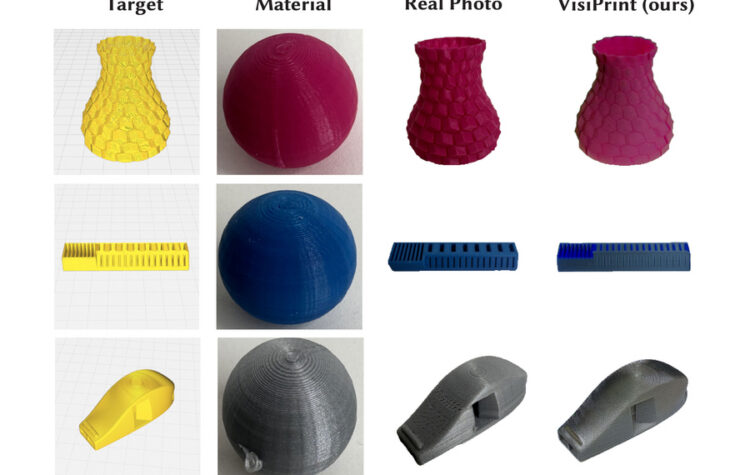
Preview tool helps makers visualize 3D-printed objects
By quickly generating aesthetically accurate previews of fabricated objects, the VisiPrint system could make prototyping faster and less wasteful.
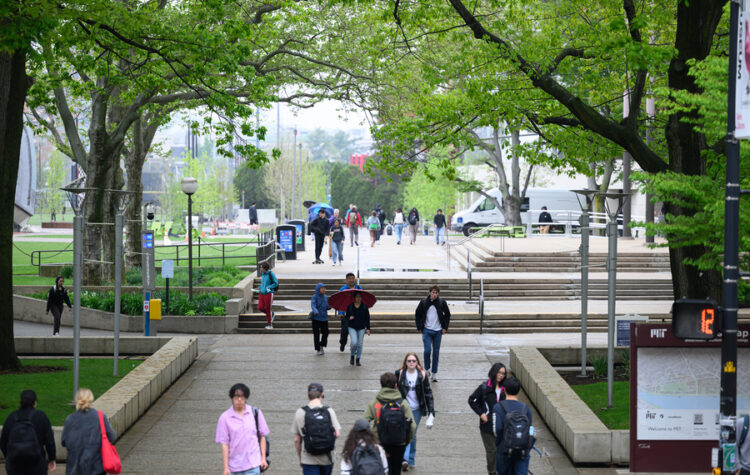
The Institute also ranks second in seven subject areas.
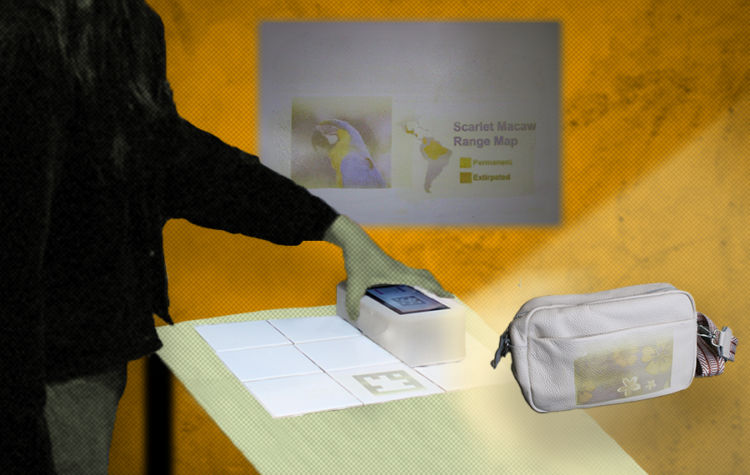
The portable “ChromoLCD” device combines LCD and LED lighting to customize high-quality designs onto things like shirts and whiteboards.
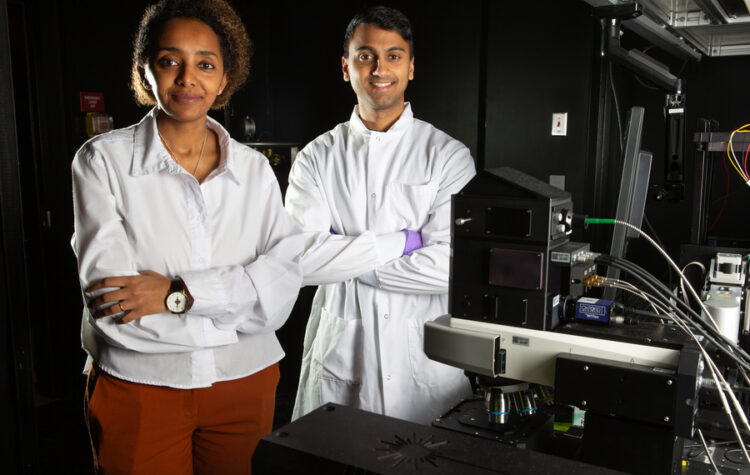
New sensor sniffs out pneumonia on a patient’s breath
The technology could enable fast, point-of-care diagnoses for pneumonia and other lung conditions.
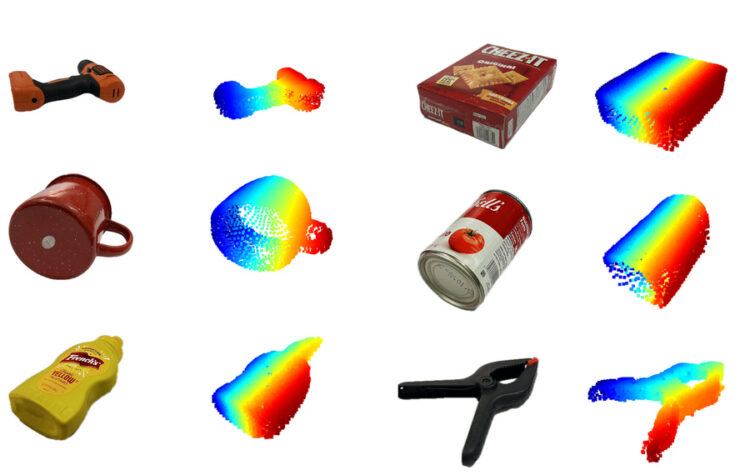
With this new technique, a robot could more accurately detect hidden objects or understand an indoor scene using reflected Wi-Fi signals.

This new metric for measuring uncertainty could flag hallucinations and help users know whether to trust an AI model.
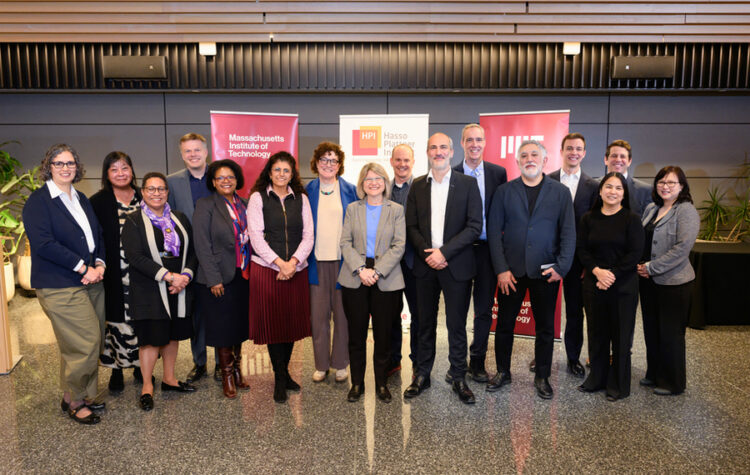
Jointly led by the MIT Morningside Academy for Design, MIT Schwarzman College of Computing, and the Hasso Plattner Institute in Potsdam, the hub will foster a dynamic community where computing, creativity, and human-centered innovation meet.

Department of EECS Announces 2025 Promotions
The Department is delighted to announce the following promotions to Associate, and Full, Professor.
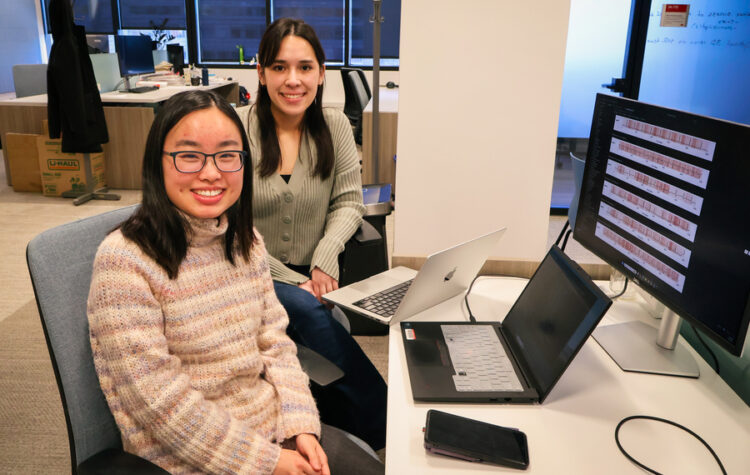
Researchers at MIT, Mass General Brigham, and Harvard Medical School developed a deep-learning model to forecast a patient’s heart failure prognosis up to a year in advance.