

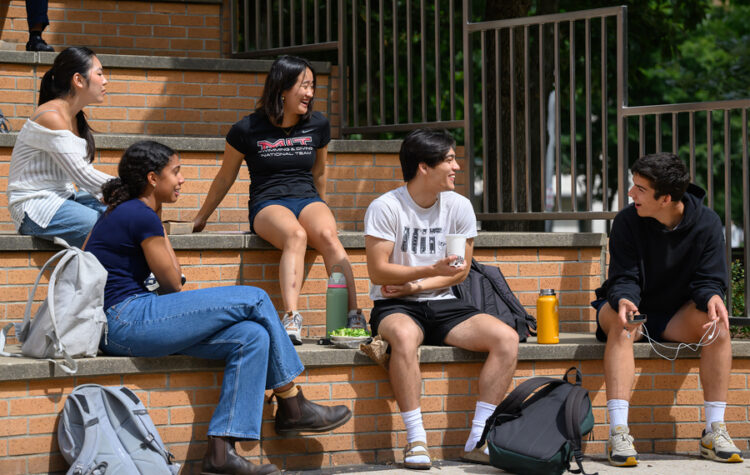
The Institute’s undergraduate engineering, computer science, and economics programs are No. 1; its business program is No. 2.
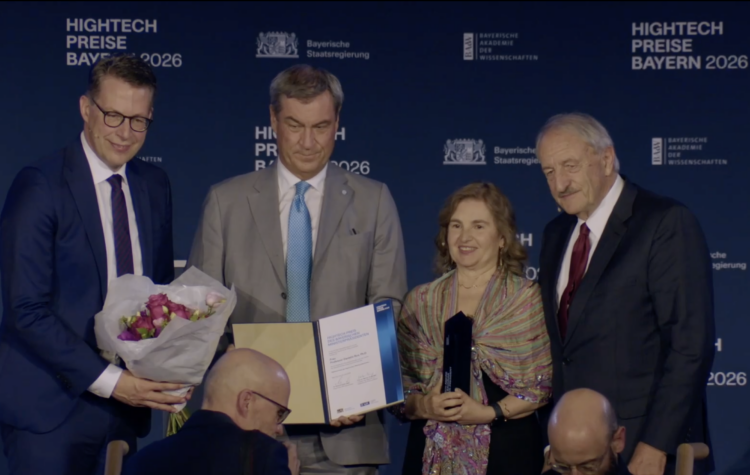
Awarded jointly by the Bavarian State Government and the Bavarian Academy of Sciences and Humanities, it is the most highly endowed award for technology and engineering in Germany.
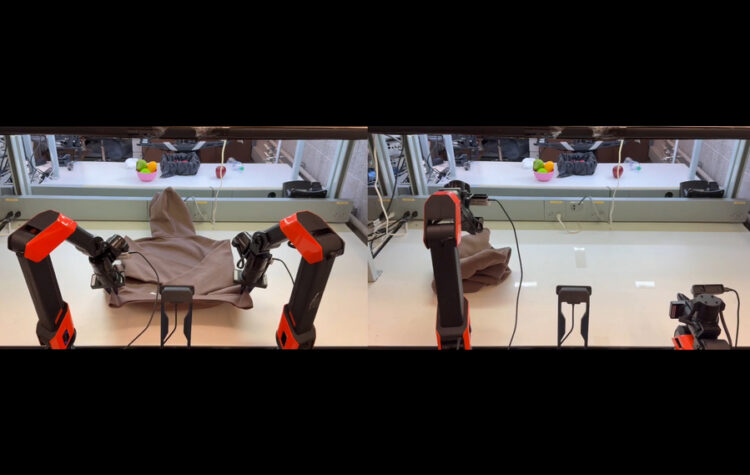
By planning actions based on the future position of a robot, the VLASH technique streamlines motions and accelerates performance.
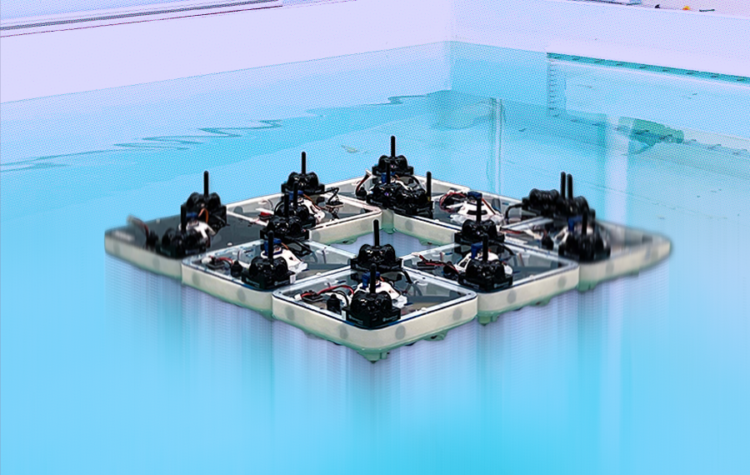
MIT researchers developed FloatForm, a swarm of small aquatic robots that snap together like ants forming a raft, assembling into reconfigurable structures on the water.
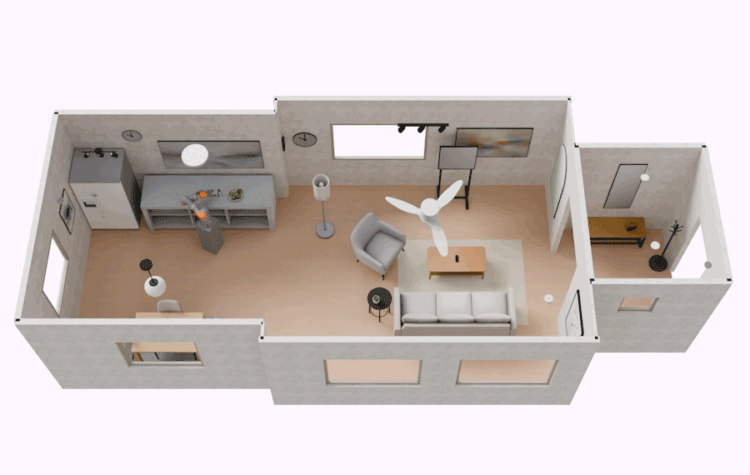
“SceneSmith” system uses collaborative AI agents to create realistic 3D environments of places like kitchens, hotels, and living rooms, where robots can simulate everyday chores.
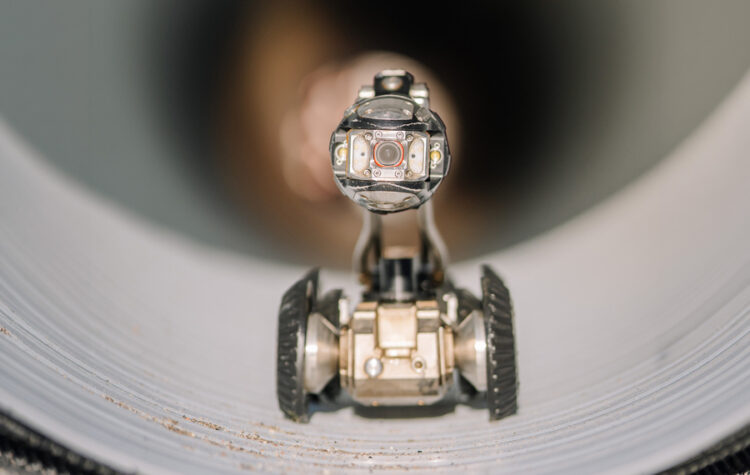
Researchers combined an efficient algorithm with dedicated hardware to rapidly generate 3D maps for navigation using minimal memory and power.

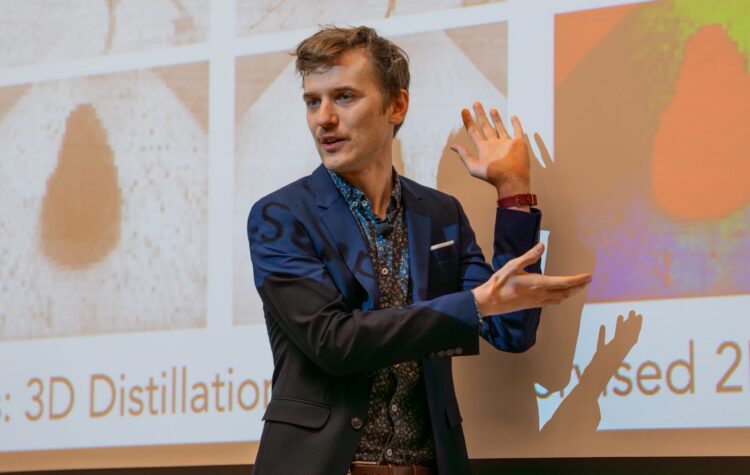
The award is given annually to an outstanding contributor to education from among the faculty members who are being proposed for promotion to associate professor without tenure.
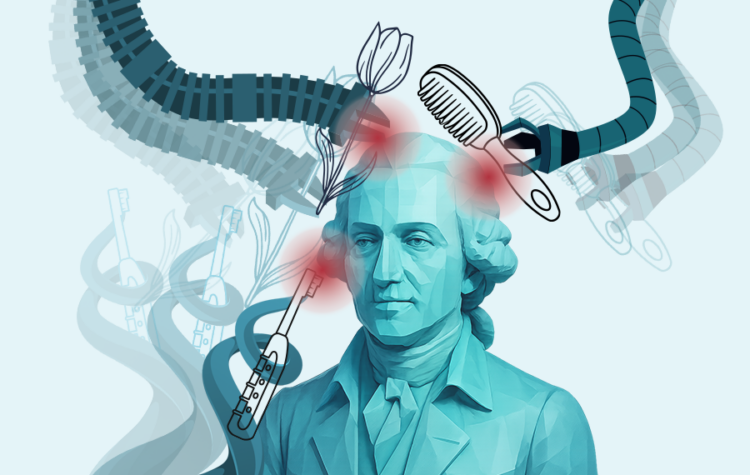
MIT CSAIL and LIDS researchers developed a mathematically grounded system that lets soft robots deform, adapt, and interact with people and objects, without violating safety limits.
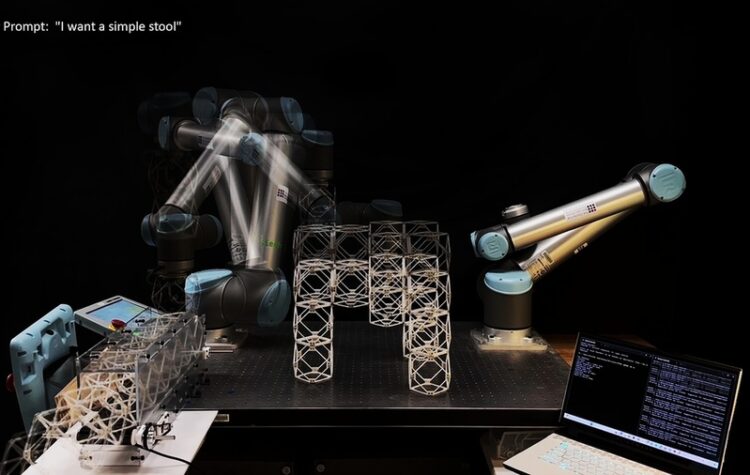
The speech-to-reality system combines 3D generative AI and robotic assembly to create objects on demand.