

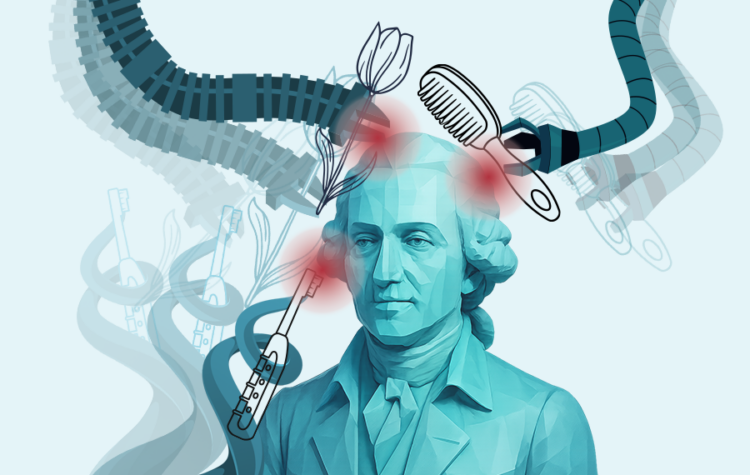
MIT CSAIL and LIDS researchers developed a mathematically grounded system that lets soft robots deform, adapt, and interact with people and objects, without violating safety limits.
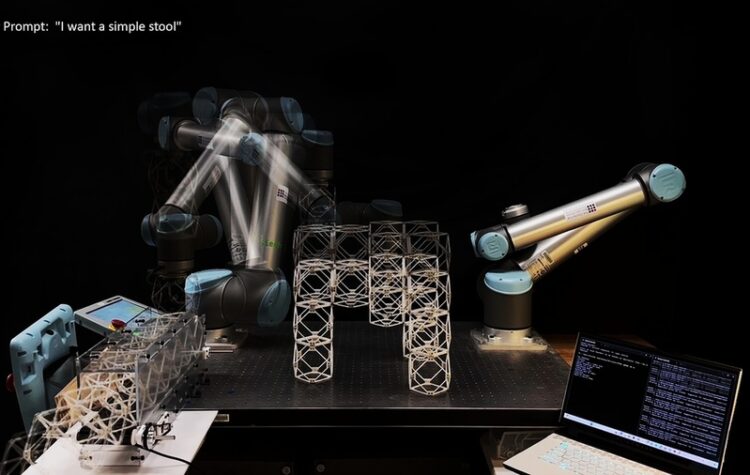
The speech-to-reality system combines 3D generative AI and robotic assembly to create objects on demand.

From robotics to apps like “NerdXing,” senior Julianna Schneider is building technologies to solve problems in her community.
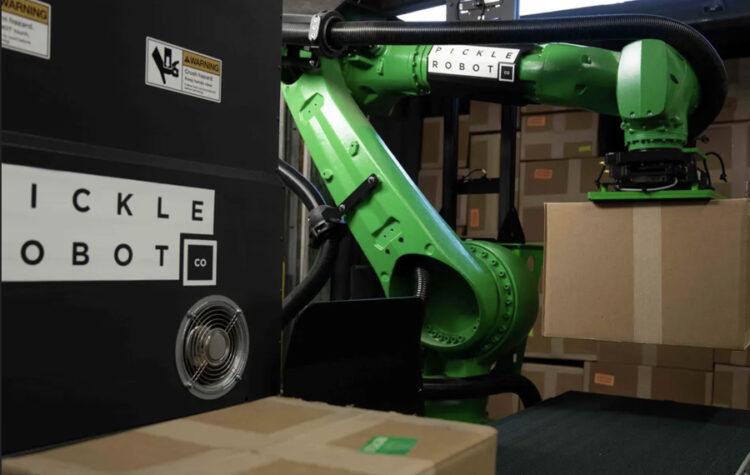
Founded by MIT alumni, the Pickle Robot Company has developed machines that can autonomously load and unload trucks inside warehouses and logistic centers.
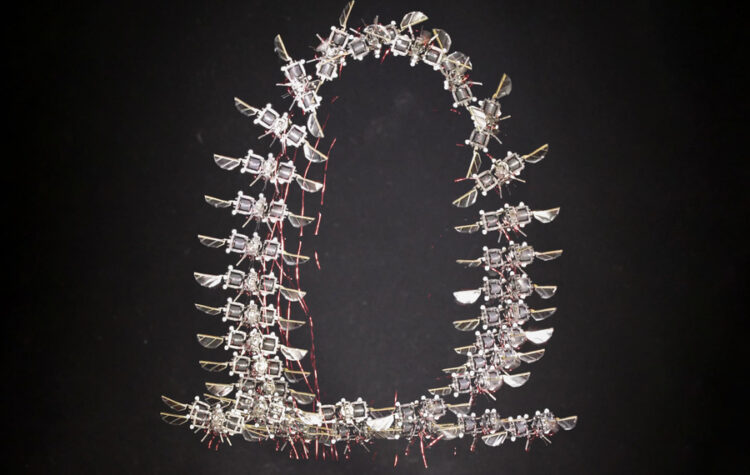
With insect-like speed and agility, the tiny robot could someday aid in search-and-rescue missions.

Agrawal received the award for his work in “robot learning, self-supervised and sim-to-real policy learning, agile locomotion, and dexterous manipulation,” according to the organization.
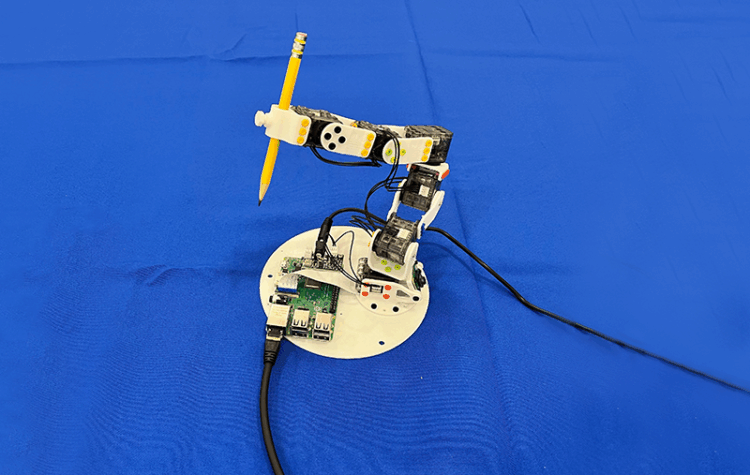
Neural Jacobian Fields, developed by MIT CSAIL researchers, can learn to control any robot from a single camera, without any other sensors.

The PhysicsGen system, developed by MIT researchers, helps robots handle items in homes and factories by tailoring training data to a particular machine.
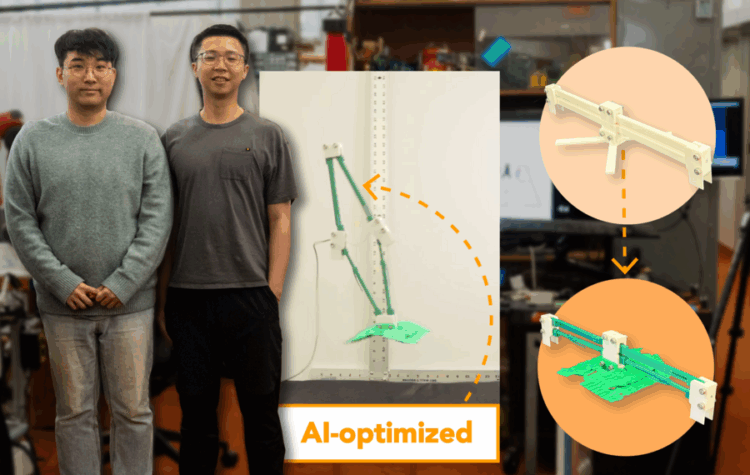
MIT CSAIL researchers combined GenAI and a physics simulation engine to refine robot designs. The result: a machine that out-jumped a robot designed by humans.
Thesis Defense: Robot Guidance ControlSpeaker: Ravi TejwaniAbstract: When human instructors guide learners through motor tasks, they naturally coordinate physical touch with verbal explanations – yet robots applying physical…