

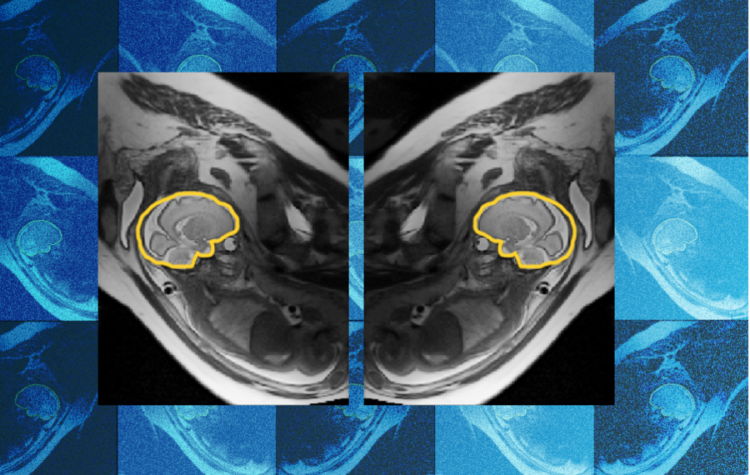
A model developed by researchers at MIT and Boston Children’s Hospital adjusts scans on the fly to track fetal movement, potentially sparing families repeat hospital visits.
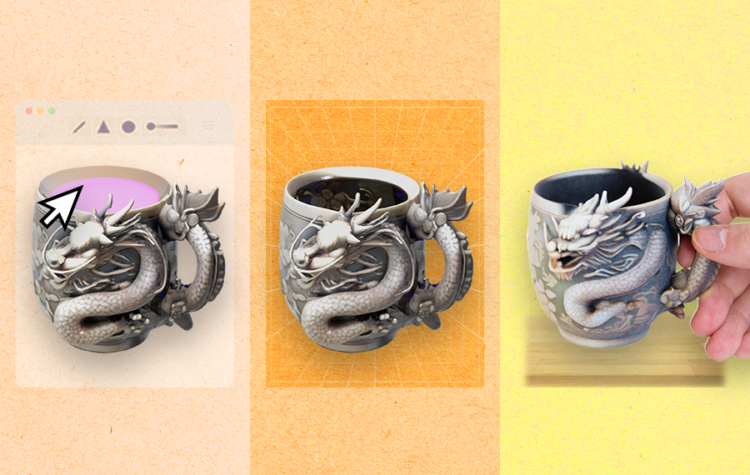
“InstructMesh” can generate designs for everyday objects that are easy to edit and fabricate for both experts and newcomers to 3D modeling.
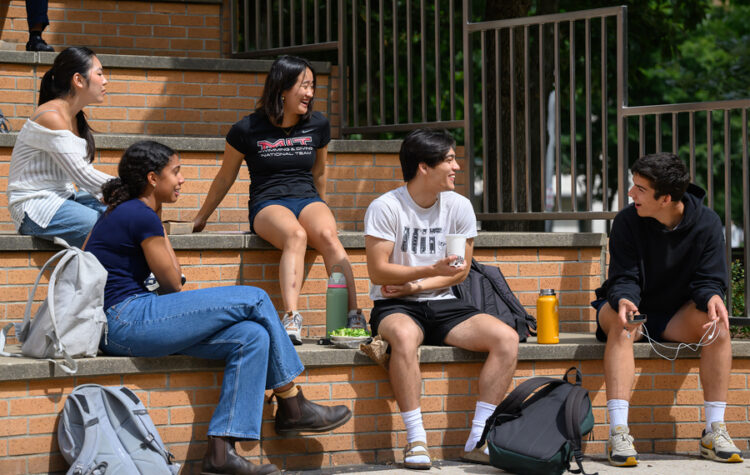
The Institute’s undergraduate engineering, computer science, and economics programs are No. 1; its business program is No. 2.
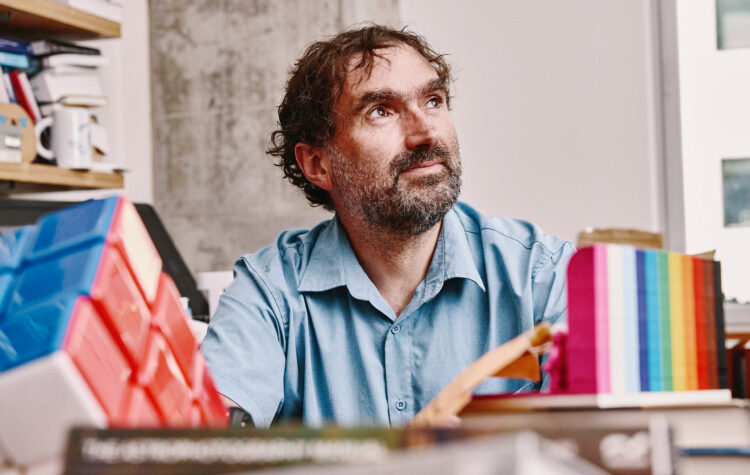
Fredo Durand, the Amar Bose Professor of Computing in EECS, explores the limitless possibilities for synthetic images
Doctoral Thesis Title: Tablet-Based Eye Tracking for Scalable Neurological AssessmentPresenter: Jamie KoernerPresenter’s Affiliation: RLEThesis Supervisors: Prof. Thomas Heldt and Prof. Vivienne SzeDate: Thursday, August 20, 2026Time: 12–1 p.m.…
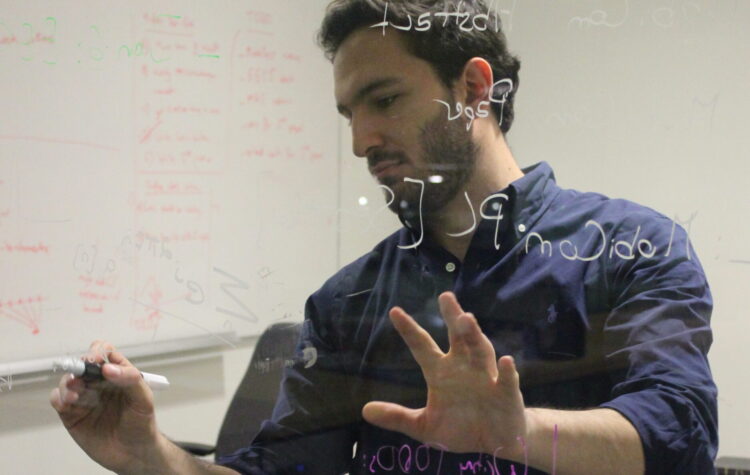
Wireless sensing technologies from the Signal Kinetics group are now deployed in hospitals, homes, and retail environments worldwide.

Faculty member in electrical engineering and computer science to focus on innovation in engineering education and new pedagogical approaches.

A new debiasing technique called WRING avoids creating or amplifying biases that can occur with existing debiasing approaches.
Candidate: Marianne Rakic Title: Learning Possibilities: Stochastic Models for Vision Abstract: When asking a question about visual data, there is often no single right answer. Input images can…

MIT Sea Grant works with the Woodwell Climate Research Center and other collaborators to demonstrate a deep learning-based system for fish monitoring.