

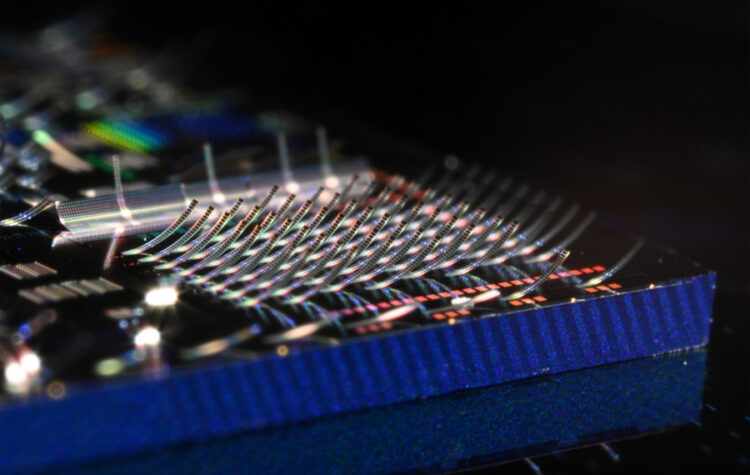
Light-emitting structures that curl off the chip surface could enable advanced displays, high-speed optical communications, and larger-scale quantum computers.
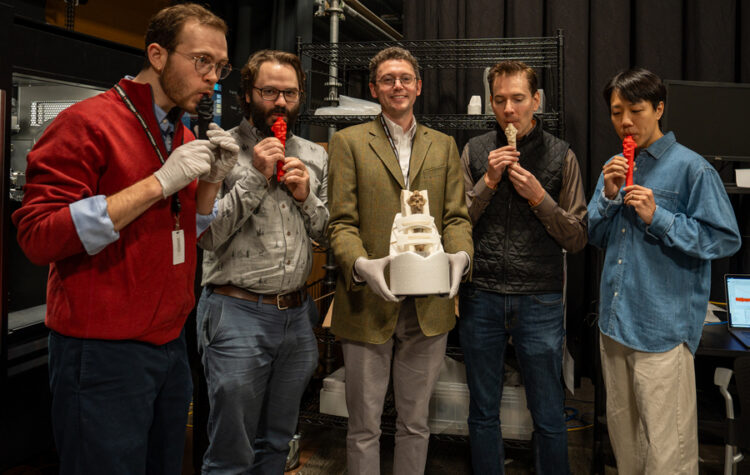
Through an interdisciplinary collaboration between MIT and the Museum of Fine Arts, Boston, researchers are creating playable physical and synthesized replicas.
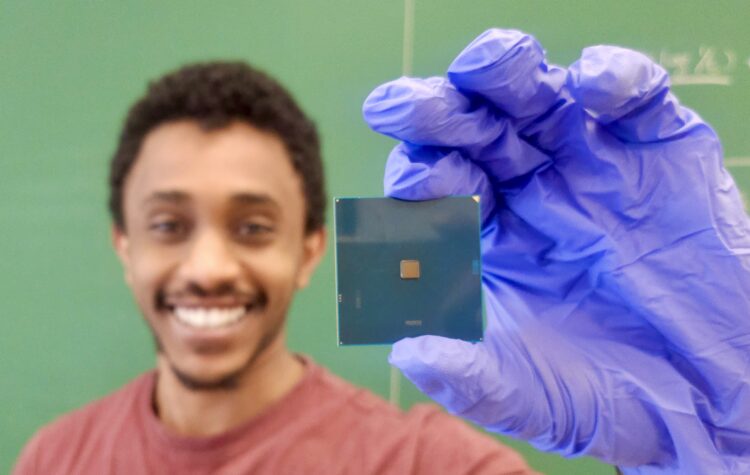
One year into the new 6-5 degree program, students are discovering the joy of hands-on electrical engineering.
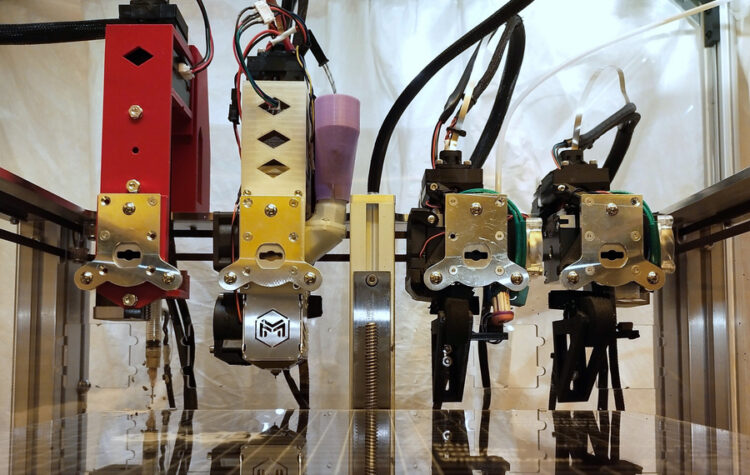
Overcoming challenges of 3D printing with multiple functional materials, MIT researchers fabricated an electric linear motor in hours.

By stacking multiple active components based on new materials on the back end of a computer chip, this new approach reduces the amount of energy wasted during computation.

Mariana Popescu
Assistant Professor, shared appointment with Department of Architecture; Class of 1942 Career Development Professor [AI+D]
617-324-7787
Office: 7-403b

The low-cost, scalable technology can seamlessly integrate high-speed gallium nitride transistors onto a standard silicon chip.
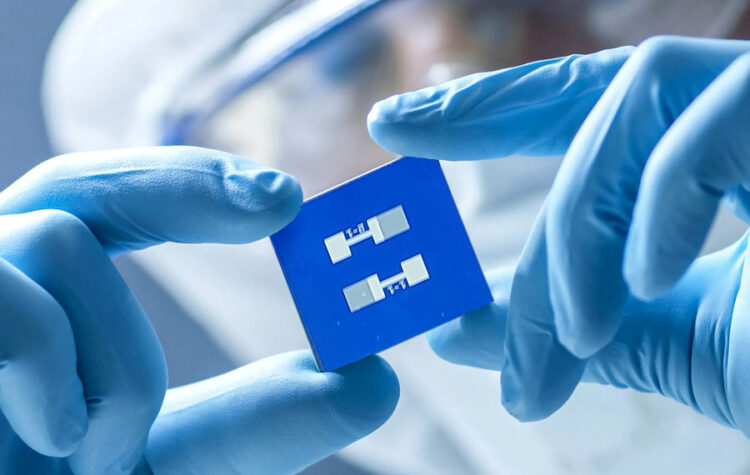
Protein sensor developed by alumna-founded Advanced Silicon Group can be used for research and quality control in biomanufacturing.

A new method lets users ask, in plain language, for a new molecule with certain properties, and receive a detailed description of how to synthesize it.
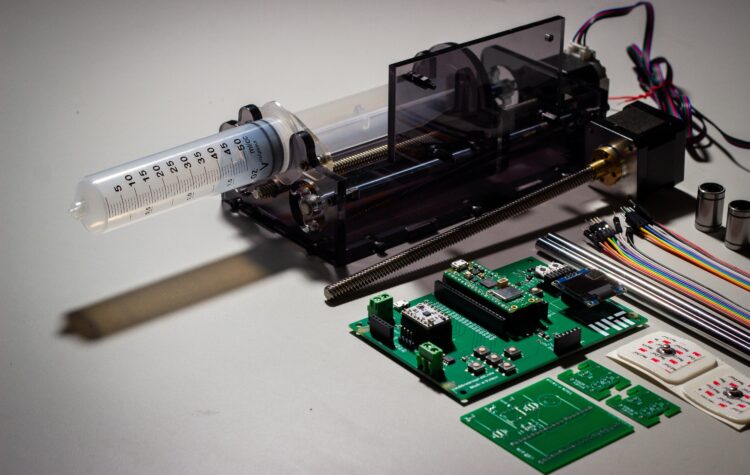
A team at MIT have created a “lab kit in a box” made of locally sourced and easily replaced materials for biomedical students working in Kenya and Uganda, where supply chain and environmental issues can compound technological problems with medical equipment.