

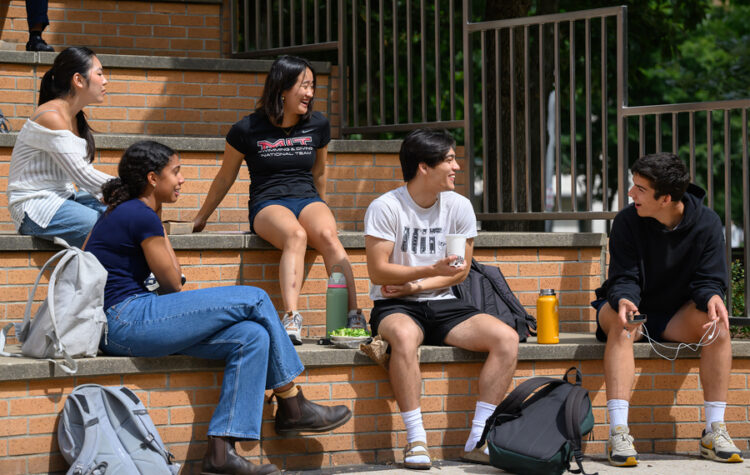
The Institute’s undergraduate engineering, computer science, and economics programs are No. 1; its business program is No. 2.
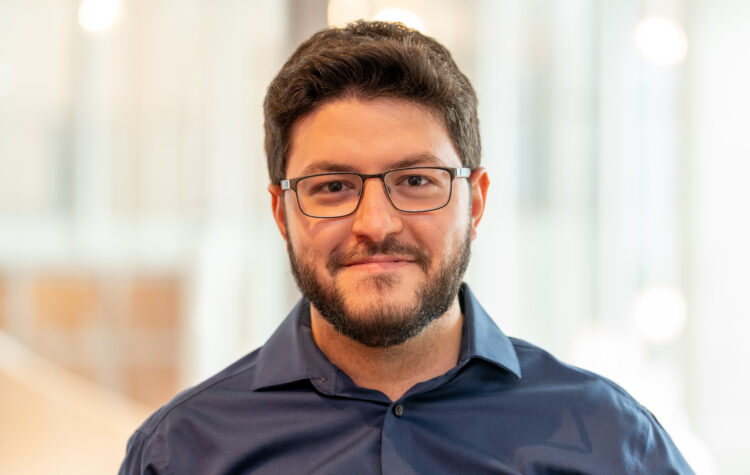
Before joining MIT in 2025, Assistant Professor Omar Khattab had already created several transformative tools that made their mark on industry.
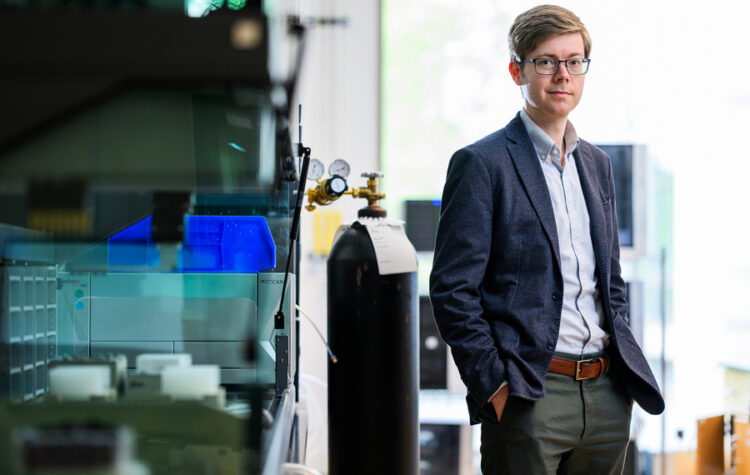
Connor Coley works at the interface of chemistry and machine learning, to discover and design new drug compounds.
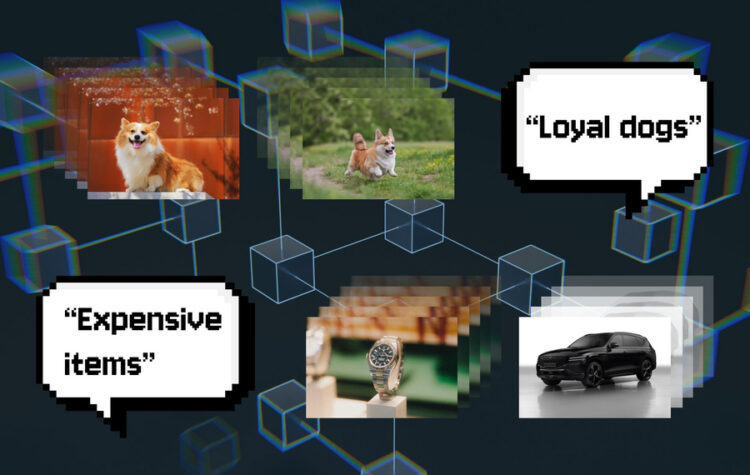
A new debiasing technique called WRING avoids creating or amplifying biases that can occur with existing debiasing approaches.
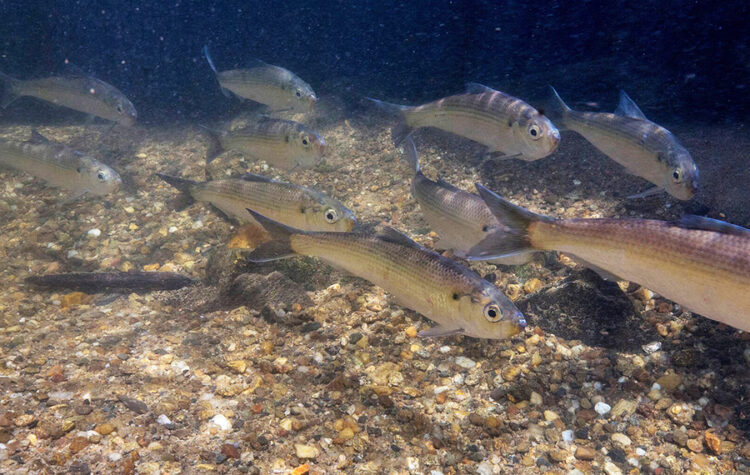
MIT Sea Grant works with the Woodwell Climate Research Center and other collaborators to demonstrate a deep learning-based system for fish monitoring.
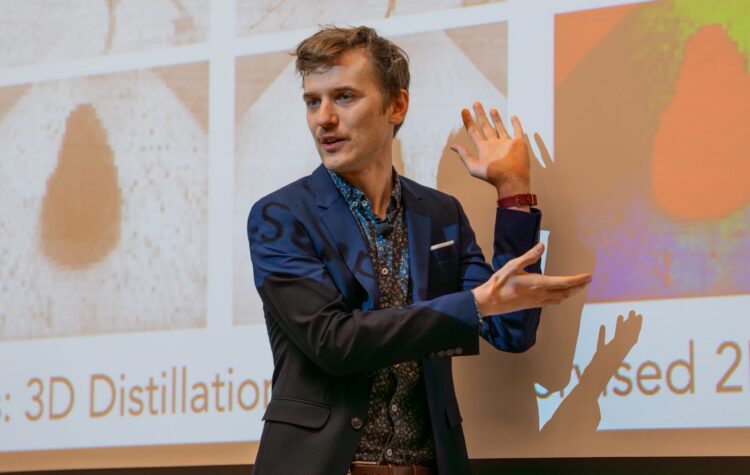
The award is given annually to an outstanding contributor to education from among the faculty members who are being proposed for promotion to associate professor without tenure.
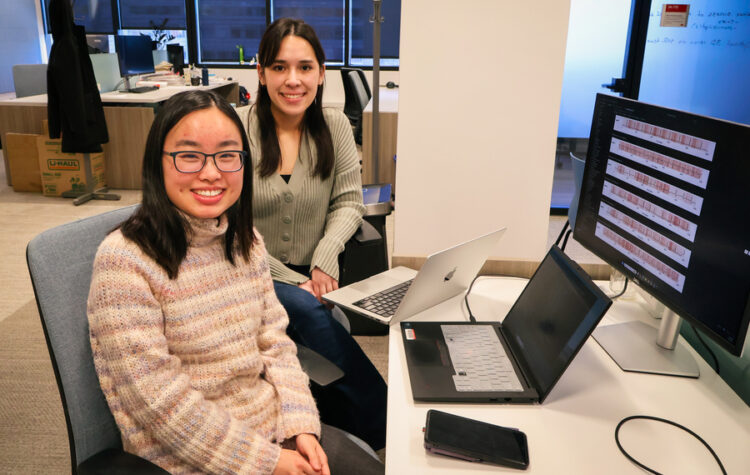
Researchers at MIT, Mass General Brigham, and Harvard Medical School developed a deep-learning model to forecast a patient’s heart failure prognosis up to a year in advance.

By providing holistic information on a cell, an AI-driven method could help scientists better understand disease mechanisms and plan experiments.

Tuesday, February 3, 2026 4:00 – 5:00 pm (refreshments at 3:30 pm) Broad Institute Auditorium (415 Main St., Cambridge, MA 02142) and virtually at broad.io/ewsc 📅 Add to calendar ✍️ Learn more and register…

New research demonstrates how AI models can be tested to ensure they don’t cause harm by revealing anonymized patient health data.