


Improving the performance of high-power electronics
By using a thin layer of diamond to manage excessive heat, researchers can boost the speed and energy-efficiency of next-generation wireless devices.

The electrical engineering and nanotechnology leader will guide the US Army-sponsored research center as it advances next-generation materials, electronics, and photonics for national security.
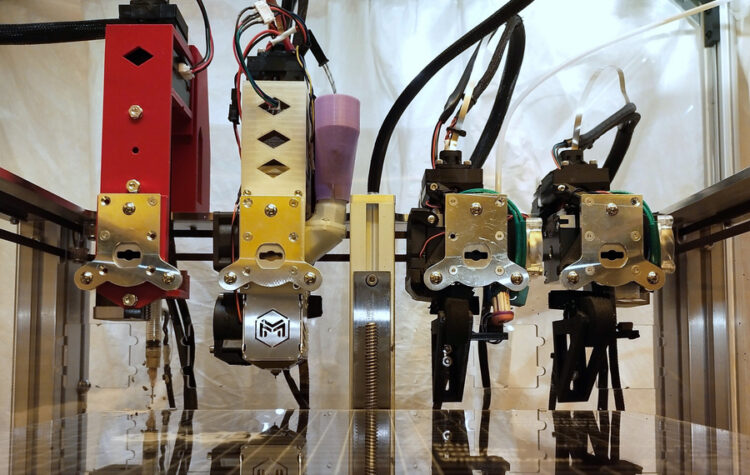
3D-printing platform rapidly produces complex electric machines
Overcoming challenges of 3D printing with multiple functional materials, MIT researchers fabricated an electric linear motor in hours.

The low-cost, scalable technology can seamlessly integrate high-speed gallium nitride transistors onto a standard silicon chip.

Protein sensor developed by alumna-founded Advanced Silicon Group can be used for research and quality control in biomanufacturing.

Agreement between MIT Microsystems Technology Laboratories and GlobalFoundries aims to deliver power efficiencies for data centers and ultra-low power consumption for intelligent devices at the edge.

By fabricating semiconductor-free logic gates, which can be used to perform computation, researchers hope to streamline the manufacture of electronics.

Department of EECS Announces 2024 Promotions
The Department of Electrical Engineering and Computer Science (EECS) is proud to announce multiple promotions.
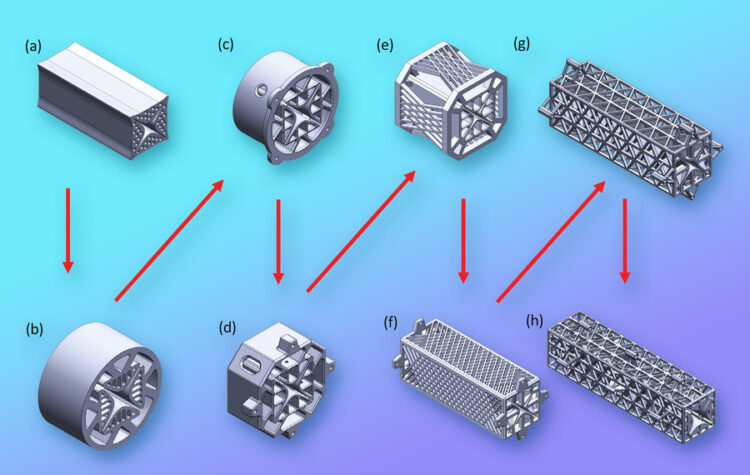
Researchers 3D print components for a portable mass spectrometer
Lightweight and inexpensive, miniaturized mass filters are a key step toward portable mass spectrometers that could identify unknown chemicals in remote settings.
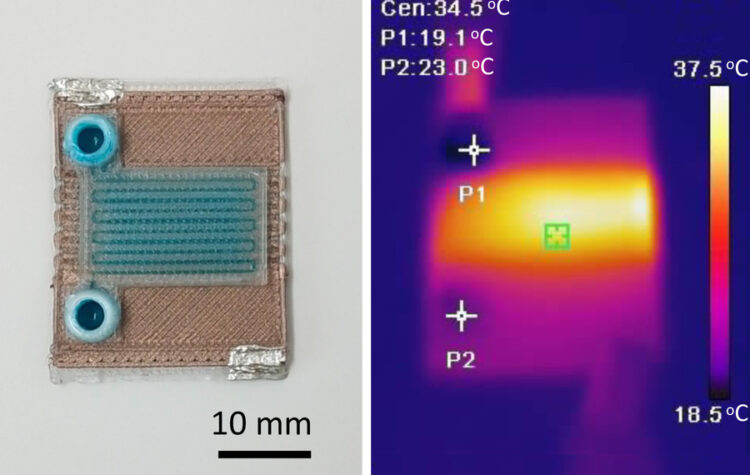
Scientists 3D print self-heating microfluidic devices
The one-step fabrication process rapidly produces miniature chemical reactors that could be used to detect diseases or analyze substances.