

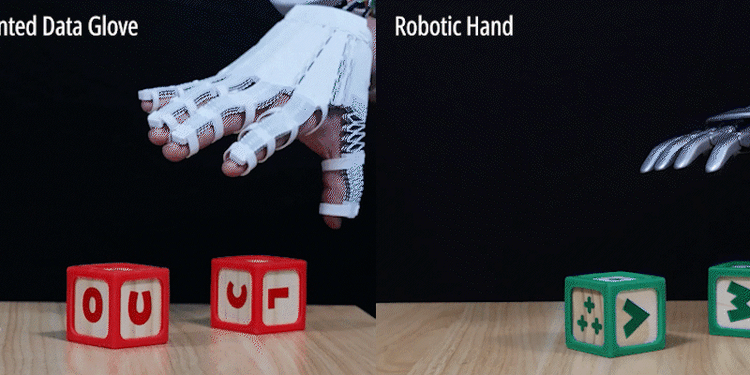
“X-Hinges” helps design and 3D print items like lamps and gloves with an interactive twist: automatically embedded sensors that perceive and adaptively respond to human contact.
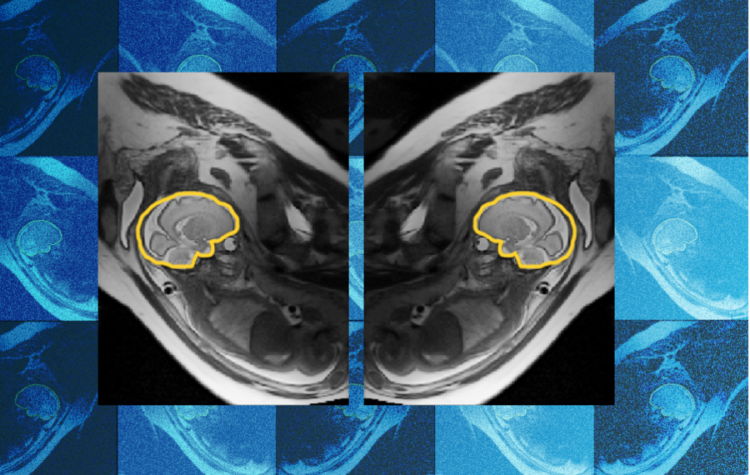
A model developed by researchers at MIT and Boston Children’s Hospital adjusts scans on the fly to track fetal movement, potentially sparing families repeat hospital visits.

By rethinking how large cloud computing systems operate, Associate Professor Christina Delimitrou seeks to make data centers more energy efficient.
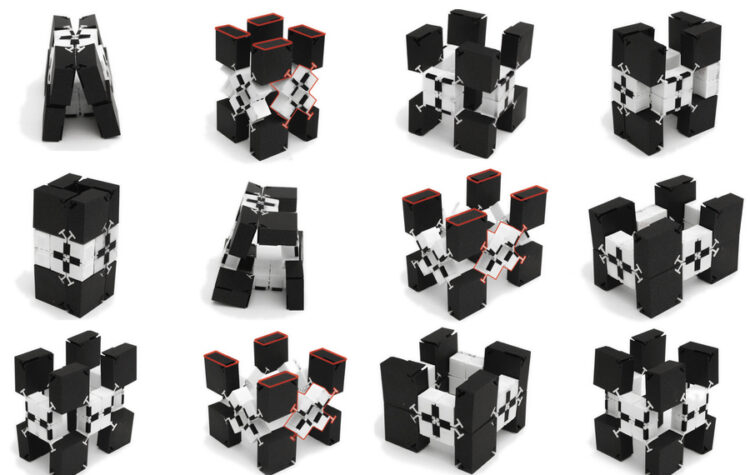
Dubbed “bifur-circuits,” these interactive building blocks could be used to develop reconfigurable robotic grippers or customized assistive devices.

MIT CSAIL researchers found a way to exploit a split-second gap in chip security — and used it to acquire a Linux system’s password file.
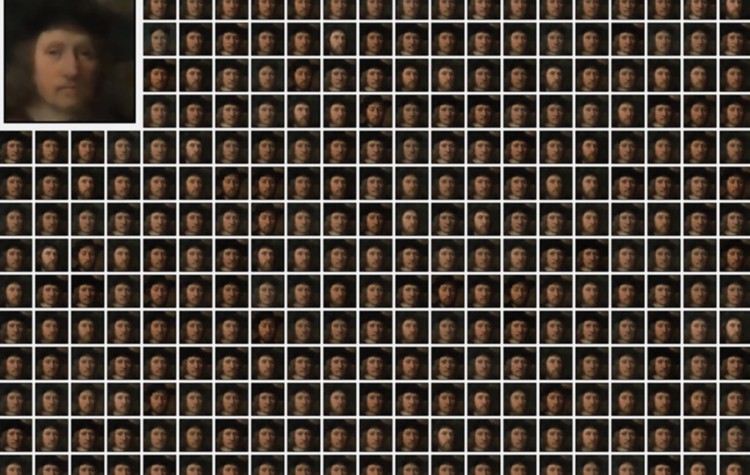
When AI art has no author: Study finds generated images often can’t be traced to training data
A new method for surgically removing training examples from a model reveals that as datasets grow, the link between what a model learns and what it produces dissolves.
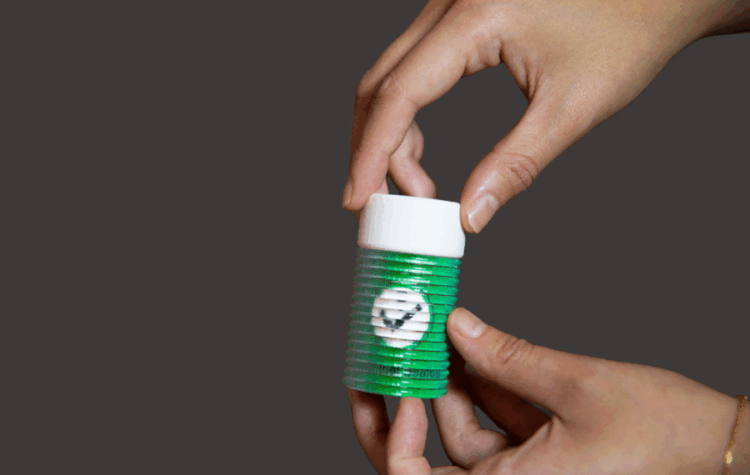
The “ShiftLens” design and fabrication system creates objects that change their surface appearance based on user interactions, without any electronics.
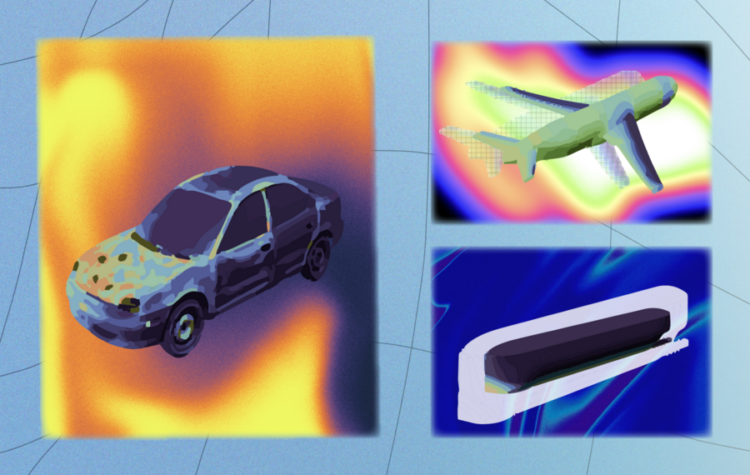
“GeoPT” helps AI models understand the basics of physics so they can simulate how objects respond to things like wind and water more efficiently and accurately.

Solving AI’s ‘Last Mile’ Problem
Before joining MIT in 2025, Assistant Professor Omar Khattab had already created several transformative tools that made their mark on industry.

Awarded jointly by the Bavarian State Government and the Bavarian Academy of Sciences and Humanities, it is the most highly endowed award for technology and engineering in Germany.