

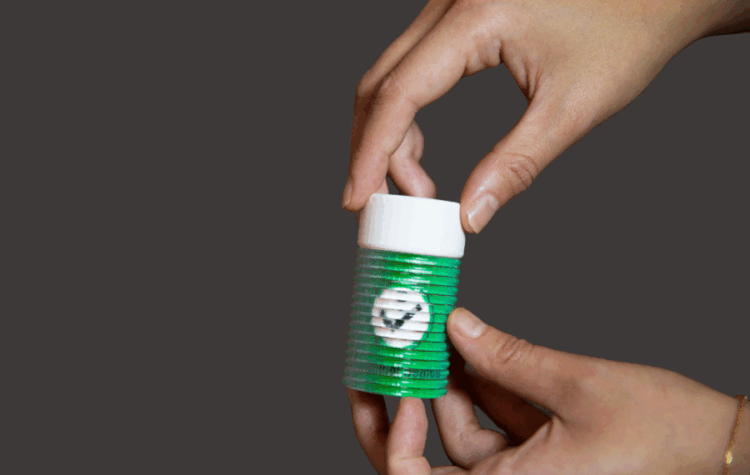
The “ShiftLens” design and fabrication system creates objects that change their surface appearance based on user interactions, without any electronics.
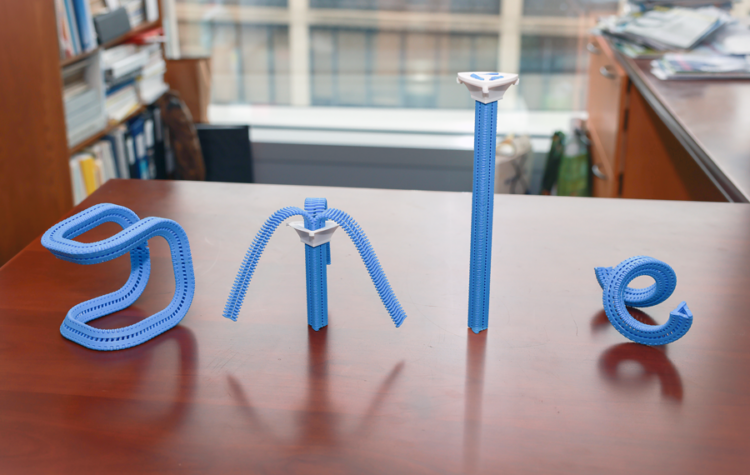
An old patent from MIT Professor Bill Freeman inspired the new “Y-zipper,” a three-sided fastener that snaps gear, robots, and art into shape at the push of a button.
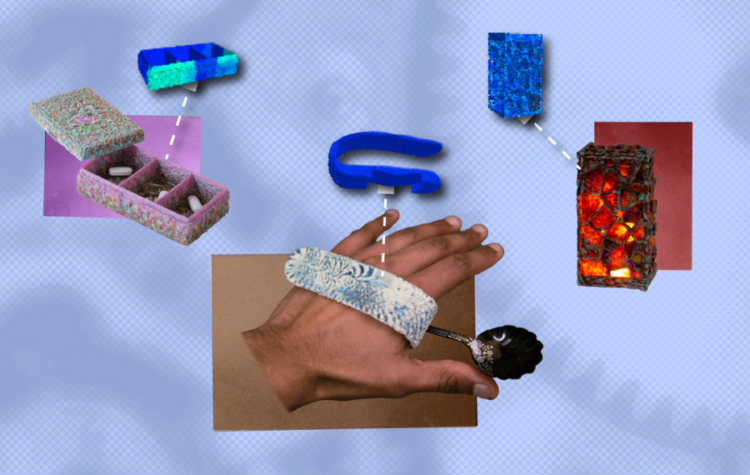
“MechStyle” allows users to personalize 3D models, while ensuring they’re physically viable after fabrication, producing unique personal items and assistive technology.

A greener way to 3D print stronger stuff
MIT CSAIL researchers developed SustainaPrint, a system that reinforces only the weakest zones of eco-friendly 3D prints, achieving strong results with less plastic.

AI shapes autonomous underwater “gliders”
An AI pipeline developed by CSAIL researchers enables unique hydrodynamic designs for bodyboard-sized vehicles that glide underwater and could help scientists gather marine data.
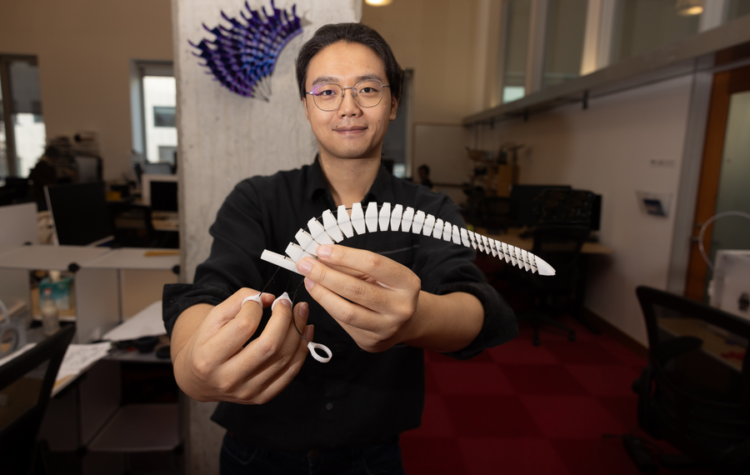
“Xstrings” method enables users to produce cable-driven objects, automatically assembling bionic robots, sculptures, and dynamic fashion designs.
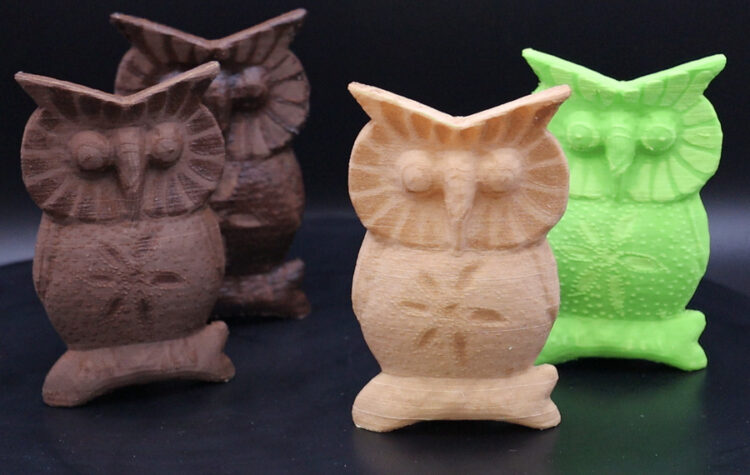
By using a 3D printer like an iron, researchers can precisely control the color, shade, and texture of fabricated objects, using only one material.
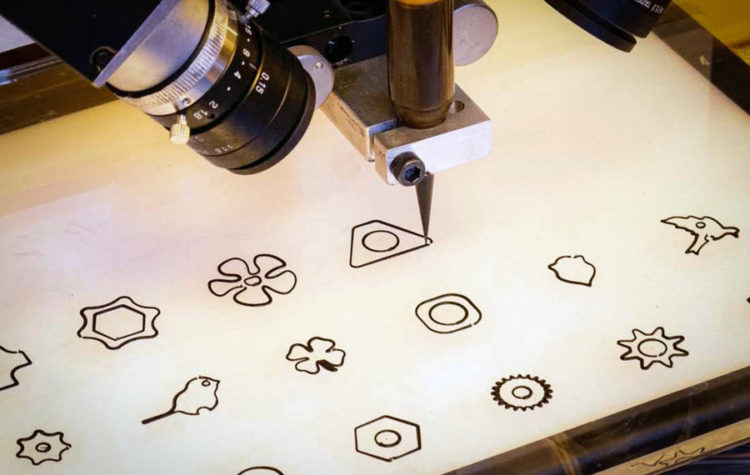
Using artificial intelligence to control digital manufacturing
Researchers train a machine-learning model to monitor and adjust the 3D printing process to correct errors in real-time.
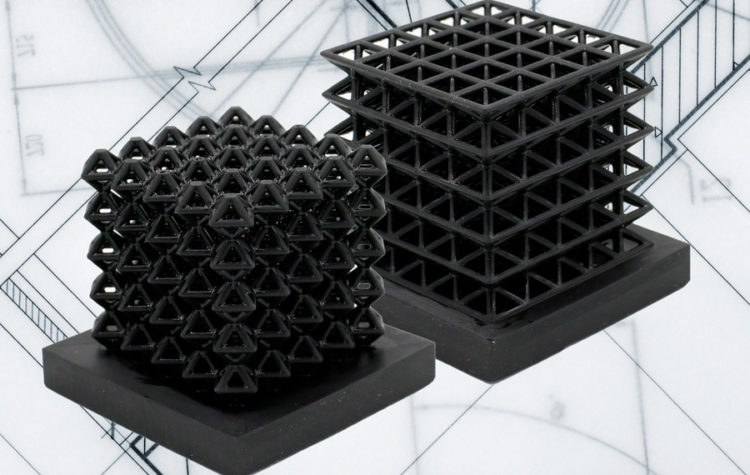
New programmable materials can sense their own movements
Engineers 3D print materials with networks of sensors directly incorporated.
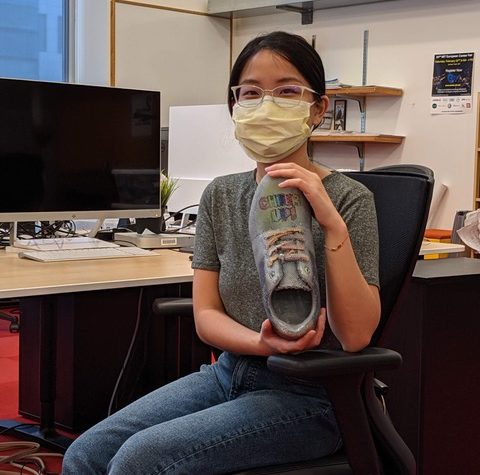
Editing tool makes fabrication process available to all.