

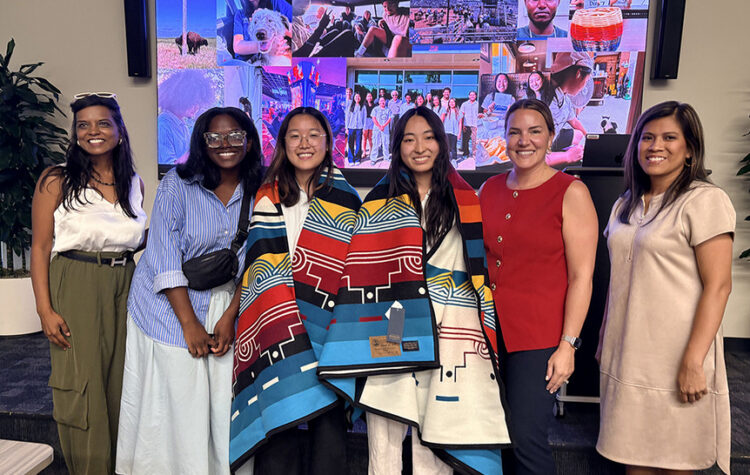
MIT students gain a humanist lens on technical innovation in Tulsa, Oklahoma
The PKG Center for Social Impact expands Code.Tulsa experiential learning program.
The effects of an “algorithmic monoculture” depend on the details
In a study focusing on hiring decisions, MIT researchers found the use of a single algorithm by many firms could benefit job seekers in certain situations.
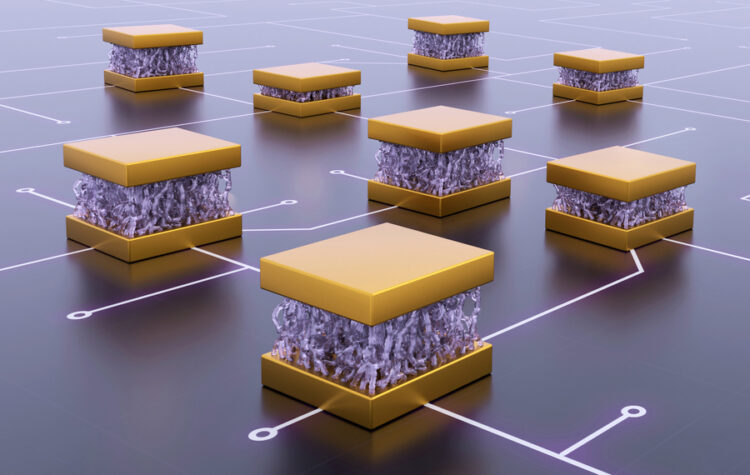
Nanoscale mechanics could enable brain-inspired computing
A new device uses reconfigurable motion to mimic the firing behavior of a neuron, which could lead to more efficient computing.

MIT welcomes David Siegel SM ’86, PhD ’91 as its next Innovation Fellow
next Innovation Fellow
Computer scientist, entrepreneur, and philanthropist will collaborate with the MIT Schwarzman College of Computing to advance AI and scientific discovery.
MIT named the nation’s top university by U.S. News for 2026-27
The Institute’s undergraduate engineering, computer science, and economics programs are No. 1; its business program is No. 2.
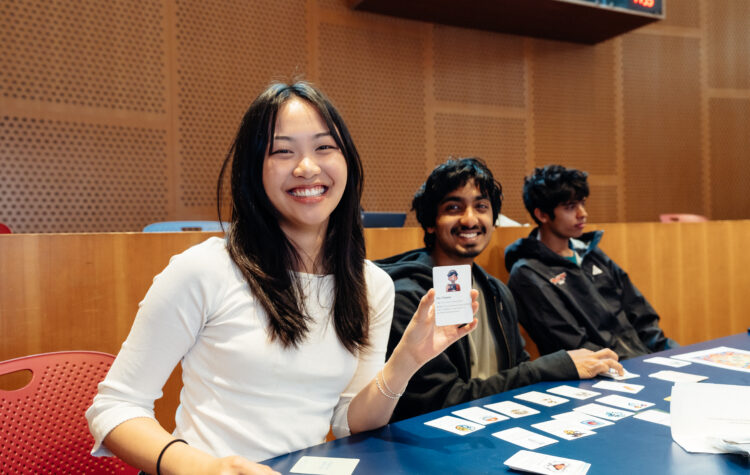
Systems of success
In “Hack Yourself”, students apply computer science strategies to personal growth goals.
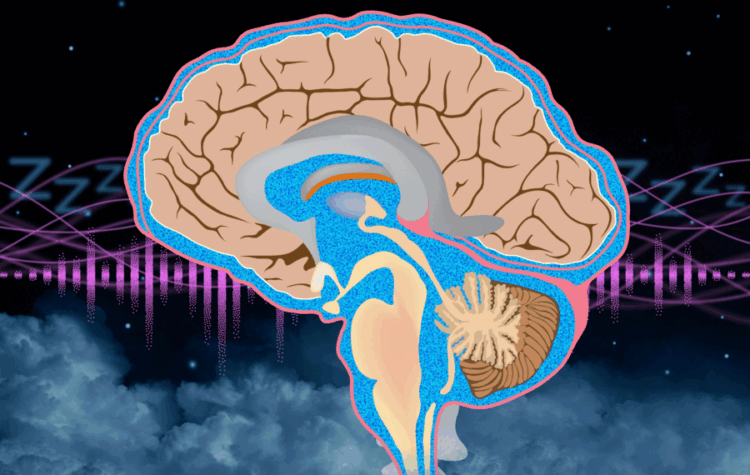
A burst of “pink noise” may lead to more restorative sleep
Delivered at just the right time, this type of auditory stimulus can strengthen the flow of cerebrospinal fluid, which clears debris from the brain and keeps it healthy.

Jeffrey Lang receives 2026 Capers and Marion McDonald Award
The award is given annually to faculty members who have demonstrated a lasting commitment to the personal and professional development of others.
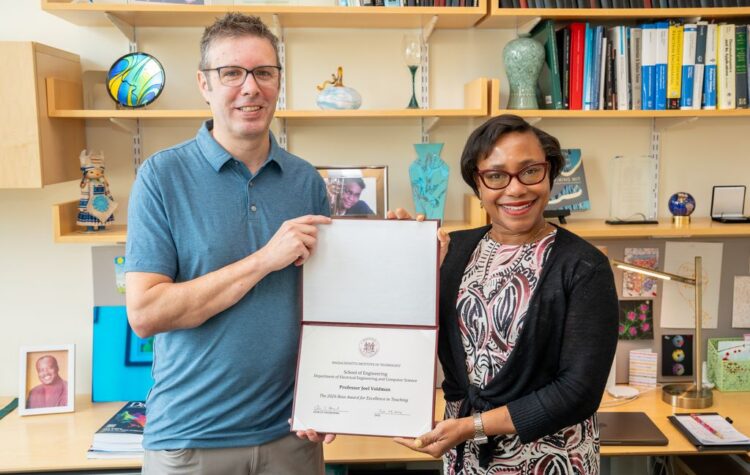
Joel Voldman receives 2026 Bose Award for Excellence in Teaching
Given annually to a faculty member whose contributions to education have been characterized by dedication, care, and creativity, the award stands as a tribute to the late Amar Bose, a professor of EECS and the founder of the Bose Corporation.
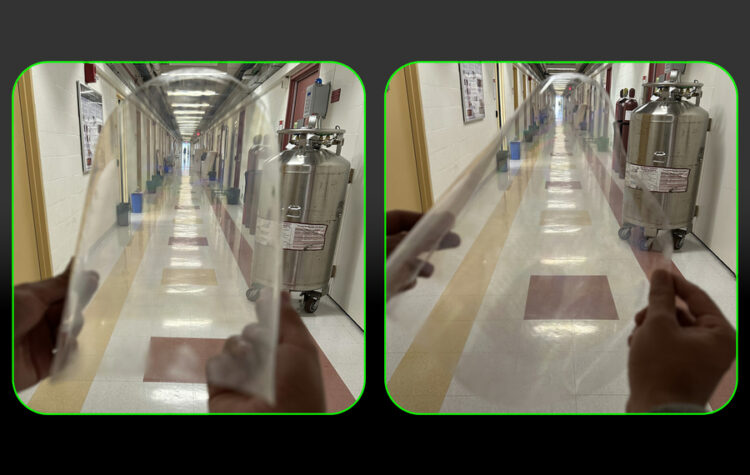
Fabrication platform could enable flexible, transparent next-generation photonic chips
This scalable process produces high-performance chips for applications like discreet wearables or pliable augmented-reality displays.