

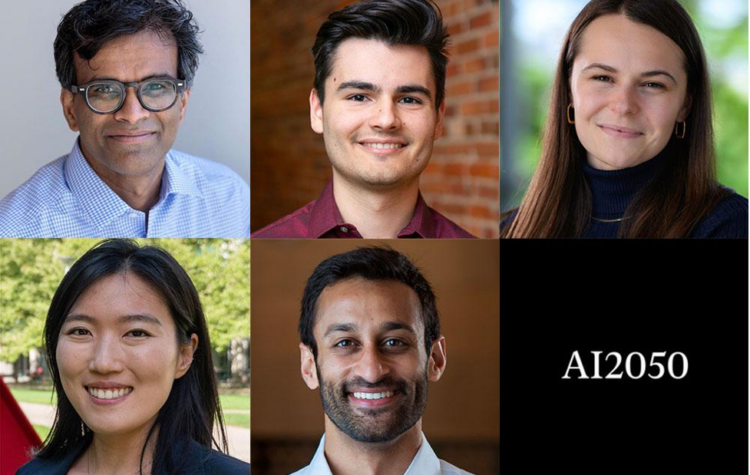
MIT affiliates named 2026 Schmidt Sciences AI2050 Fellows
Five MIT faculty members and three alumni are honored with fellowships to advance research on beneficial AI.

Gunter Stein, Control Systems and Theory Expert, Dies at 84
Gunter Stein, an expert on control systems and theory who helped reconcile competing schools of thought surrounding automated control systems, and whose work helped usher in an era of robust multivariable control, died on July 11th, 2026 in his home state of Minnesota. He was 84 years old.
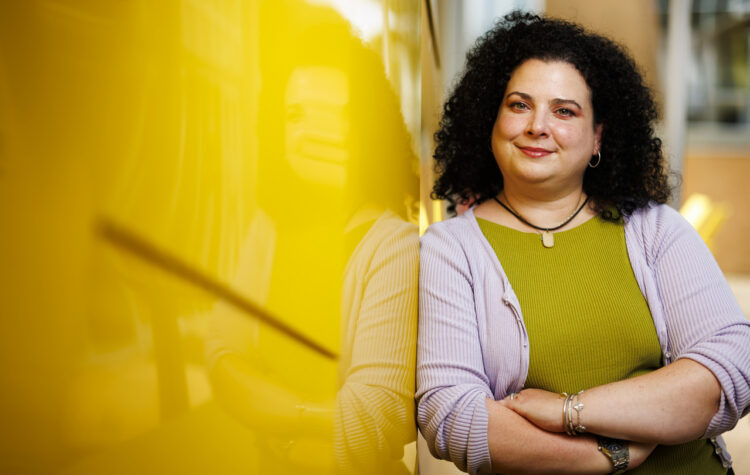
By rethinking how large cloud computing systems operate, Associate Professor Christina Delimitrou seeks to make data centers more energy efficient.

MIT students gain a humanist lens on technical innovation in Tulsa, Oklahoma
The PKG Center for Social Impact expands Code.Tulsa experiential learning program.
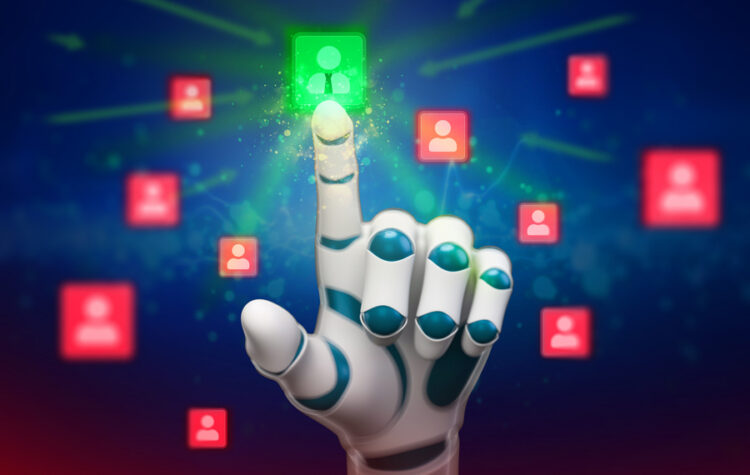
The effects of an “algorithmic monoculture” depend on the details
In a study focusing on hiring decisions, MIT researchers found the use of a single algorithm by many firms could benefit job seekers in certain situations.

Nanoscale mechanics could enable brain-inspired computing
A new device uses reconfigurable motion to mimic the firing behavior of a neuron, which could lead to more efficient computing.

MIT welcomes David Siegel SM ’86, PhD ’91 as its next Innovation Fellow
next Innovation Fellow
Computer scientist, entrepreneur, and philanthropist will collaborate with the MIT Schwarzman College of Computing to advance AI and scientific discovery.
MIT named the nation’s top university by U.S. News for 2026-27
The Institute’s undergraduate engineering, computer science, and economics programs are No. 1; its business program is No. 2.
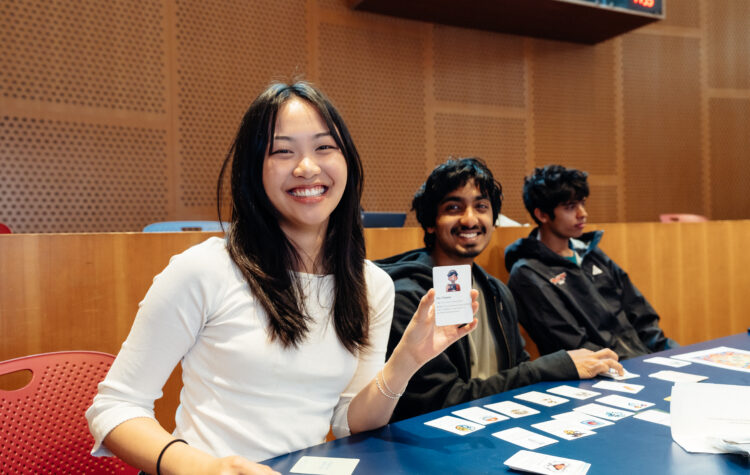
Systems of success
In “Hack Yourself”, students apply computer science strategies to personal growth goals.
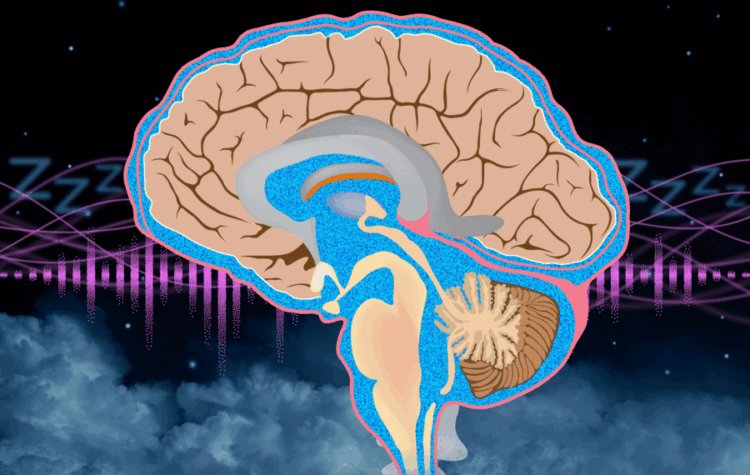
A burst of “pink noise” may lead to more restorative sleep
Delivered at just the right time, this type of auditory stimulus can strengthen the flow of cerebrospinal fluid, which clears debris from the brain and keeps it healthy.