

MIT EECS Launches 6A-Entrepreneurship Pitch Day


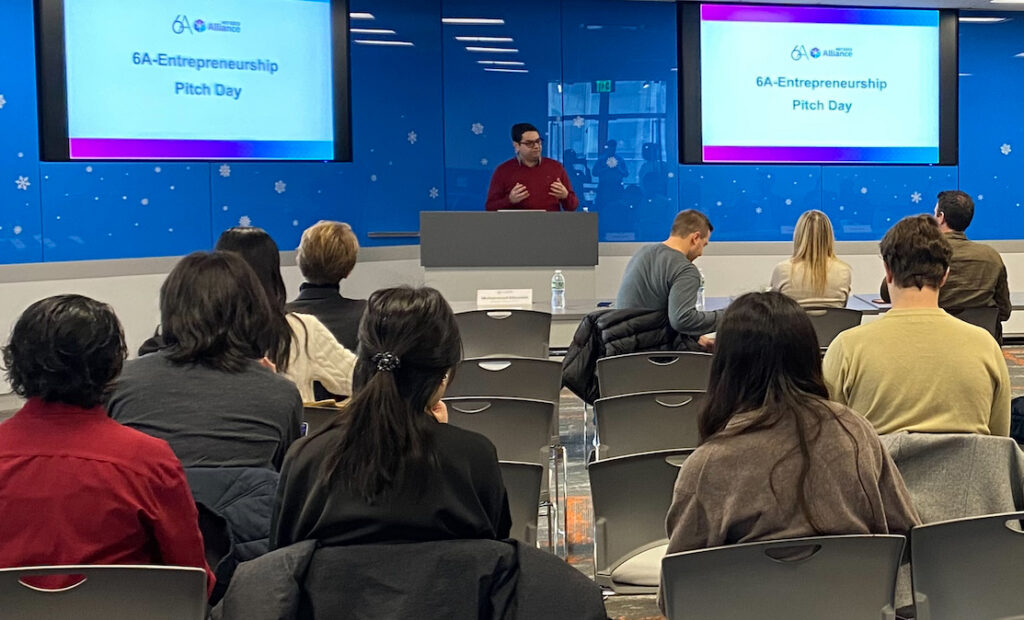 Mohammad Alizadeh, Industry Officer for the Department of EECS, introduces the Pitch Day panel. Photo credit: Haley Anderson.
 The MIT Department of Electrical Engineering and Computer Science recently hosted its 6A-Entrepreneurship (6A-E) Pitch Day Competition, spotlighting a new generation of student founders building ventures at the intersection of research, industry, and innovation.
The 6A-Entrepreneurship track is an extension of MIT’s long-standing 6A Master of Engineering program (MEng) — a historic partnership model that has connected EECS students with industry for over a century. While the traditional 6A program embeds students within established companies to complete thesis-aligned work, 6A-E expands that model to support students building their own ventures.
Pitch Day represents a defining milestone in this evolution. As part of the 6A-E program, EECS MEng students develop startup ventures while completing their thesis-aligned industry experience. During the competition, students presented their ventures to a panel of venture capitalists, founders, and MIT faculty for fellowship funding and mentorship support.
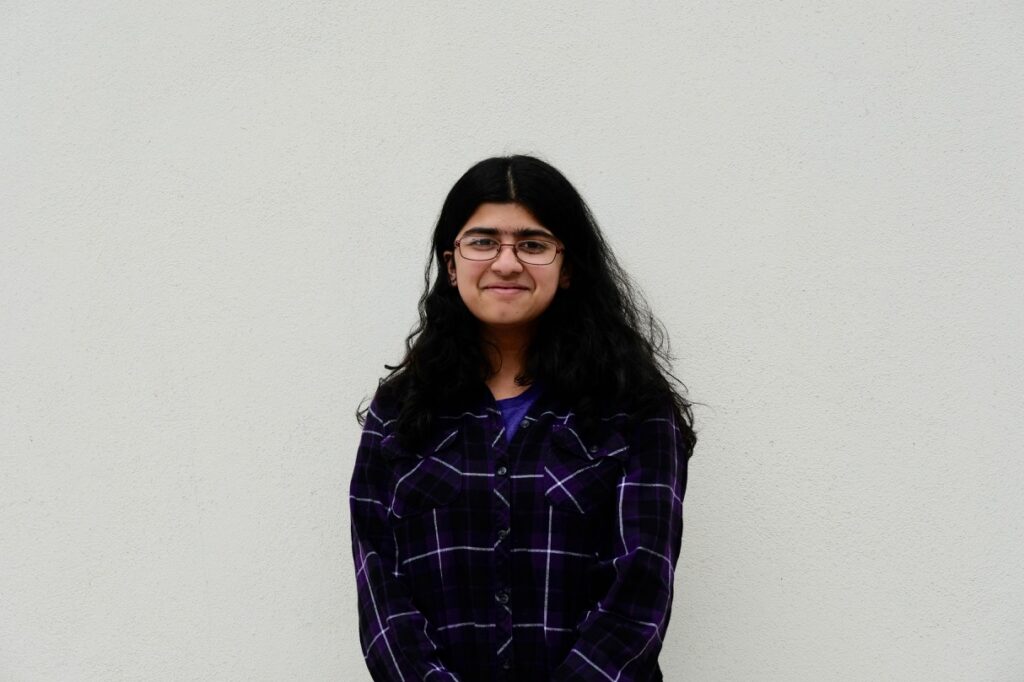
This year’s First Prize was awarded to Shreya Chaudhary, a MEng student majoring in Course 6-3: Computer Science and Engineering and graduating in the fall, who is building an automated formal verification company focused on guaranteeing safer software systems. Her venture aims to translate advanced research in formal methods into practical tools that help prevent critical software failures — advancing her broader mission of developing innovative technologies that create meaningful, positive impact.
Reflecting on the experience, Chaudhary shared:
“Pitch Day was an incredibly fun and exhilarating process to collect a team, propose ways to spin our research into a company, and explore the business aspect of startups. The competition and fellowship pushed me to realize real-world applications of my research to truly take it beyond the lab.”
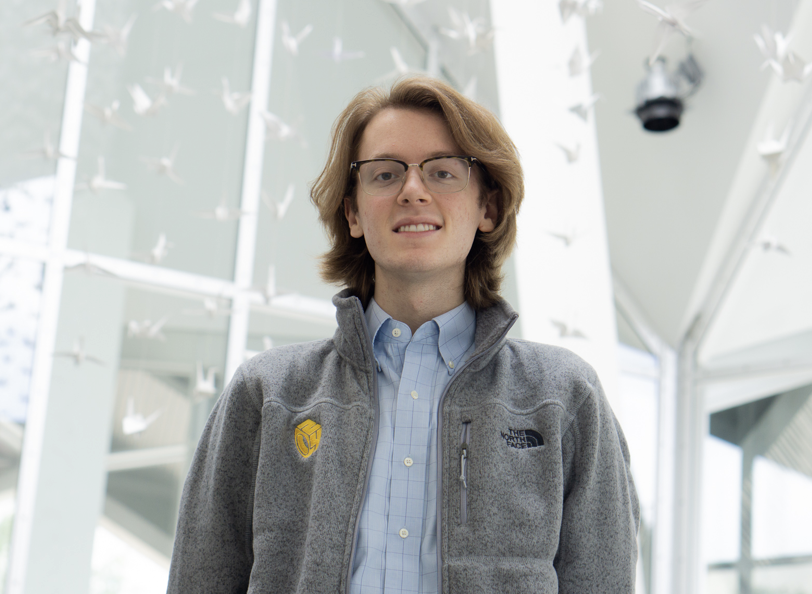
Runner-up Alexander Greer, a MEng student majoring in Course 6-7: Molecular Biology & Computer Science, presented Mulberry, an AI-powered scientific R&D platform designed to structure and organize technical knowledge using applied ontology. Mulberry ingests domain-specific research literature, extracts semantic relationships, and assembles them into a unified, human- and machine-navigable knowledge framework. By making complex scientific knowledge more accessible and computationally usable, the platform aims to accelerate research and discovery across disciplines.
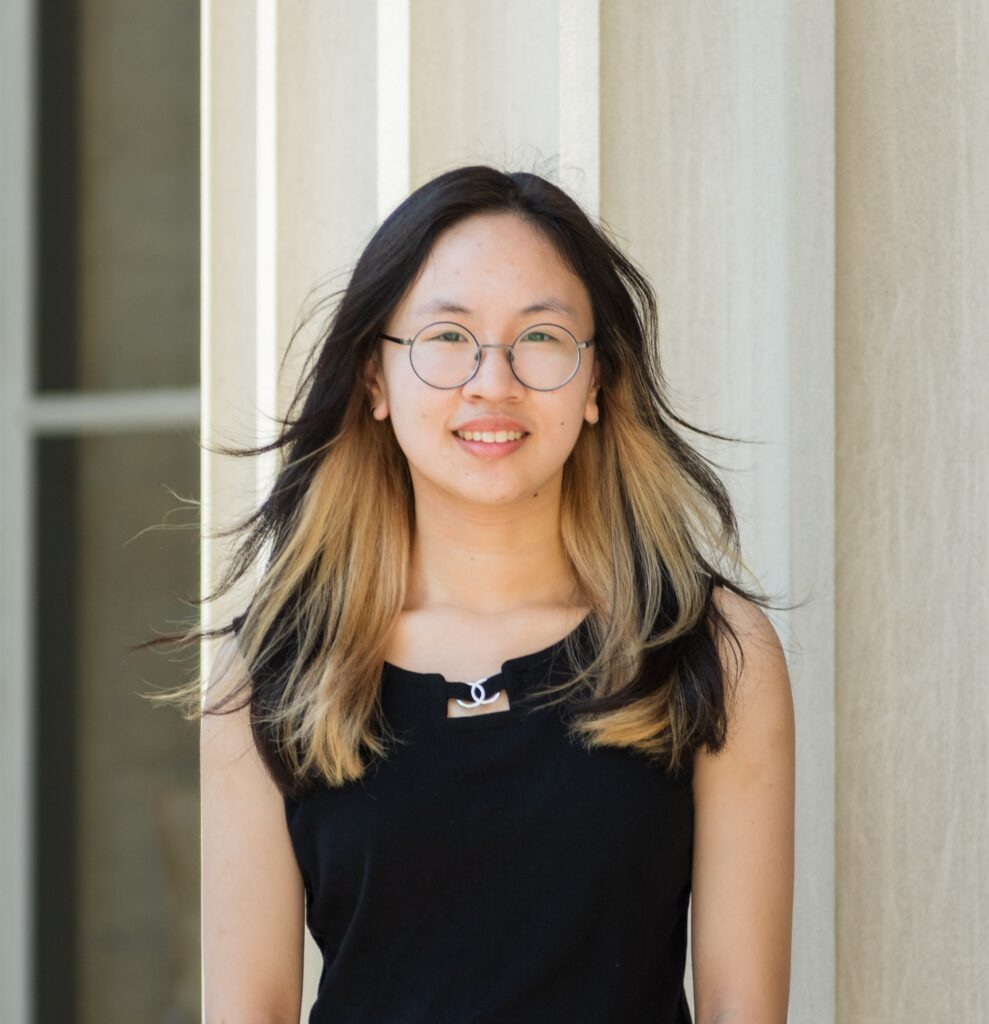
Runner-up Sabrina Su was recognized for her venture, ADAPT (adapt-kit.org), a guided toolkit designed to help communities proactively plan equitable and resilient disaster housing. ADAPT coordinates strategies before, during, and after disasters through a collaborative recovery planning process, enabling communities to prepare in advance rather than react in crisis.
Sabrina plans to complete her MEng with a focus on human–computer interaction while continuing to advance ADAPT through scenario planning tools and large language model applications aimed at improving disaster preparedness and recovery coordination.
As MIT continues to strengthen its innovation ecosystem, initiatives like 6A-E reflect the Institute’s commitment not only to advancing breakthrough research, but to empowering students to transform that research into scalable, real-world impact.
Media Inquiries
Journalists seeking information about EECS, or interviews with EECS faculty members, should email eecs-communications@mit.edu.
Please note: The EECS Communications Office only handles media inquiries related to MIT’s Department of Electrical Engineering & Computer Science. Please visit other school, department, laboratory, or center websites to locate their dedicated media-relations teams.