

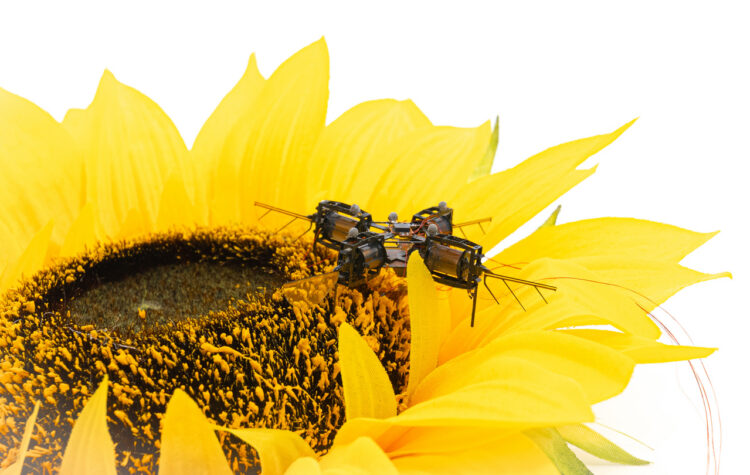
This featherweight, flying robot carries its own sensors and computers
The speedy microrobot flies without an attached motion-capture system, moving it closer to applications like agriculture or industrial surveillance.

Helping AI text detectors keep up with changing conditions
A more flexible training method can make AI text detectors more robust when new models emerge or AI-generated text is disguised to appear human.
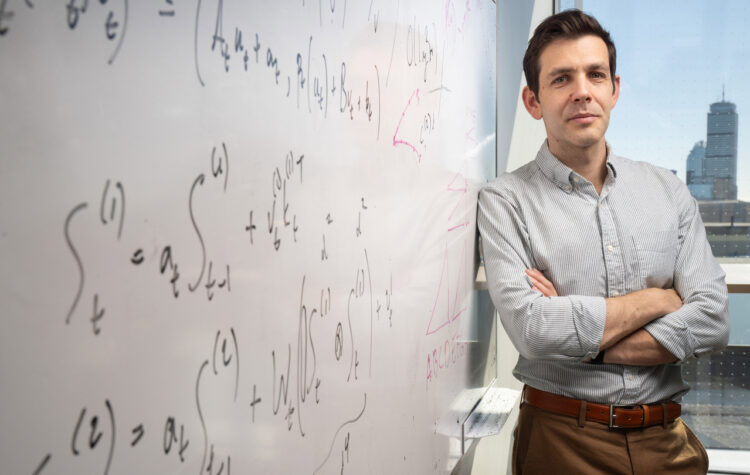
Learning the language of machine learning
By studying the computational foundations of language learning, Associate Professor Jacob Andreas builds intelligent systems that can communicate effectively with humans.

Researchers now hope to investigate whether increasing the flow of cerebrospinal fluid during sleep could improve brain health.

School of Engineering welcomes new faculty in 2026
The newest MIT engineering faculty are conducting research across a diverse range of subject areas.
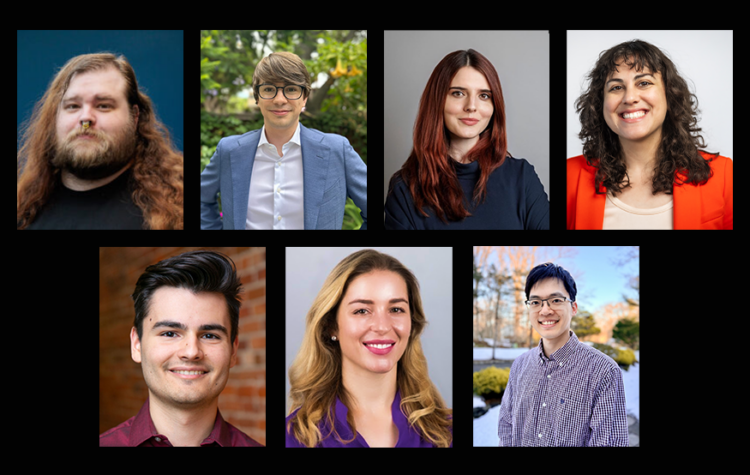
MIT Schwarzman College of Computing welcomes seven new faculty for 2026
Faculty members serve in core computing and shared roles, bringing a wide range of experiences and areas of expertise to the MIT community.

Helping robots fit into the human workplace
Founded by Anthony Jules ’92, SM ’92 and Professor Emeritus Rodney Brooks, Robust AI’s robots are designed to collaborate with humans in factories and warehouses.

MIT-led team receives funding to develop next-generation alternatives to modern weed killers
With up to $53 million from ARPA-H, the researchers will use AI to generate safer herbicides that reduce dependence on imports and improve the security of the U.S. food supply.

A single AI model simulates the behavior of many substances, from sliding sand to folding proteins
By learning how matter moves, the WorldParticle system could assist with developing soft robots, medicines, and more.

New system gives users more control over their online experience
The Social.Wiki framework enables anyone to easily edit social websites within the system, while allowing them to choose the content they see.