


MIT named the nation’s top university by U.S. News for 2026-27
The Institute’s undergraduate engineering, computer science, and economics programs are No. 1; its business program is No. 2.
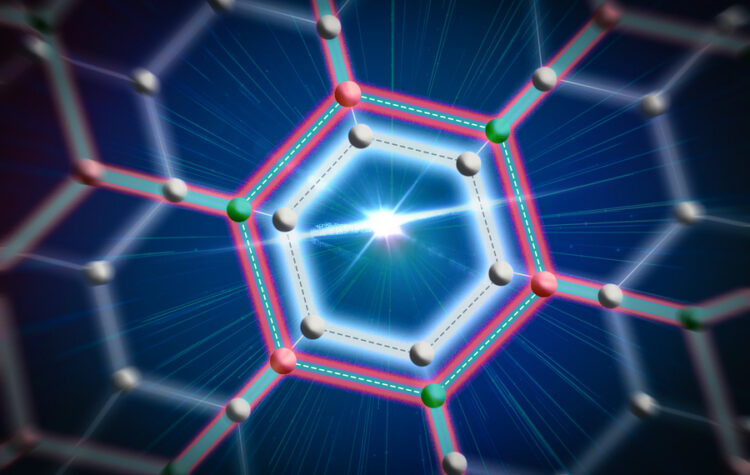
Researchers make air-stable, ultrathin superconductors, for more scalable quantum devices
A new technique produces wafer-scale samples, overcoming a major roadblock to using these materials in quantum technologies.

Ultra-efficient chip design enables extremely strong cryptography algorithms to run on energy-constrained edge devices.
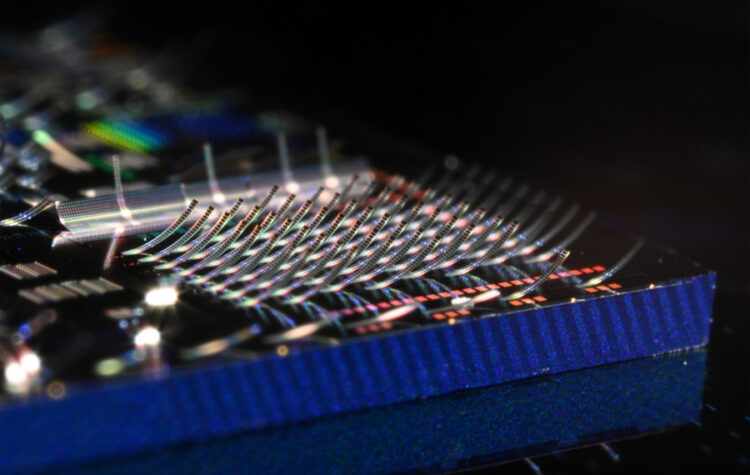
New photonic device efficiently beams light into free space
Light-emitting structures that curl off the chip surface could enable advanced displays, high-speed optical communications, and larger-scale quantum computers.

Leading quantum at an inflection point
The MIT Quantum Initiative is taking shape, leveraging quantum breakthroughs to drive the future of scientific and technological progress.

Researchers achieved a type of coupling between artificial atoms and photons that could enable readout and processing of quantum information in a few nanoseconds.

MIT researchers developed a photon-shuttling “interconnect” that can facilitate remote entanglement, a key step toward a practical quantum computer.

All promotions and appointments will take effect July 1, 2025.

By determining how readily electron pairs flow through this material, scientists have taken a big step toward understanding its remarkable properties.

Berggren, who develops technologies to push the envelope of what is possible with photonics and electronic devices, succeeds Joel Voldman.