


MIT named the nation’s top university by U.S. News for 2026-27
The Institute’s undergraduate engineering, computer science, and economics programs are No. 1; its business program is No. 2.
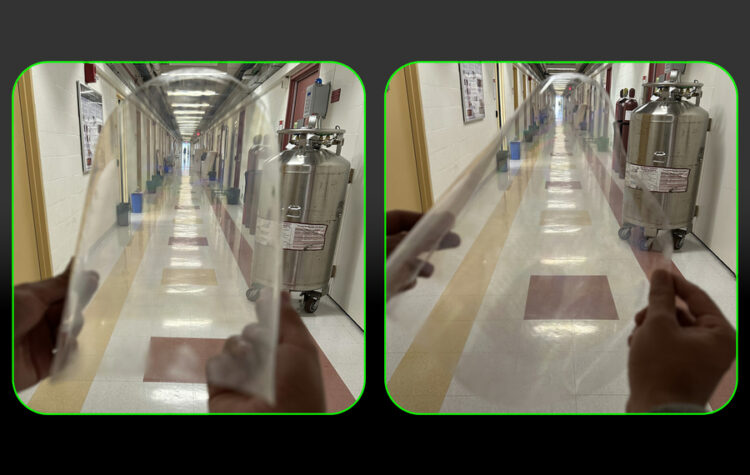
Fabrication platform could enable flexible, transparent next-generation photonic chips
This scalable process produces high-performance chips for applications like discreet wearables or pliable augmented-reality displays.

With a novel design, MIT researchers overcame a stubborn problem that has limited the effectiveness of chip-based systems for lidar.
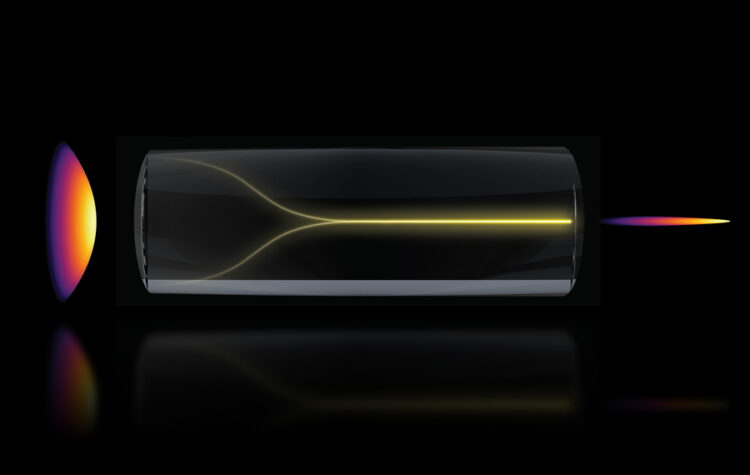
Self-organizing “pencil beam” laser could help scientists design brain-targeted therapies
MIT researchers leveraged a surprise discovery to devise a faster and more precise biomedical imaging technique.
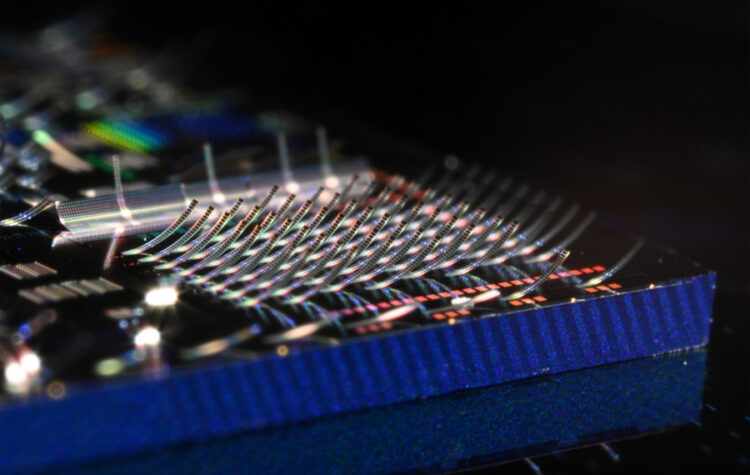
New photonic device efficiently beams light into free space
Light-emitting structures that curl off the chip surface could enable advanced displays, high-speed optical communications, and larger-scale quantum computers.
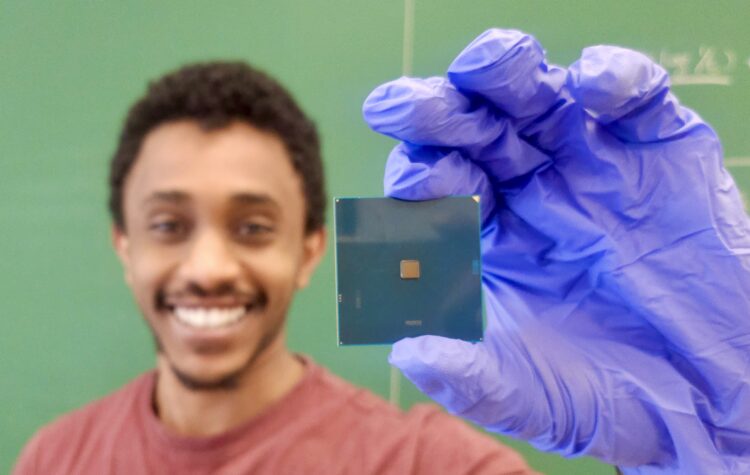
Results You Can Touch
One year into the new 6-5 degree program, students are discovering the joy of hands-on electrical engineering.

New technique could improve the scalability of trapped-ion quantum computers, an essential step toward making them practically useful.
New laser “comb” can enable rapid identification of chemicals with extreme precision
The ultrabroadband infrared frequency comb could be used for chemical detection in portable spectrometers or high-resolution remote sensors.

The high-tech wizardry of integrated photonics
PhD candidate Sabrina Corsetti builds photonic devices that manipulate light to enable previously unimaginable applications, like pocket-sized 3D printers.

By performing deep learning at the speed of light, this chip could give edge devices new capabilities for real-time data analysis.