

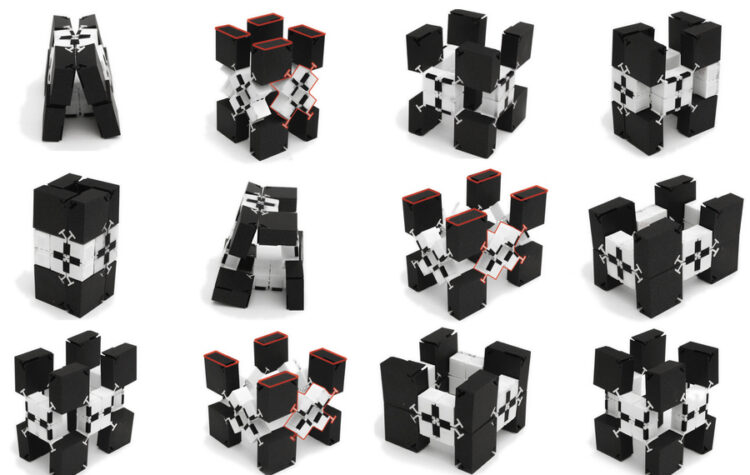
Dubbed “bifur-circuits,” these interactive building blocks could be used to develop reconfigurable robotic grippers or customized assistive devices.
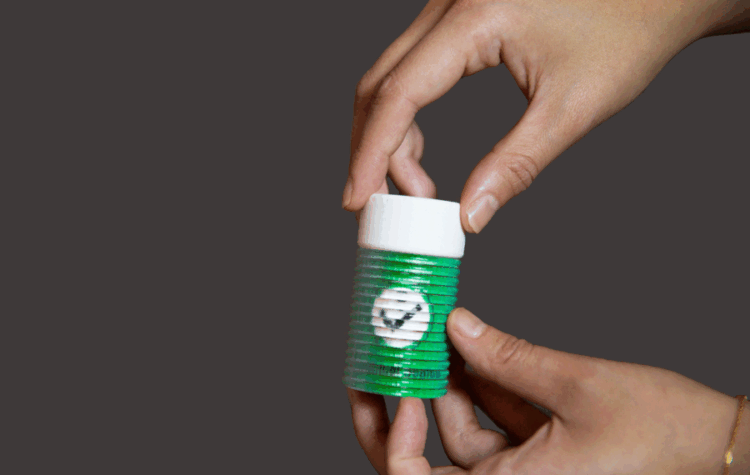
The “ShiftLens” design and fabrication system creates objects that change their surface appearance based on user interactions, without any electronics.
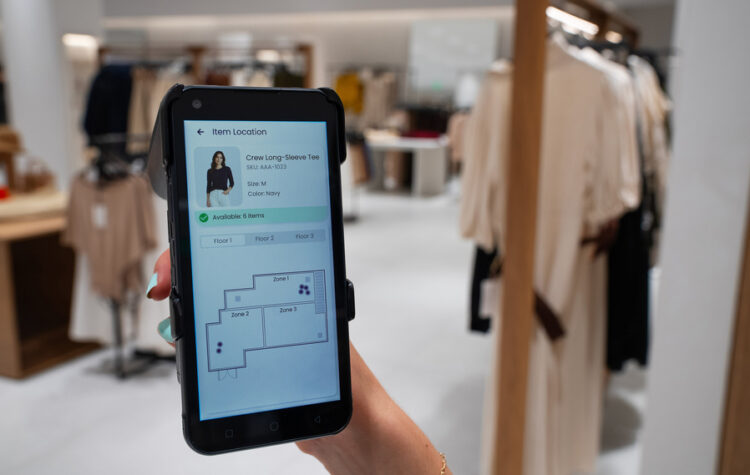
Using technology invented at MIT, Cartesian’s system for locating objects could also find uses in manufacturing, logistics, and robotics.
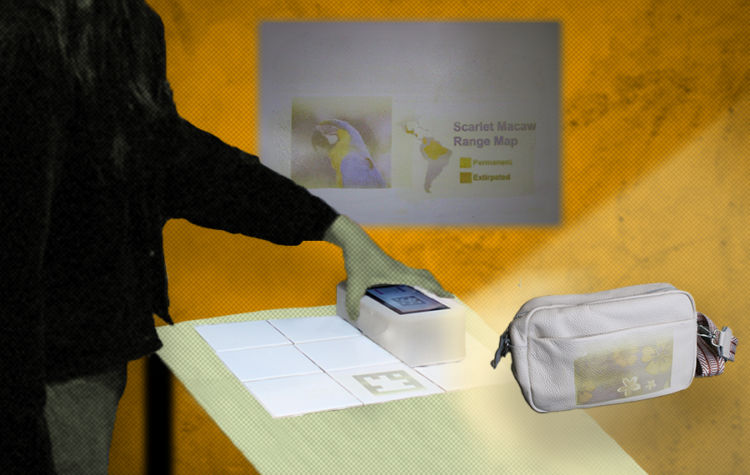
The portable “ChromoLCD” device combines LCD and LED lighting to customize high-quality designs onto things like shirts and whiteboards.
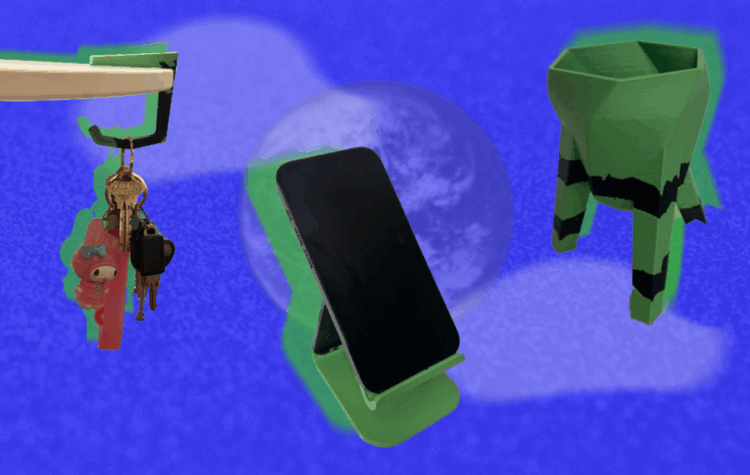
A greener way to 3D print stronger stuff
MIT CSAIL researchers developed SustainaPrint, a system that reinforces only the weakest zones of eco-friendly 3D prints, achieving strong results with less plastic.
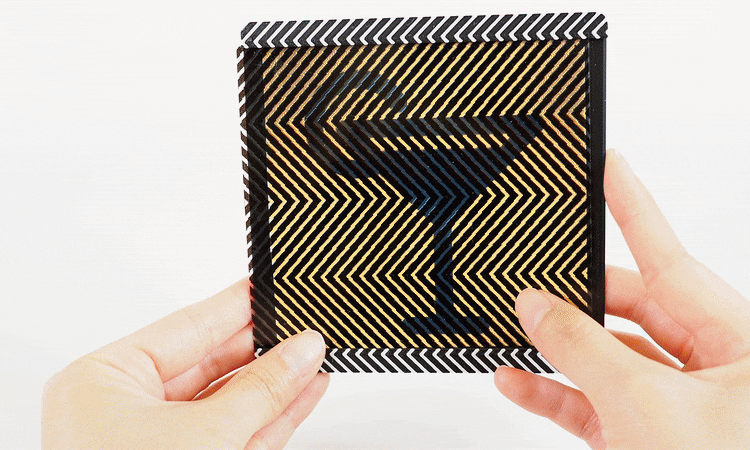
The FabObscura system helps users design and print barrier-grid animations without electronics, and can help produce dynamic household, workplace, and artistic objects.

A human-centered approach to data visualization
Balancing automation and agency, Associate Professor Arvind Satyanarayan develops interactive data visualizations that amplify human creativity and cognition.
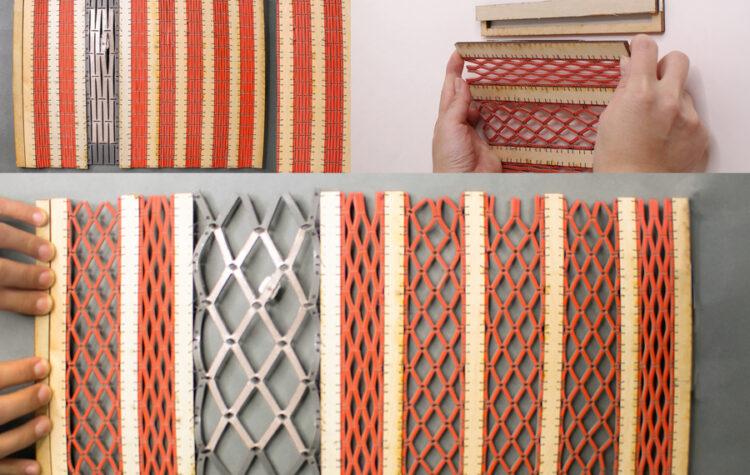
You can adjust the frequency range of this durable, inexpensive antenna by squeezing or stretching its structure.

Merging design and computer science in creative ways
MAD Fellow Alexander Htet Kyaw connects humans, machines, and the physical world using AI and augmented reality.

3D modeling you can feel
TactStyle, a system developed by CSAIL researchers, uses image prompts to replicate both the visual appearance and tactile properties of 3D models.