

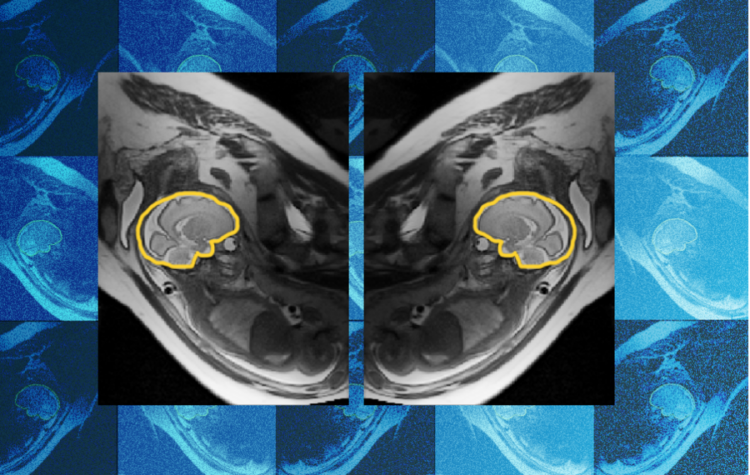
A model developed by researchers at MIT and Boston Children’s Hospital adjusts scans on the fly to track fetal movement, potentially sparing families repeat hospital visits.
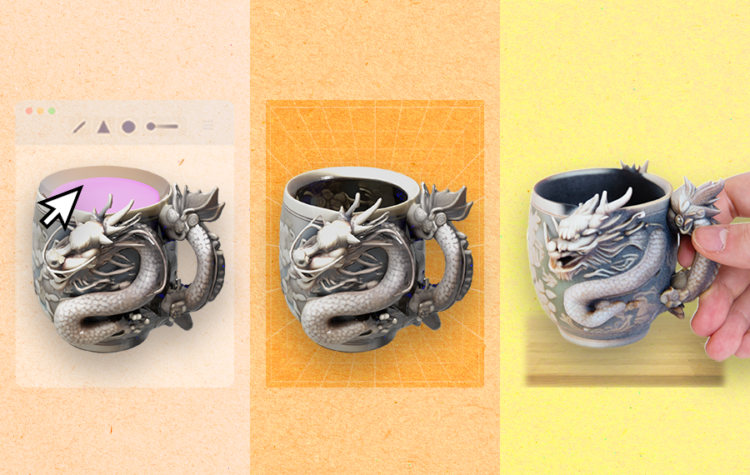
New tool lets users repair AI-generated 3D models, then fabricate them just the way they want
“InstructMesh” can generate designs for everyday objects that are easy to edit and fabricate for both experts and newcomers to 3D modeling.
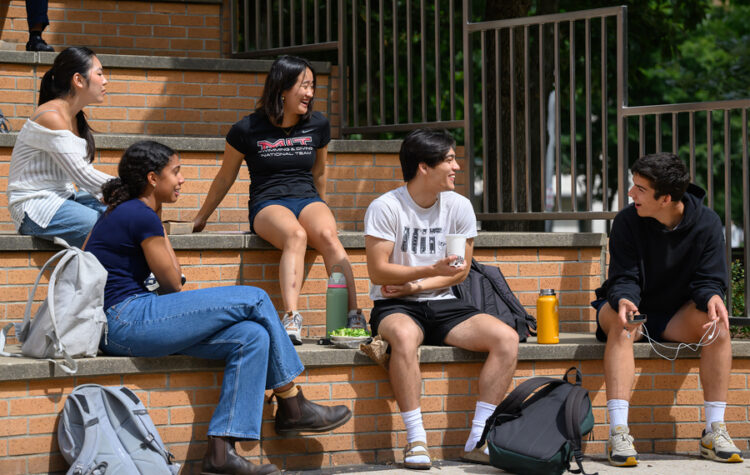
MIT named the nation’s top university by U.S. News for 2026-27
The Institute’s undergraduate engineering, computer science, and economics programs are No. 1; its business program is No. 2.
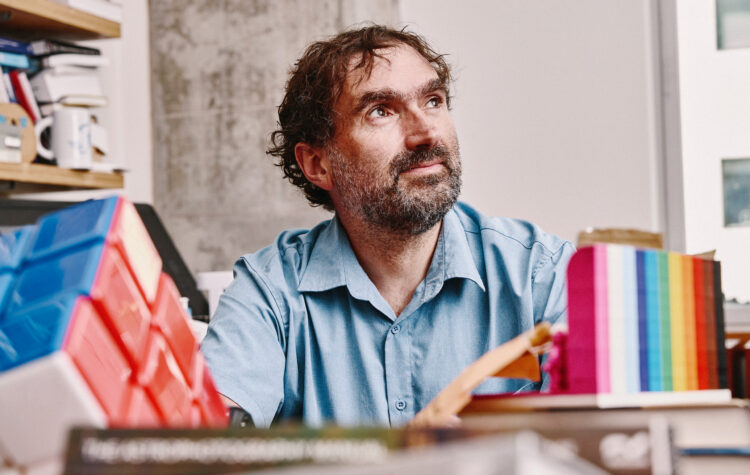
A Colorful, Creative Career by Way of Computer Graphics
Fredo Durand, the Amar Bose Professor of Computing in EECS, explores the limitless possibilities for synthetic images
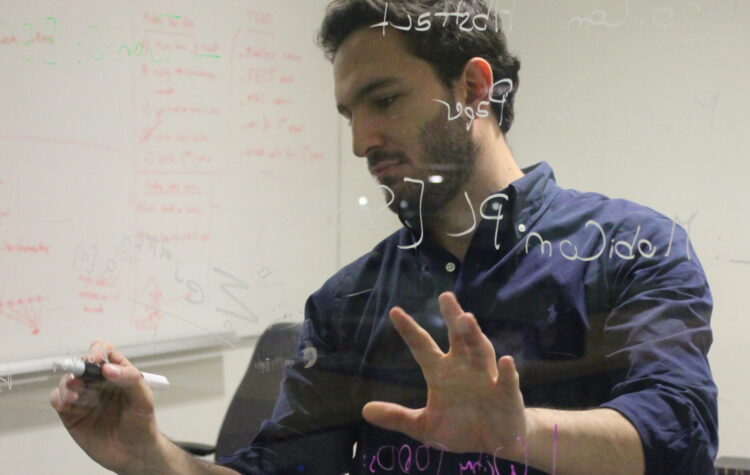
Fadel Adib Promoted to Full Professor
Wireless sensing technologies from the Signal Kinetics group are now deployed in hospitals, homes, and retail environments worldwide.

Faculty member in electrical engineering and computer science to focus on innovation in engineering education and new pedagogical approaches.
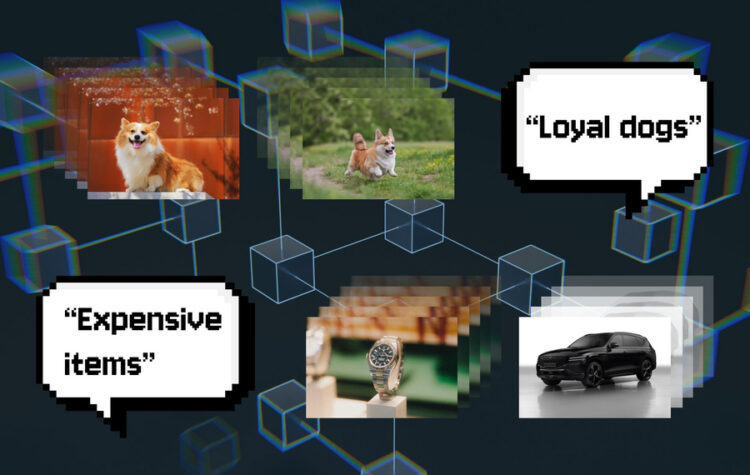
A new debiasing technique called WRING avoids creating or amplifying biases that can occur with existing debiasing approaches.

MIT Sea Grant works with the Woodwell Climate Research Center and other collaborators to demonstrate a deep learning-based system for fish monitoring.
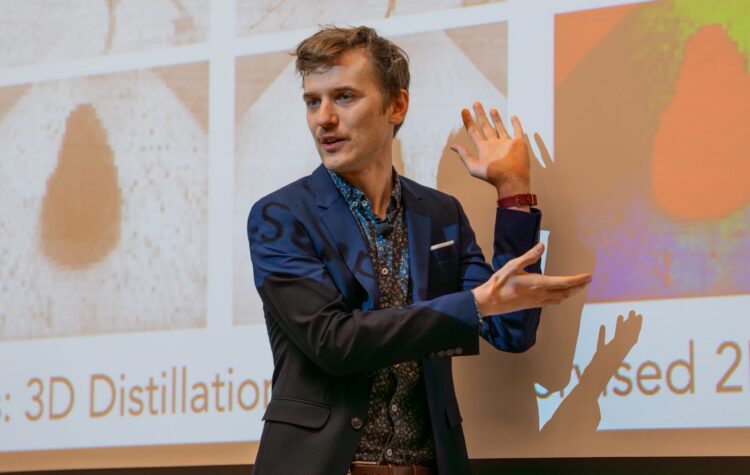
Vincent Sitzmann named Junior Bose Award winner
The award is given annually to an outstanding contributor to education from among the faculty members who are being proposed for promotion to associate professor without tenure.

MIT PhD student and CSAIL researcher Justin Kay describes his work combining AI and computer vision systems to monitor the ecosystems that support our planet.