


MIT named the nation’s top university by U.S. News for 2026-27
The Institute’s undergraduate engineering, computer science, and economics programs are No. 1; its business program is No. 2.
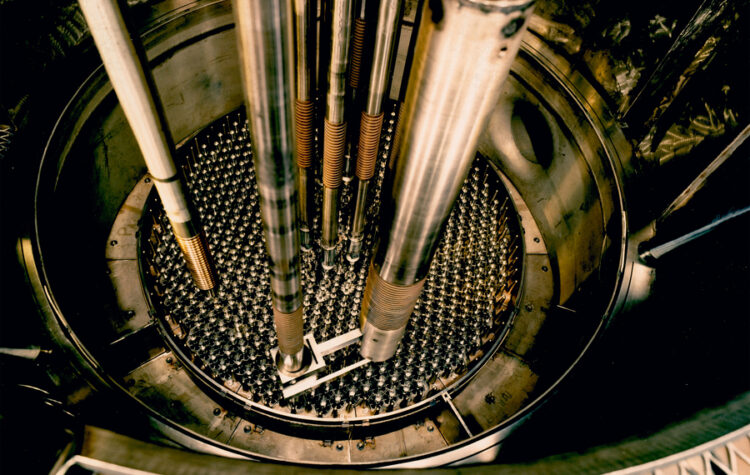
Researchers uncover hidden pore network within nuclear fuel
New understanding of how nuclear fuel breaks down and changes in an operating nuclear reactor could help keep some reactors running longer, will inform the next generation of nuclear reactor fuel systems.

A faster way to estimate AI power consumption
The “EnergAIzer” method generates reliable results in seconds, enabling data center operators to efficiently allocate resources and reduce wasted energy.

3 Questions: How AI could optimize the power grid
While the growing energy demands of AI are worrying, some techniques can also help make power grids cleaner and more efficient.
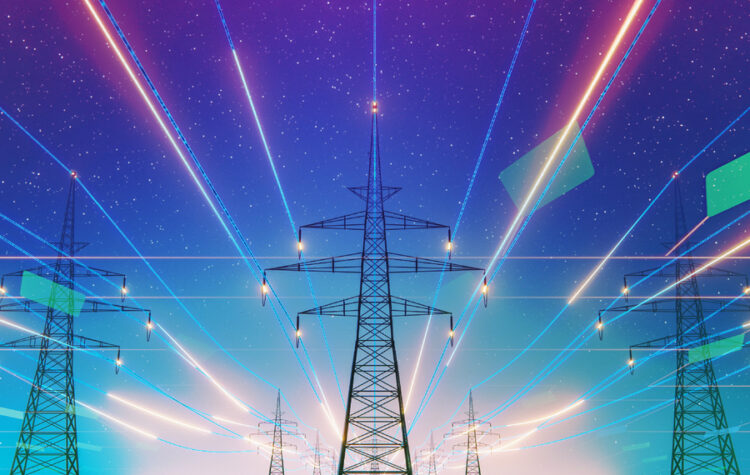
A faster problem-solving tool that guarantees feasibility
The FSNet system, developed at MIT, could help power grid operators rapidly find feasible solutions for optimizing the flow of electricity.

Fighting for the health of the planet with AI
Assistant Professor Priya Donti’s research applies machine learning to optimize renewable energy.

Confronting the AI/energy conundrum
The MIT Energy Initiative’s annual research symposium explores artificial intelligence as both a problem and a solution for the clean energy transition.

All promotions and appointments will take effect July 1, 2025.

Climate change and machine learning — the good, bad, and unknown
Machine learning can drive climate action initiatives, but its widespread use could have negative implications, according to Climate Change AI’s Priya Donti.

How hard is it to prevent recurring blackouts in Puerto Rico?
Using the island as a model, researchers demonstrate the “DyMonDS” framework can improve resiliency to extreme weather and ease the integration of new resources.