

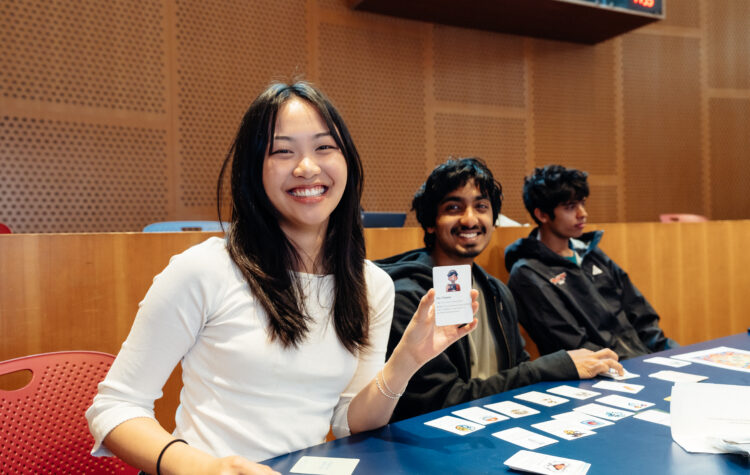
Systems of success
In “Hack Yourself”, students apply computer science strategies to personal growth goals.
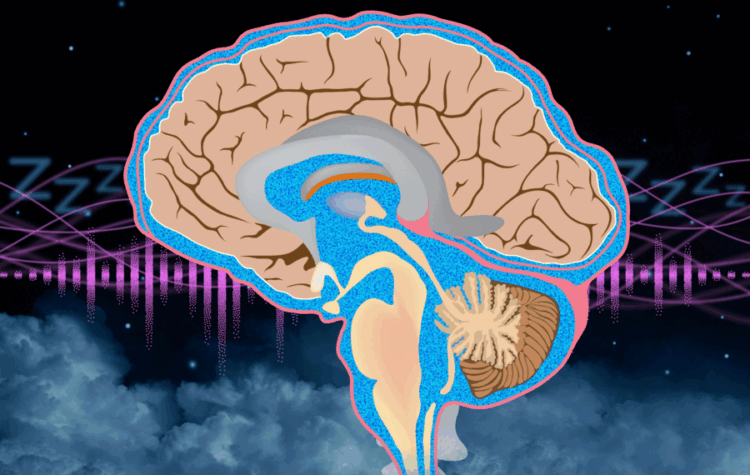
A burst of “pink noise” may lead to more restorative sleep
Delivered at just the right time, this type of auditory stimulus can strengthen the flow of cerebrospinal fluid, which clears debris from the brain and keeps it healthy.
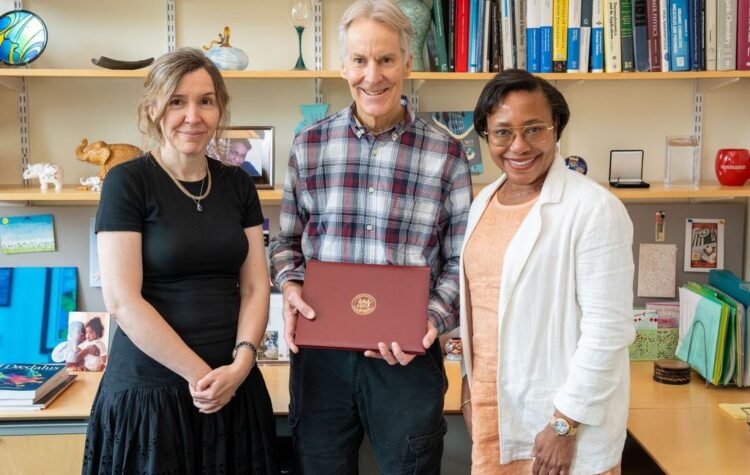
Jeffrey Lang receives 2026 Capers and Marion McDonald Award
The award is given annually to faculty members who have demonstrated a lasting commitment to the personal and professional development of others.
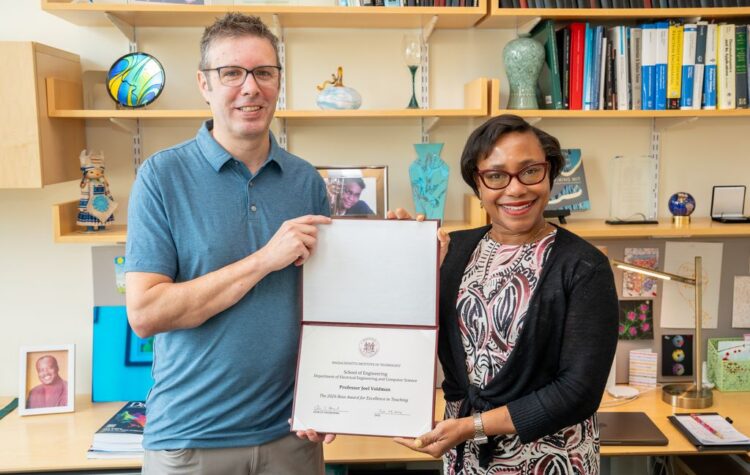
Joel Voldman receives 2026 Bose Award for Excellence in Teaching
Given annually to a faculty member whose contributions to education have been characterized by dedication, care, and creativity, the award stands as a tribute to the late Amar Bose, a professor of EECS and the founder of the Bose Corporation.
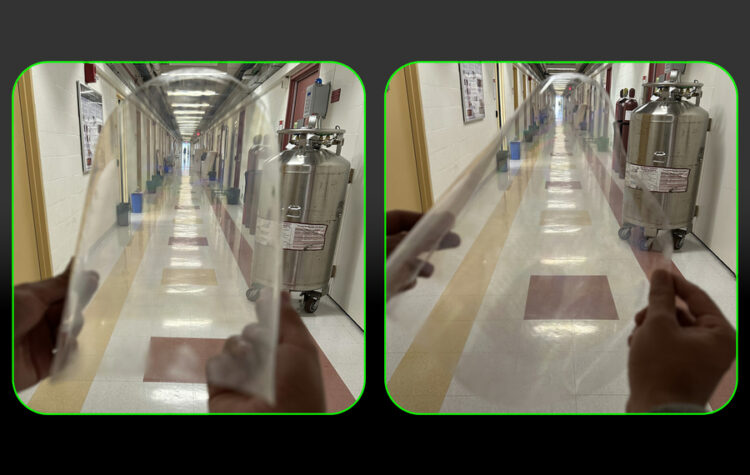
Fabrication platform could enable flexible, transparent next-generation photonic chips
This scalable process produces high-performance chips for applications like discreet wearables or pliable augmented-reality displays.
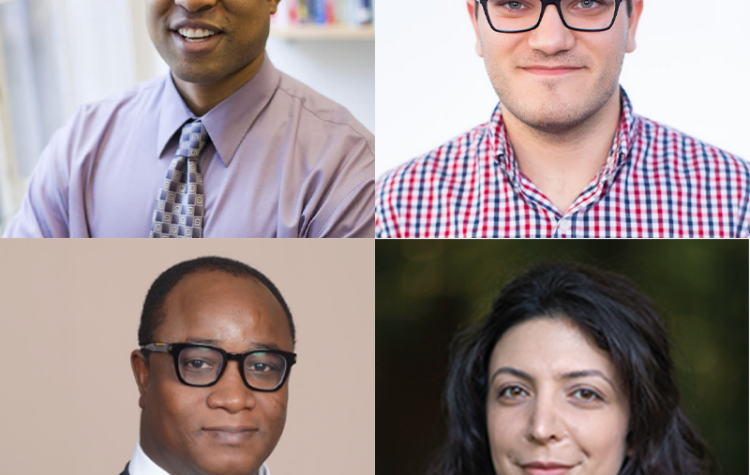
Four faculty members receive 2026 Ruth and Joel Spira Awards
The recipients of the 2026 Ruth and Joel Spira Awards for Excellence in Teaching are Cullen Buie, Gabriele Farina, Ericmoore Jossou, and Farnaz Niroui.
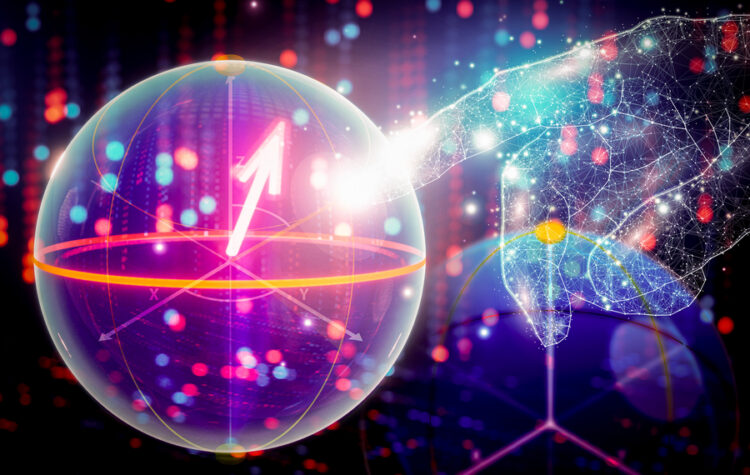
New qubit architecture enables faster, more accurate operations
This advance could be a big step toward developing a scalable, practical quantum computer.
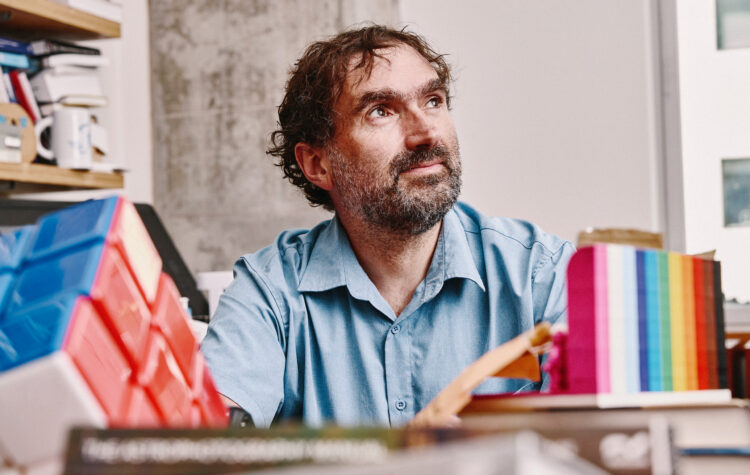
A Colorful, Creative Career by Way of Computer Graphics
Fredo Durand, the Amar Bose Professor of Computing in EECS, explores the limitless possibilities for synthetic images
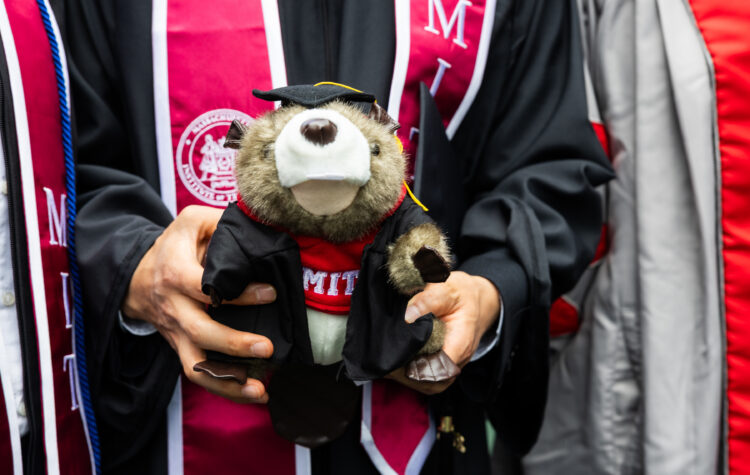
2026-27 Faculty Award Roundup
This ongoing listing of awards and recognitions won by our faculty is added to all year, beginning in September.
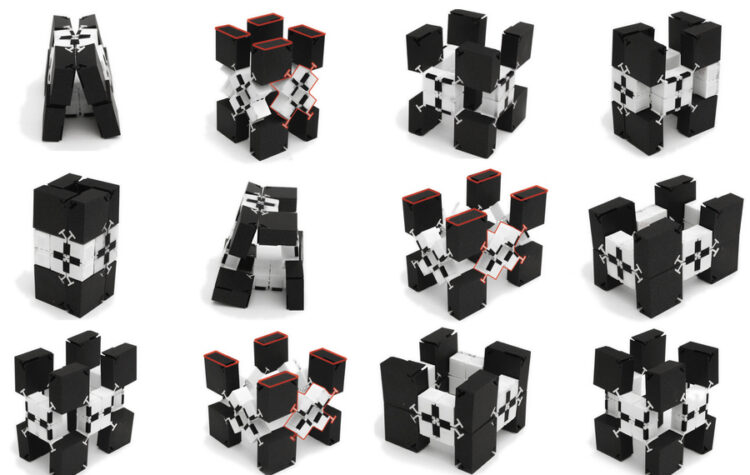
Dubbed “bifur-circuits,” these interactive building blocks could be used to develop reconfigurable robotic grippers or customized assistive devices.