

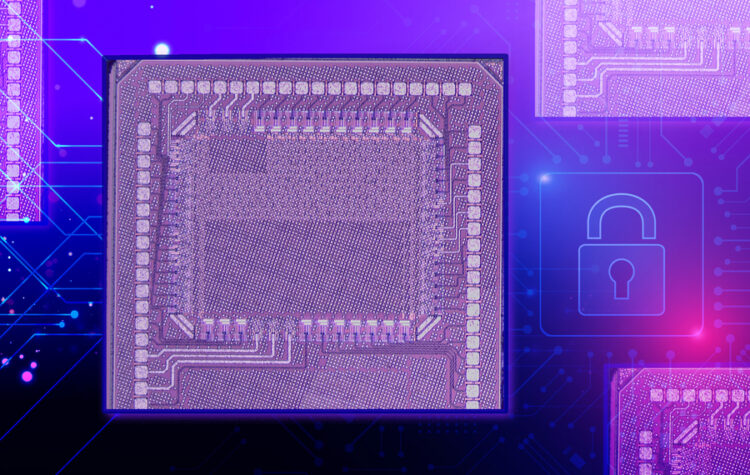
This tiny chip can safeguard user data while enabling efficient computing on a smartphone
Researchers have developed a security solution for power-hungry AI models that offers protection against two common attacks.

Francis Fan Lee, former MIT EECS professor and interdisciplinary speech processing inventor, dies at 97.
The former Electrical Engineering and Computer Science Professor and Research Laboratory of Electronics affiliate died on Jan. 12, 2024. He was approximately 97 years old.
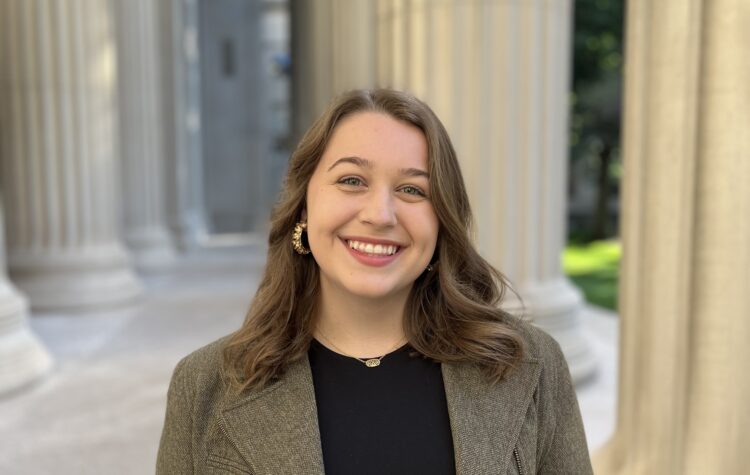
Student Spotlight: Maggie Slowikowski
Today’s interviewee, Maggie Slowikowski, is a sophomore majoring in 6-9: Computation and Cognition. An undergraduate researcher in the Bioelectronics Research Group led by Prof. Polina Anikeeva, Slowikowski took time out of her schedule to answer a few questions about her experience at MIT.
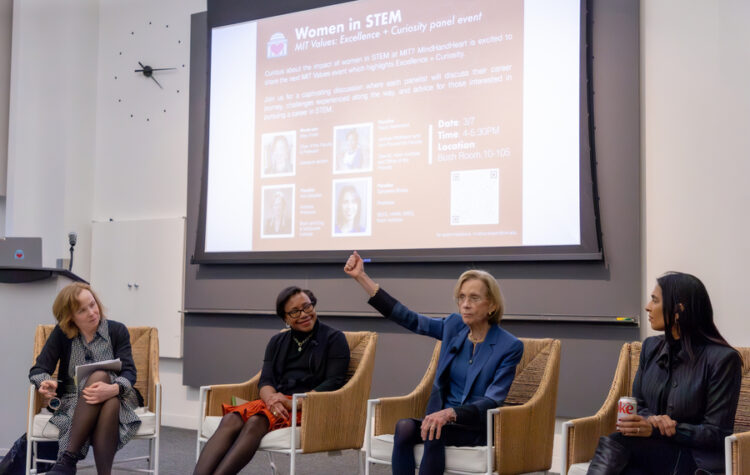
Women in STEM — A celebration of excellence and curiosity
An MIT Values event showcased three women’s career journeys and how they are paving the way for the next generation.
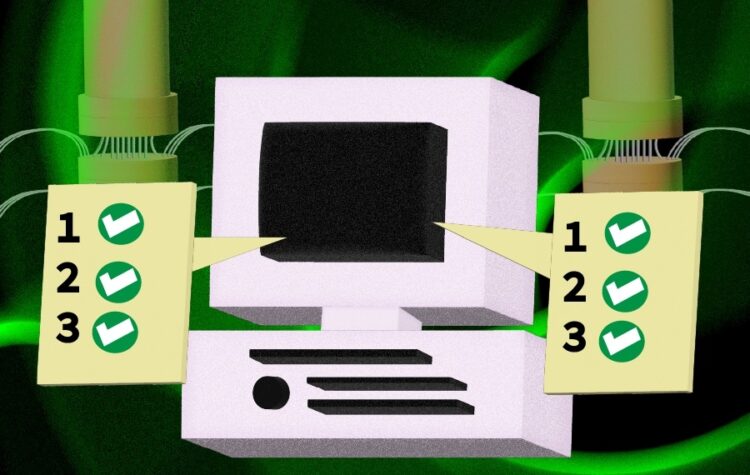
A blueprint for making quantum computers easier to program
A CSAIL study highlights why it is so challenging to program a quantum computer to run a quantum algorithm, and offers a conceptual model for a more user-friendly quantum computer.
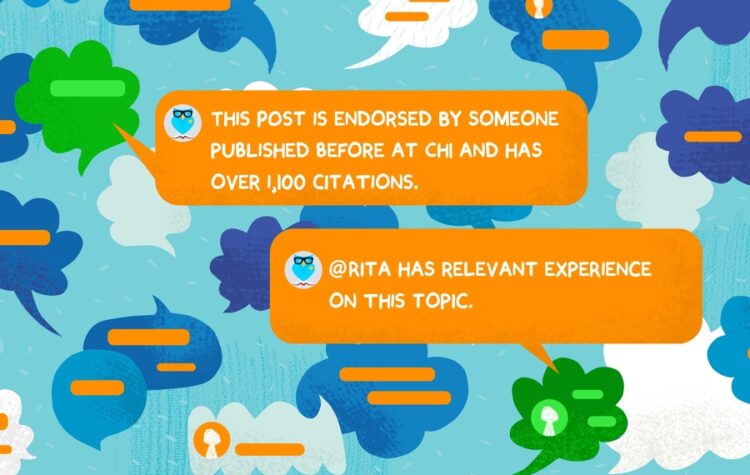
A communication system whose users reveal only a few verified aspects of their identity can empower less confident participants to speak up, researchers report.

Four MIT faculty named 2023 AAAS Fellows
Engelward, Oliver, Rothman, and Vuletić are recognized for their efforts to advance science.

A new technique can be used to predict the actions of human or AI agents who behave suboptimally while working toward unknown goals.
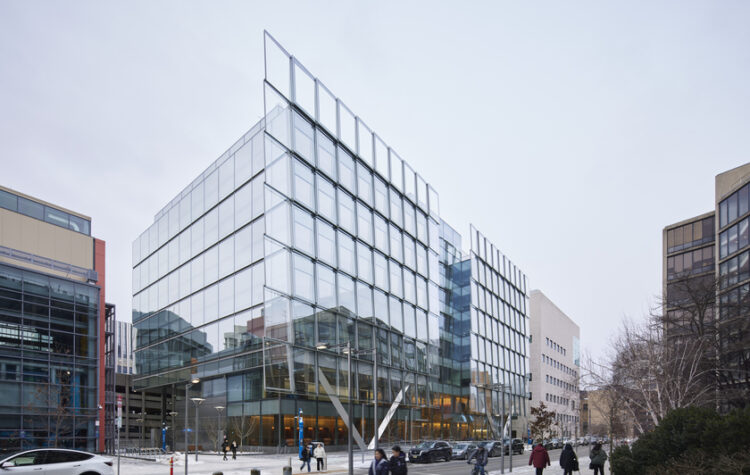
A crossroads for computing at MIT
The MIT Schwarzman College of Computing building will form a new cluster of connectivity across a spectrum of disciplines in computing and artificial intelligence.
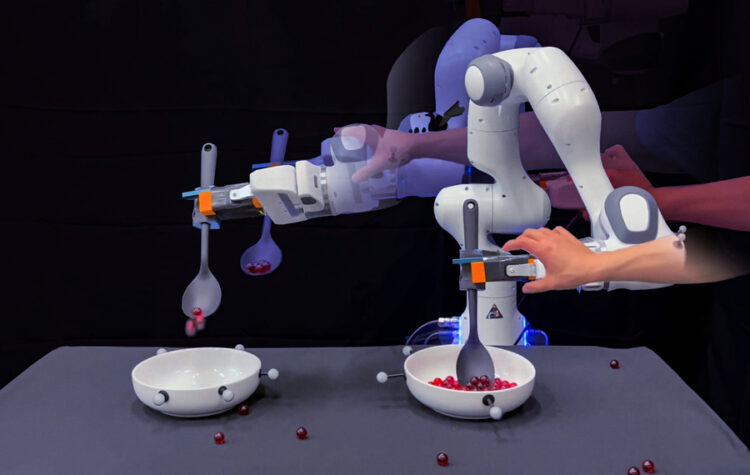
Engineering household robots to have a little common sense
With help from a large language model, MIT engineers enabled robots to self-correct after missteps and carry on with their chores.