

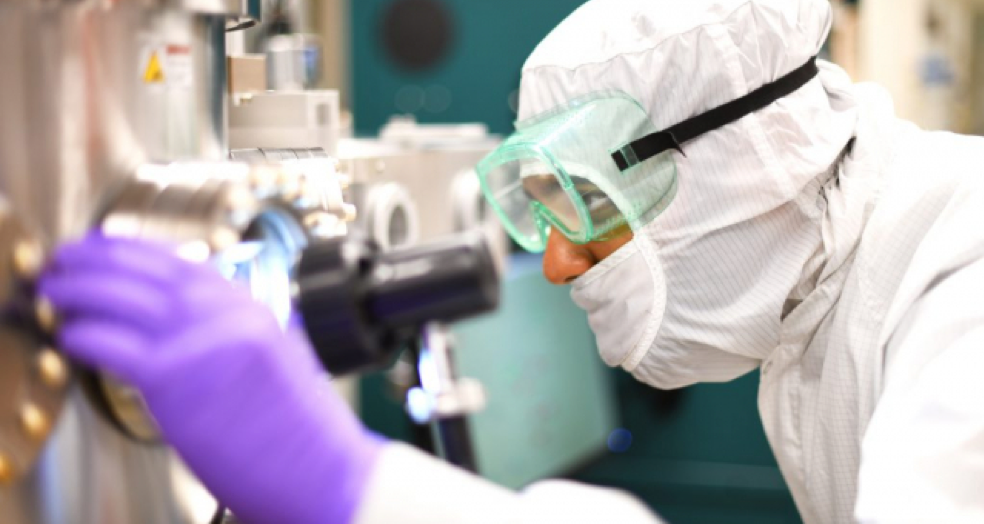
At MIT EECS, our faculty enjoy an intellectually inspiring and nurturing environment where they are empowered to ask creative questions; solve the world’s most pressing problems; and pursue inventive, innovative research.

Electrical Engineering
Electrical engineers design the most sophisticated systems ever built. From computers with billions of transistors to microgrids fed by renewable energy sources, from algorithms that predict disease to solar cells and electric vehicles, electrical engineering touches all parts of modern society. We leverage computational, theoretical, and experimental tools to develop groundbreaking sensors and energy transducers, new physical substrates for computation, and the systems that address the shared challenges facing humanity.

Computer Science
Computer science deals with the theory and practice of algorithms, from idealized mathematical procedures to the computer systems deployed by major tech companies to answer billions of user requests per day. Primary subareas of this field include: theory, which uses rigorous math to test algorithms’ applicability to certain problems; systems, which develops the underlying hardware and software upon which applications can be implemented; and human-computer interaction, which studies how to make computer systems more effectively meet the needs of real people.

Artificial Intelligence + Decision-making
Artificial Intelligence and Decision-making combines intellectual traditions from across computer science and electrical engineering to develop techniques for the analysis and synthesis of systems that interact with an external world via perception, communication, and action; while also learning, making decisions and adapting to a changing environment.
The research that drives EECS forward is based out of four major labs. Most EECS faculty members are affiliated with one of these labs, where they explore challenging questions and develop innovative technological solutions every day.
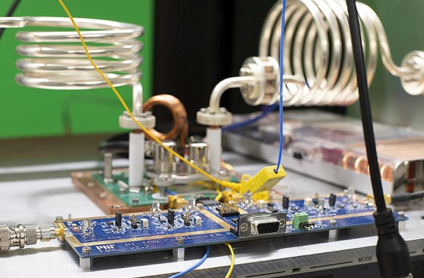
Labs
Nearly 130 EECS faculty members find their research homes in four major affiliate labs:
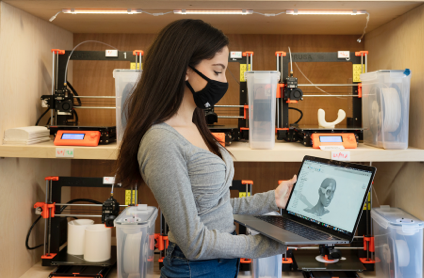
Explore all research areas
Our boundary-pushing research is often highly interdisciplinary, but it can be roughly broken down into some useful areas of inquiry. Explore them here.
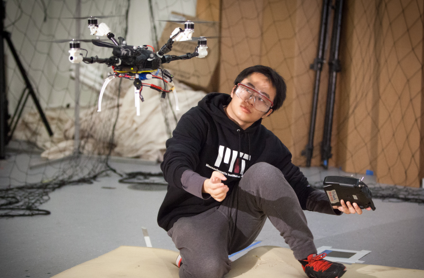
UROP and SuperUROP
Students at MIT can take advantage of many opportunities to participate in research side-by-side with our world-class faculty–even on the undergraduate level.
MIT Undergraduate Research Opportunities Program (UROP)
Advanced Undergraduate Research Opportunities Program (SuperUROP)